







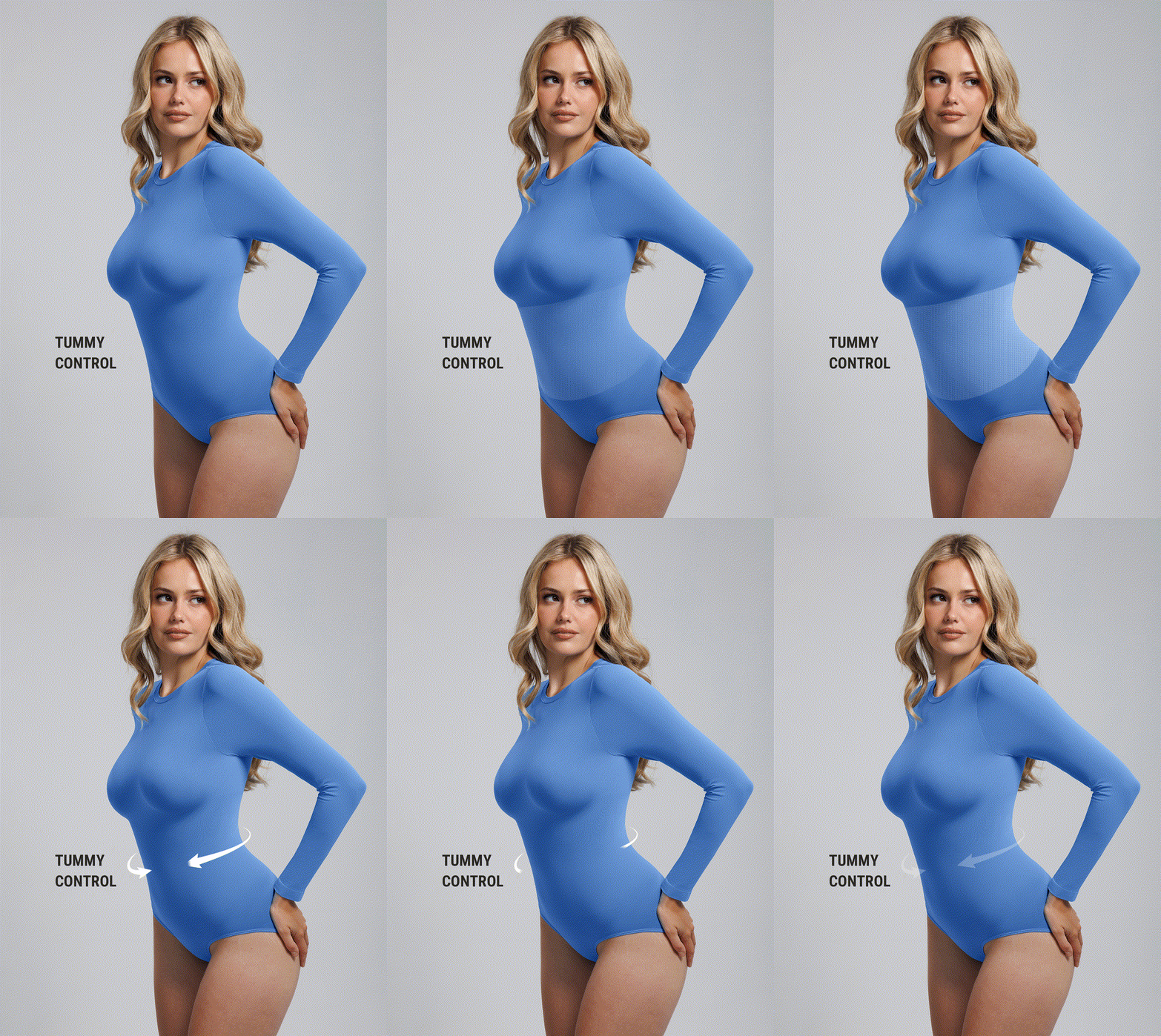


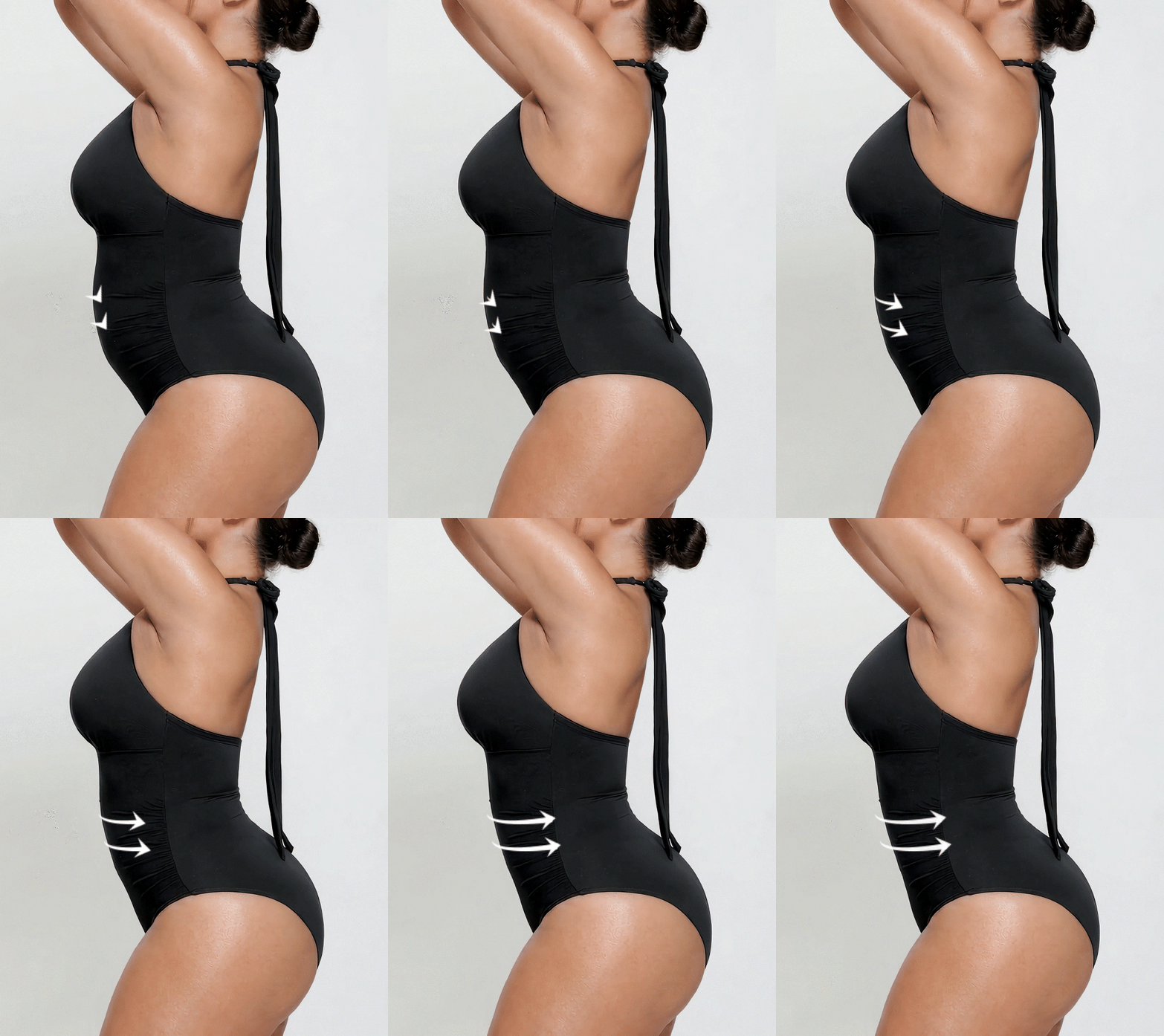
How to Choose a Swimsuit With Tummy Control
Ever tried on a swimsuit that looked great in the mirror, then felt too tight the second you sat down? That’s the tricky part of shopping for tummy control swimwear. Two suits can look almost identical online and feel completely different once you put them on. A few clues in the lining, cut, and size chart can help you narrow down your options. Here’s what to look for before you buy and how to tell if the fit works once you start moving.

How Tummy Control Swimwear Works
Two swimsuits can look similar online and feel quite different once you put them on. Check what’s sewn inside and where it sits. Our guide to how tummy control swimsuits work takes a closer look at the lining and fabric. Below, we’ll use those details to help you choose the feel you want.
Ruching for a Smoother Look
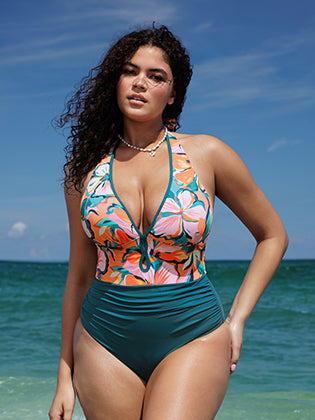
Ruching is fabric gathered into soft folds. It changes how the outer fabric falls across your belly, which can make the outline look smoother. If that’s the effect you want, check where the gathers fall in the front and side photos. If you also want a held-in feel, look for a separate shaping liner in the product details.
Shaping Panels for Targeted Support
A shaping panel is an extra layer sewn into part of the suit. You might see it listed as power mesh or a tummy control liner. Check where it starts and ends. A panel across the waist may feel different from one that reaches down over the lower belly. Look for an inside photo or a description that names the area it covers.
Double Layers for a Firmer Fit
Two layers of firm stretch fabric can spread compression across more of your midsection. How firm that feels depends on the fabric and cut. If the listing only says “fully lined,” look for more detail about the lining. When you try the suit on, sit and take a full breath to see whether that level of compression works for you.
Pick a Style for the Coverage You Want
Leaning toward a one-piece? Think about the neckline and leg coverage you like, too. Our guide to choosing a one-piece swimsuit walks through those options, so you can narrow down the cut before comparing sizes.
| Style | Why You Might Choose It | What to Check |
|---|---|---|
| One-Piece | You want continuous coverage from your bust through your lower belly. | Check torso length and see how the neckline and leg openings sit when you reach. |
| Tankini | You want a longer top with the flexibility of separate pieces. | Raise your arms to see how far the top lifts. Check where it meets the bottoms when you sit. |
| High-Waisted Bikini | You want more lower-belly coverage and the option to choose your top separately. | Check where the waistband lands when standing and whether it rolls when you sit. |
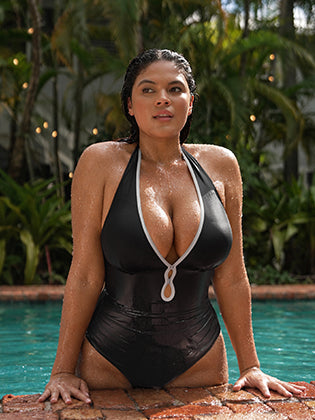
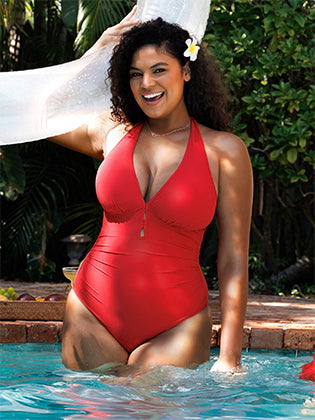
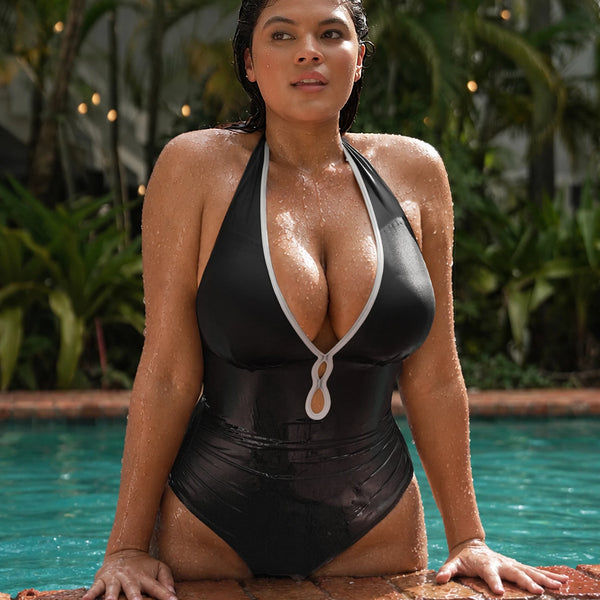
If you like a V-neck with continuous coverage through the midsection, try the Feelingirl Halter One-Piece . With a halter cut, check how the neckline sits and whether you feel pulling at the back of your neck when you move.
Check the Fit Before You Keep It

Match Your Measurements to the Size Chart
Use a soft tape to measure around the fullest part of your bust, your natural waist, and the fullest part of your hips. Keep the tape level and comfortably close to your body. Compare all three numbers with the chart for that specific suit. If your measurements span sizes, look at which part of the suit has the least room to adjust. A two-piece sold as separates can help if the top and bottom need different sizes.
Check the Torso Length in a One-Piece
If the brand lists a torso measurement, follow its measuring instructions. During try-on, notice whether the shoulders and crotch pull at the same time or whether the cups sit too low even after you adjust the straps. Those clues can point to a torso length mismatch. Compare a different torso length where available, or try a two-piece if the bust, waist, and hips already fit.
Sit, Bend, and Reach to Check for Pulling
Sit down and take a full breath. Bend forward to check the neckline and raise both arms to see whether the suit shifts. Check for a waist edge that rolls, straps that dig in, or leg openings that pull. If the suit stays in place but feels too firm at the belly, compare a lighter shaping option. If several areas feel tight, recheck your measurements and try another size.
Frequently Asked Questions
How Tight Should a Tummy Control Swimsuit Feel?
It should feel snug enough to stay in place while you move. Sit for a minute and take a few normal breaths. If the suit digs in or limits your movement, try a lighter shaping layer or another size.
Should I Size Up if I’m Between Sizes?
Start with the guidance for that specific suit. If you can try both sizes, compare them while seated and reaching overhead. Choose the one that stays put and feels comfortable through the bust, belly, and hips.
What if I Need Different Sizes on Top and Bottom?
Look for a tankini or bikini sold as separates. Fit the top for coverage and support, then pick the bottom based on your waist, hips, and preferred rise. Check whether a matching set allows separate sizes before ordering.
Why Do My High-Waisted Swim Bottoms Roll Down?
The waistband may be landing where your torso folds when you sit. It can also shift if the waist fit is off. Try a different rise or a wider waistband and compare them after sitting and standing a few times.
Can I Swim Laps in Tummy Control Swimwear?
Yes, if the suit stays secure and lets you reach freely through your stroke. Try overhead reaches and a few slow stroke motions. If you swim in a pool often, also look for a chlorine-resistance claim on the product page.
How Do I Keep My Swimsuit From Losing Its Shape?
Follow the care label. Rinse out pool or salt water with cool fresh water after wear. Press out extra water gently, then dry the suit flat away from direct heat. Avoid wringing it or leaving it balled up in a wet bag.
Choose the Coverage You Want and a Fit You Can Move In
A swimsuit can look great in the mirror and still feel wrong once you sit down. Ruching, shaping panels, and double layers each give you something different, so start with the look and feel you prefer. Then choose your coverage and use your measurements to find a starting size.
Give yourself a few minutes to move around before you decide. If the suit pulls at your shoulders, digs into your belly, or rolls at the waist, use those clues to try another size or cut. When you can sit comfortably, reach for your towel, and move without stopping to adjust it, you’re closer to finding a suit you’ll enjoy wearing.