












Swimwear vs Swimsuit: What’s the Difference?
If you’ve ever found yourself browsing an online store and clicking between tabs labeled "Swimwear" and "Swimsuits" only to find similar items, you aren't alone. It feels a bit like the "trousers vs. pants" debate. The short answer is this: swimwear is the broader category, while swimsuit usually refers to a specific piece you wear in the water. Knowing that difference makes it much easier to shop, compare styles, and choose something that actually fits your plans.
This guide will break down the nuances of scope, terminology, and how to pick the perfect piece for your next trip to the water.
Swimwear vs. Swimsuit: At a Glance
|
Feature |
Swimwear |
Swimsuit |
|
Definition |
An all-encompassing "umbrella" category. |
A specific garment worn for swimming. |
|
Inclusions |
Suits, cover-ups, rash guards, goggles, caps. |
One-pieces, bikinis, swim trunks. |
|
Context |
Retail, industry, and professional sports. |
Casual conversation and everyday use. |
|
Gender Nuance |
Usually gender-neutral. |
Often leans toward women’s one-pieces or bikinis. |
What Is Swimwear?
In the world of fashion and retail, swimwear is the "umbrella" term. It refers to the entire category of clothing designed specifically for water-based activities or environments like beaches and pools. Think of it like the term "footwear." It includes everything from flip-flops to hiking boots. Similarly, swimwear includes the suit itself, but also the specialized accessories and garments that go with it.
Common Types Of Swimwear
Because the category is so broad, swimwear includes items that you might not actually wear while swimming but rather while you are at the beach or pool.
- Bikinis and two-piece sets
- One-piece swimsuits
- Tankinis
- Board shorts or swim trunks
- Rash guards or swim tops
- Cover-ups, sarongs, and beach layers
You can see this broad category structure on retail sites that place bikinis, one-pieces, and cover-ups under the same swimwear heading.
What Is A Swimsuit?
A swimsuit (also commonly called a bathing suit) refers to the specific, functional piece of clothing you wear to go into the water. Its primary purpose is to be lightweight, fast-drying, and aerodynamic (to a degree) in the water. While "swimwear" describes a collection of items, "swimsuit" describes the individual unit.

Most Popular Swimsuit Styles
When you are looking for a swimsuit, you are likely looking for one of these three primary categories:
- The One-Piece: A single garment that covers the torso; popular for both competitive swimming and fashion.
- The Two-Piece (Bikini/Tankini): Separate top and bottom pieces.
- Swim Trunks: The standard choice for men, typically featuring an elastic waistband and mesh lining.
Swimwear vs. Swimsuit: Key Differences
The Umbrella Category vs. The Specific Garment
The biggest difference is scope. If you are a designer, you are in the "swimwear industry." If you are a person getting ready for a vacation, you are packing your "swimsuit." One describes a market; the other describes an object.
Industry Terminology vs. Everyday Vernacular
In the fashion and retail world, swimwear is the more precise category term because it covers more product types. In everyday speech, people often default to swimsuit or bathing suit, especially when talking casually. There can also be a slight gender nuance in usage, since “swimsuit” is often associated with women’s one-pieces, while men’s items are more often called trunks, board shorts, or swim shorts.
Navigating Retailers And Online Stores
Retailers usually prove the difference more clearly than dictionaries do. Many sites use swimwear as the top-level category, then break it into smaller sections such as bikinis, one-pieces, cover-ups, rash vests, or sets. That tells you “swimwear” is the broad bucket, while “swimsuit” is one part of it.
So when you shop online, this is a good rule:
- Browse swimwear when you want to see all options
- Browse swimsuits when you already know you want a one-piece or similar suit style
Pick The Right Piece For Your Needs
Matching The Gear To Your Activity
Before you buy, consider what you'll actually be doing. A fashionable bikini is great for photos, but a nightmare for a high-intensity water aerobics class.
- Laps/Training: Look for "Swimwear" categorized as performance or athletic. You need a swimsuit with high chlorine resistance (PBT fabric).
- Surfing/Bodyboarding: You need a rash guard or a sturdy one-piece that won't shift when hit by a wave.
- Sunbathing: Focus on "Swimsuits" with adjustable straps to minimize tan lines.
Evaluating Coverage And Support Needs
Next, think about how much coverage and support you want. This matters just as much as style. Not all suits are created equal. Use this quick checklist to find your fit:
- Support: Does it have an underwire, a shelf bra, or removable cups?
- Lining: Is the suit double-lined? (Crucial for white or light-colored fabrics to avoid becoming sheer when wet).
- Adjustability: Look for "tie-back" or "slider" straps if you have a long torso or a larger bust.
Finding Your Personal Aesthetic
This is where the word choice matters less than the result. Whether you call it swimwear or a swimsuit, the right pick should feel comfortable, flattering, and easy to wear. In 2026, the trend is moving toward versatile swimwear. People want pieces that can transition from the water to the street.
The Perfect All-In-One Choice
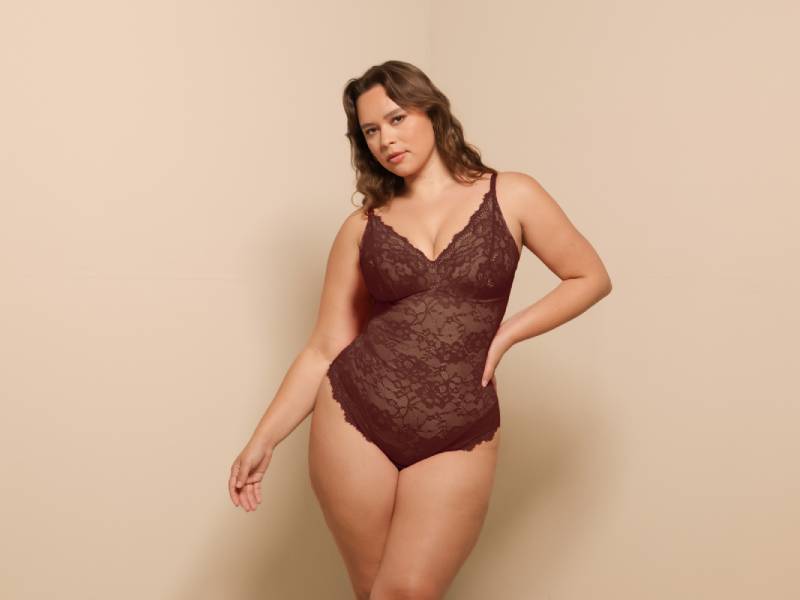
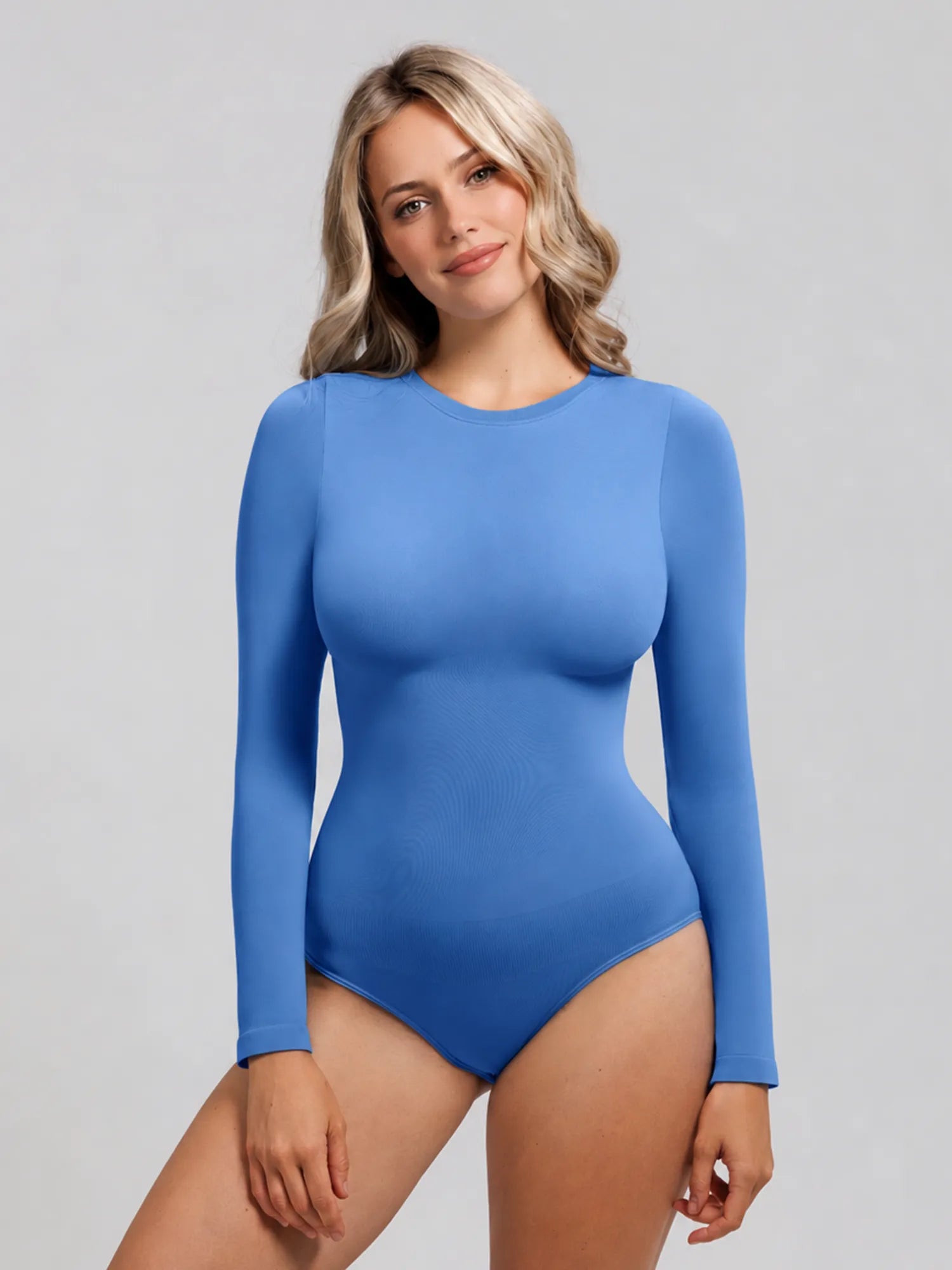
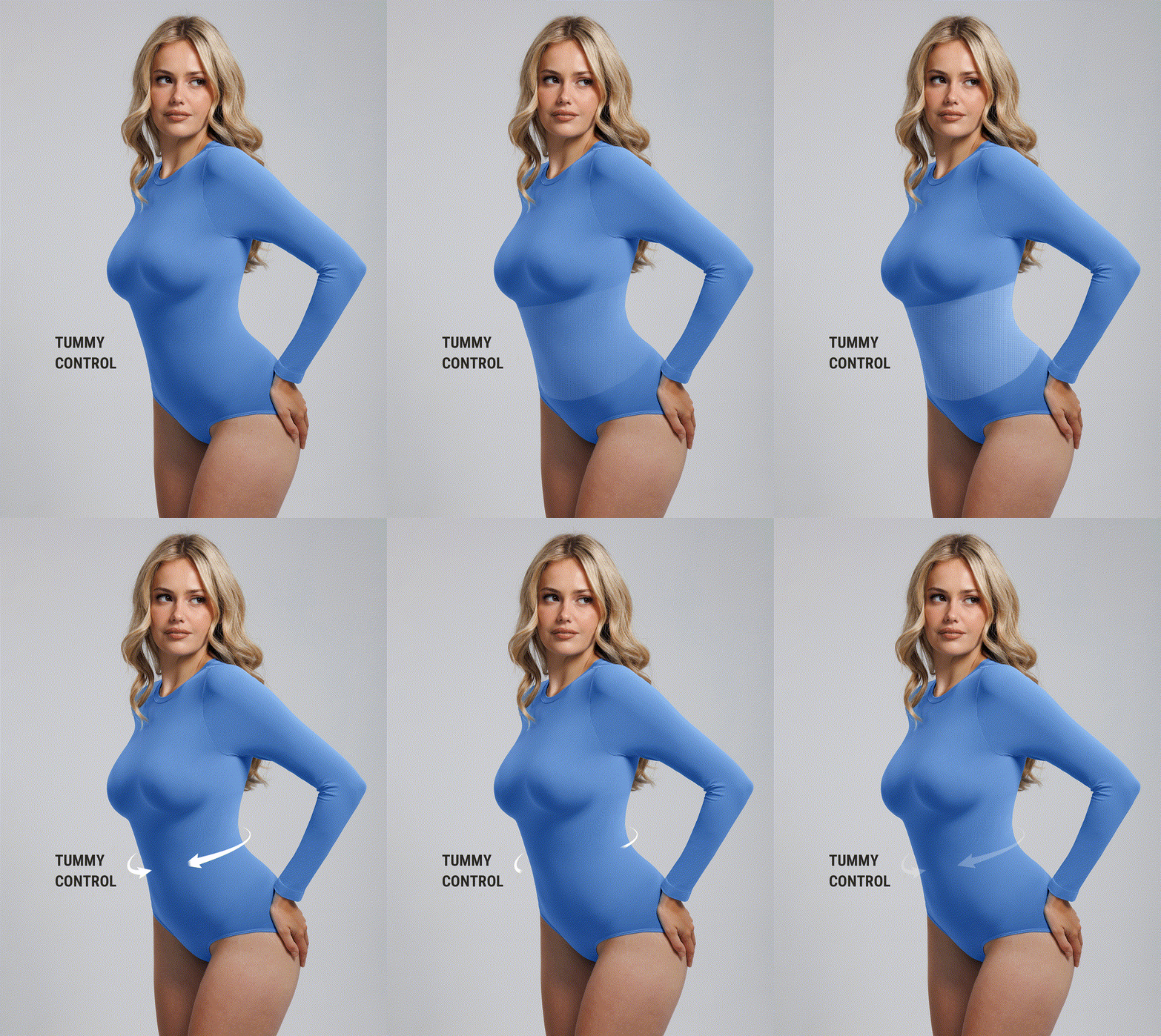
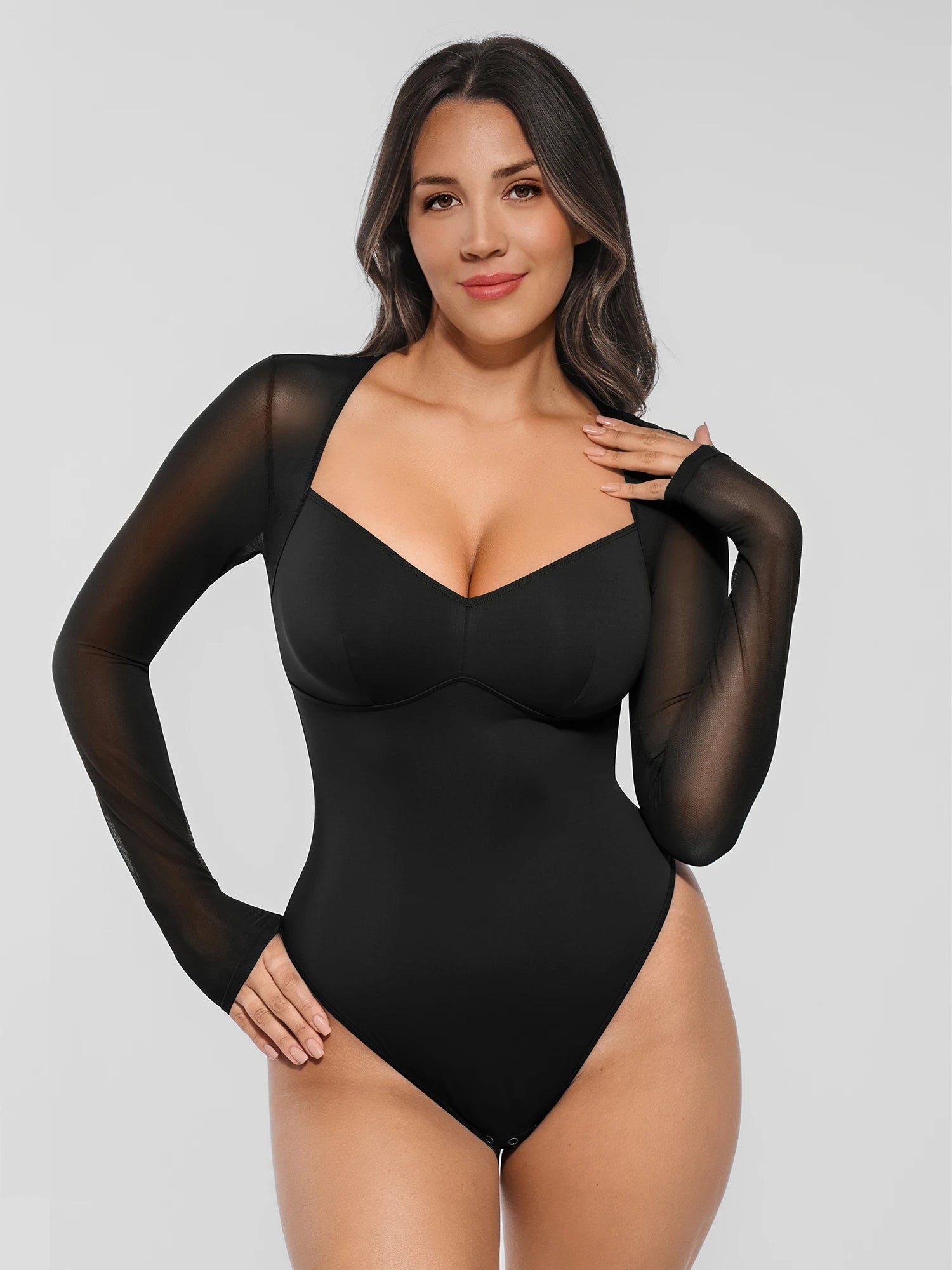
If you want a suit that hits all these marks, especially that "swim-to-street" versatility, the Feelingirl Deep V Metal Ring Ruched Sculpting Swimsuit is a standout example. It’s designed with a chic metal ring detail and a flattering deep V-neck that makes it look more like a high-end bodysuit than a basic swimsuit.
What makes it a practical pick is the built-in sculpting technology; the ruched fabric provides the tummy control and support mentioned earlier, while the adjustable straps ensure a perfect fit for different body types. Whether you’re actually swimming or just pairing it with denim shorts for a quick lunch, it’s the kind of versatile piece that works twice as hard in your vacation wardrobe.

Frequently Asked Questions
Are bathing suits and swimsuits the same?
Yes. "Bathing suit" and "swimsuit" are synonyms. "Bathing suit" is slightly more old-fashioned or regional (common in the Northeast and Midwest), while "swimsuit" is the standard modern term used nationwide.
What is the trend in swimsuits in 2026?
The 2026 season is all about textured fabrics and "earth-tech" aesthetics. Think crinkle fabrics, 90s-style high-cut legs, and "smart" swimwear that changes color slightly to indicate UV exposure levels. Sustainability isn't just a buzzword anymore; it's the baseline.
Are bikinis called swimsuits or just swimwear?
A bikini is a type of swimsuit. It falls under the swimwear category, but if someone asks what you're wearing to the pool, saying "a swimsuit" is perfectly accurate.
What is a full-body swimsuit called?
Depending on the context, it’s either a wetsuit (for warmth/surfing) or a stinger suit/dive skin (for protection against jellyfish and the sun). In competitive swimming, they are often called technical suits or kneeskins.
Conclusion
The easiest way to remember the difference is this: swimwear is the category, swimsuit is the garment. Once you look at it that way, the wording becomes much less confusing. Use swimwear when you mean the full range of beach and pool clothing, and use swimsuit when you mean a specific suit, especially a one-piece. That small distinction can help you shop faster, read product categories more accurately, and choose the right style with more confidence.