






Bademode vs. Badeanzug: Was ist der Unterschied?
Wenn Sie schon einmal in einem Online-Shop gestöbert und zwischen den Kategorien „Bademode“ und „Badeanzüge“ hin- und hergeklickt haben, nur um festzustellen, dass es sich um ähnliche Artikel handelt, sind Sie nicht allein. Es erinnert ein wenig an die Diskussion um „Hosen oder Hosen“. Kurz gesagt: Bademode ist die Oberkategorie, während Badeanzug üblicherweise ein spezielles Kleidungsstück bezeichnet, das man im Wasser trägt. Dieses Wissen erleichtert das Einkaufen, den Vergleich von Stilen und die Auswahl des passenden Kleidungsstücks für Ihre Bedürfnisse ungemein.
Dieser Leitfaden erläutert die Feinheiten von Umfang, Terminologie und wie Sie das perfekte Ausrüstungsteil für Ihren nächsten Ausflug ans Wasser auswählen.
Bademode vs. Badeanzug: Auf einen Blick
|
Besonderheit |
Bademode |
Badeanzug |
|
Definition |
Eine allumfassende „Dachkategorie“. |
Ein spezielles Kleidungsstück zum Schwimmen. |
|
Einschlüsse |
Anzüge, Strandkleider, Rashguards, Schutzbrillen, Kappen. |
Badeanzüge, Bikinis, Badehosen. |
|
Kontext |
Einzelhandel, Industrie und Profisport. |
Ungezwungene Gespräche und alltäglicher Gebrauch. |
|
Geschlechtsnuancen |
Üblicherweise geschlechtsneutral. |
Bevorzugt häufig Damen-Badeanzüge oder Bikinis. |
Was ist Bademode?
In der Welt der Mode und des Einzelhandels, Bademode „Badebekleidung“ ist der Oberbegriff für alle Kleidungsstücke, die speziell für Aktivitäten im Wasser oder Umgebungen wie Strände und Schwimmbäder entwickelt wurden. Man kann es sich wie den Begriff „Schuhe“ vorstellen: Er umfasst alles von Flip-Flops bis zu Wanderschuhen. Ähnlich verhält es sich mit Badebekleidung: Sie umfasst den Badeanzug oder die Badebekleidung selbst, aber auch die dazugehörigen Accessoires und Kleidungsstücke.
Gängige Arten von Badebekleidung
Da die Kategorie so breit gefasst ist, umfasst Bademode auch Kleidungsstücke, die man möglicherweise gar nicht trägt. während schwimmen, sondern eher am Strand oder im Pool.
- Bikinis und zweiteilige Sets
- Einteilige Badeanzüge
- Tankinis
- Badeshorts oder Badehosen
- Rashguards oder Badeoberteile
- Strandkleider, Sarongs und mehrere Lagen Strandkleidung
Diese grobe Kategorienstruktur kann man auf Einzelhandelsseiten beobachten, wo Bikinis, Badeanzüge und Strandkleider unter der gleichen Kategorie Bademode zusammengefasst werden.
Was ist ein Badeanzug?
A Badeanzug Badebekleidung (auch Badeanzug genannt) bezeichnet das spezielle, funktionelle Kleidungsstück, das man im Wasser trägt. Ihr Hauptzweck ist es, leicht, schnelltrocknend und (bis zu einem gewissen Grad) aerodynamisch im Wasser zu sein. Während „Bademode“ eine Kollektion von Kleidungsstücken beschreibt, bezeichnet „Badeanzug“ das einzelne Kleidungsstück.

Die beliebtesten Badeanzugmodelle
Wenn Sie nach einem Badeanzug suchen, suchen Sie wahrscheinlich nach einem dieser drei Hauptkategorien:
- Der Einteiler: Ein einzelnes Kleidungsstück, das den Oberkörper bedeckt; beliebt sowohl beim Wettkampfschwimmen als auch in der Mode.
- Der Zweiteiler (Bikini/Tankini): Trennen Sie Ober- und Unterteil.
- Badehosen: Die Standardwahl für Herren, typischerweise mit elastischem Bund und Netzfutter.
Bademode vs. Badeanzug: Die wichtigsten Unterschiede
Die Regenschirmkategorie vs. das spezifische Kleidungsstück
Der größte Unterschied ist UmfangWenn Sie Designer sind, arbeiten Sie in der „Bademodenbranche“. Wenn Sie sich als Privatperson auf den Urlaub vorbereiten, packen Sie Ihren „Badeanzug“. Das eine beschreibt einen Markt, das andere ein Produkt.
Fachterminologie vs. Alltagssprache
In der Mode- und Einzelhandelswelt ist Bademode die präzisere Kategoriebezeichnung, da sie mehr Produktarten umfasst. Im alltäglichen Sprachgebrauch, insbesondere in lockeren Gesprächen, werden oft einfach Badeanzüge oder Badehosen verwendet. Es gibt auch eine leichte geschlechtsspezifische Nuance: „Badeanzug“ wird häufig mit einteiligen Damenbadeanzügen assoziiert, während Herrenbekleidung eher als Badehose, Boardshorts oder Badeshorts bezeichnet wird.
Sich im Einzelhandel und in Online-Shops zurechtfinden
Einzelhändler verdeutlichen den Unterschied meist besser als Wörterbücher. Viele Websites verwenden Bademode als Hauptkategorie und unterteilen diese dann in kleinere Kategorien wie Bikinis, Badeanzüge, Strandkleider, Rashguards oder Sets. Das zeigt, dass „Bademode“ der Oberbegriff ist, während „Badeanzug“ nur ein Teil davon ist.
Wenn Sie online einkaufen, ist dies eine gute Regel:
- Durchsuchen Bademode wenn Sie alle Optionen sehen möchten
- Durchsuchen Badeanzüge wenn Sie bereits wissen, dass Sie einen Einteiler oder einen ähnlichen Anzugstil möchten
Wählen Sie das passende Produkt für Ihre Bedürfnisse.
Die richtige Ausrüstung für Ihre Aktivität
Überlegen Sie sich vor dem Kauf, wofür Sie den Bikini tatsächlich verwenden werden. Ein modischer Bikini ist zwar toll für Fotos, aber ein Albtraum für einen intensiven Wassergymnastikkurs.
- Runden/Training: Suchen Sie nach „Bademode“ in der Kategorie „Bademode“. Leistung oder sportlichSie benötigen einen Badeanzug mit hoher Chlorbeständigkeit (PBT-Gewebe).
- Surfen/Bodyboarden: Du brauchst ein Rashguard oder einen robusten Einteiler, der sich bei Wellengang nicht verschiebt.
- Sonnenbaden: Achten Sie auf Badeanzüge mit verstellbaren Trägern, um unschöne Bräunungsstreifen zu vermeiden.
Bewertung des Versicherungsschutzes und des Unterstützungsbedarfs
Überlegen Sie sich als Nächstes, wie viel Bedeckung und Halt Sie wünschen. Das ist genauso wichtig wie der Stil. Nicht alle Anzüge sind gleich. Nutzen Sie diese kurze Checkliste, um die richtige Passform zu finden:
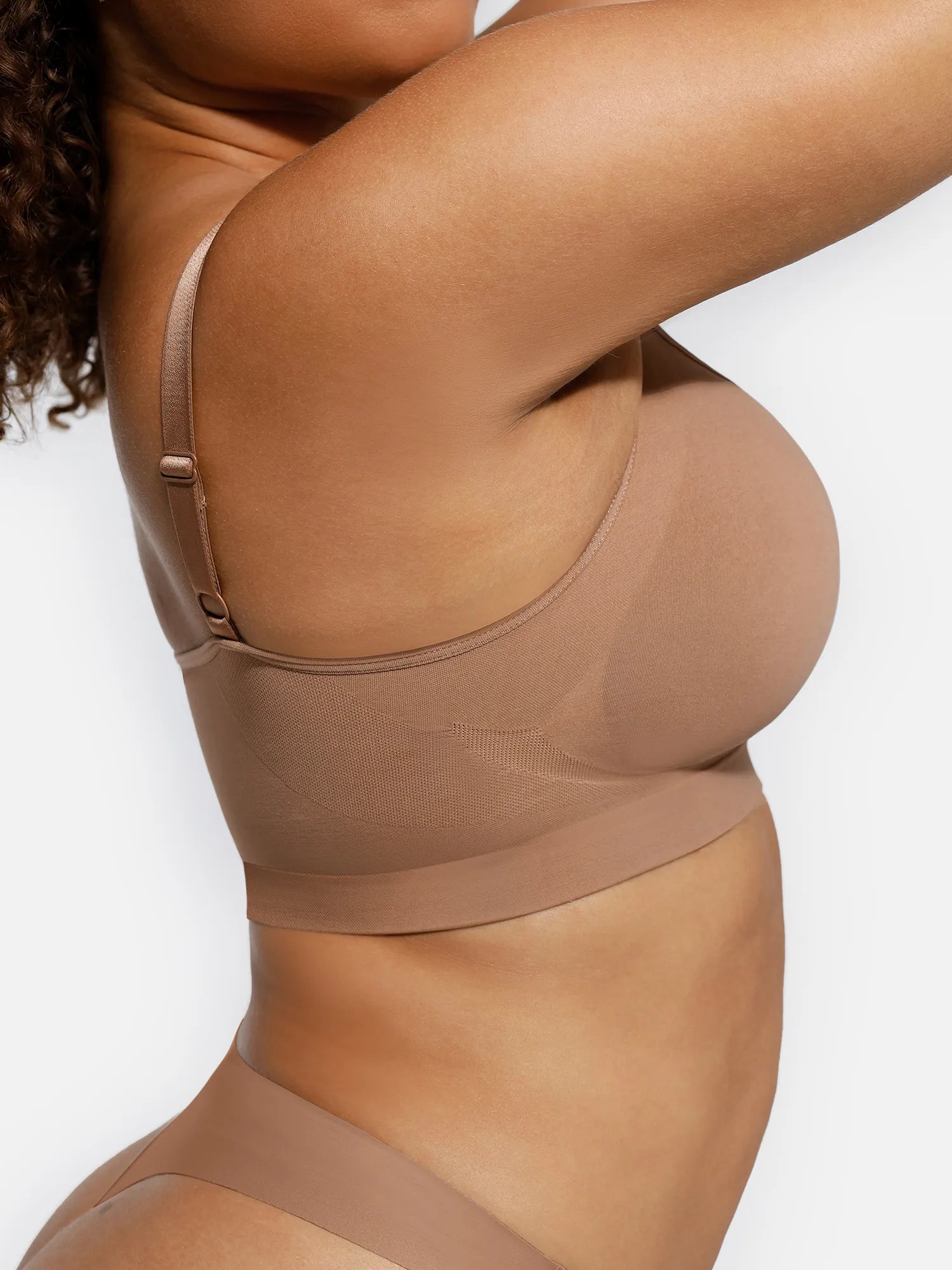
- Unterstützung: Hat der BH einen Bügel, einen integrierten BH oder herausnehmbare Cups?
- Beschichtung: Ist der Anzug doppelt gefüttert? (Wichtig bei weißen oder hellen Stoffen, damit sie im nassen Zustand nicht durchsichtig werden).
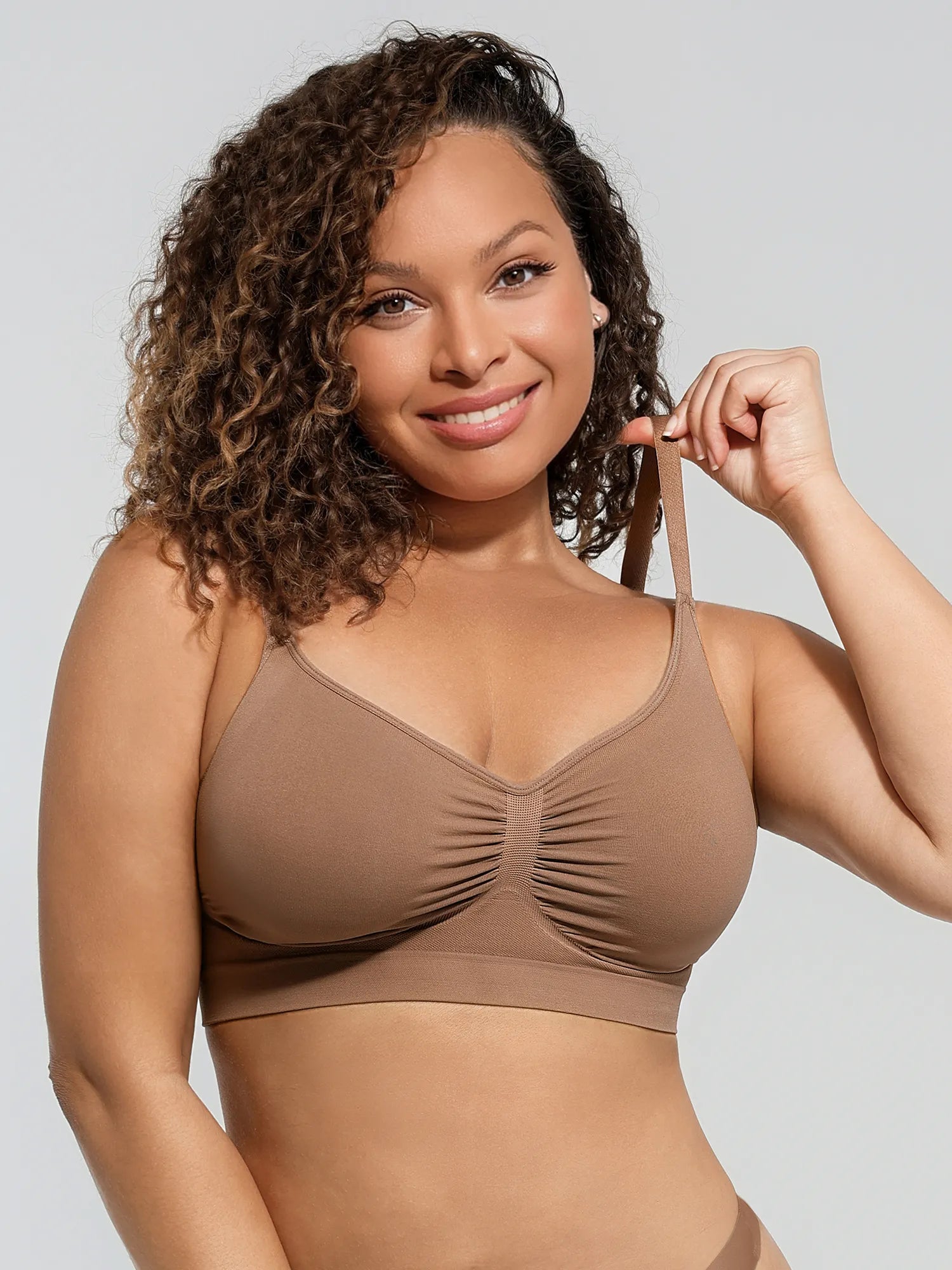
- Verstellbarkeit: Bei einem langen Oberkörper oder einer größeren Oberweite sollten Sie nach Trägern mit Bindebändern oder Schiebeverschlüssen Ausschau halten.
Die eigene Ästhetik finden
Hier kommt es weniger auf die Wortwahl als auf das Ergebnis an. Ob man es nun Bademode oder Badeanzug nennt – die richtige Wahl sollte sich bequem anfühlen, schmeichelhaft aussehen und einfach zu tragen sein. Der Trend geht 2026 hin zu vielseitiger Bademode. Gewünscht sind Kleidungsstücke, die sich sowohl im Wasser als auch im Alltag tragen lassen.
Die perfekte All-in-One-Lösung
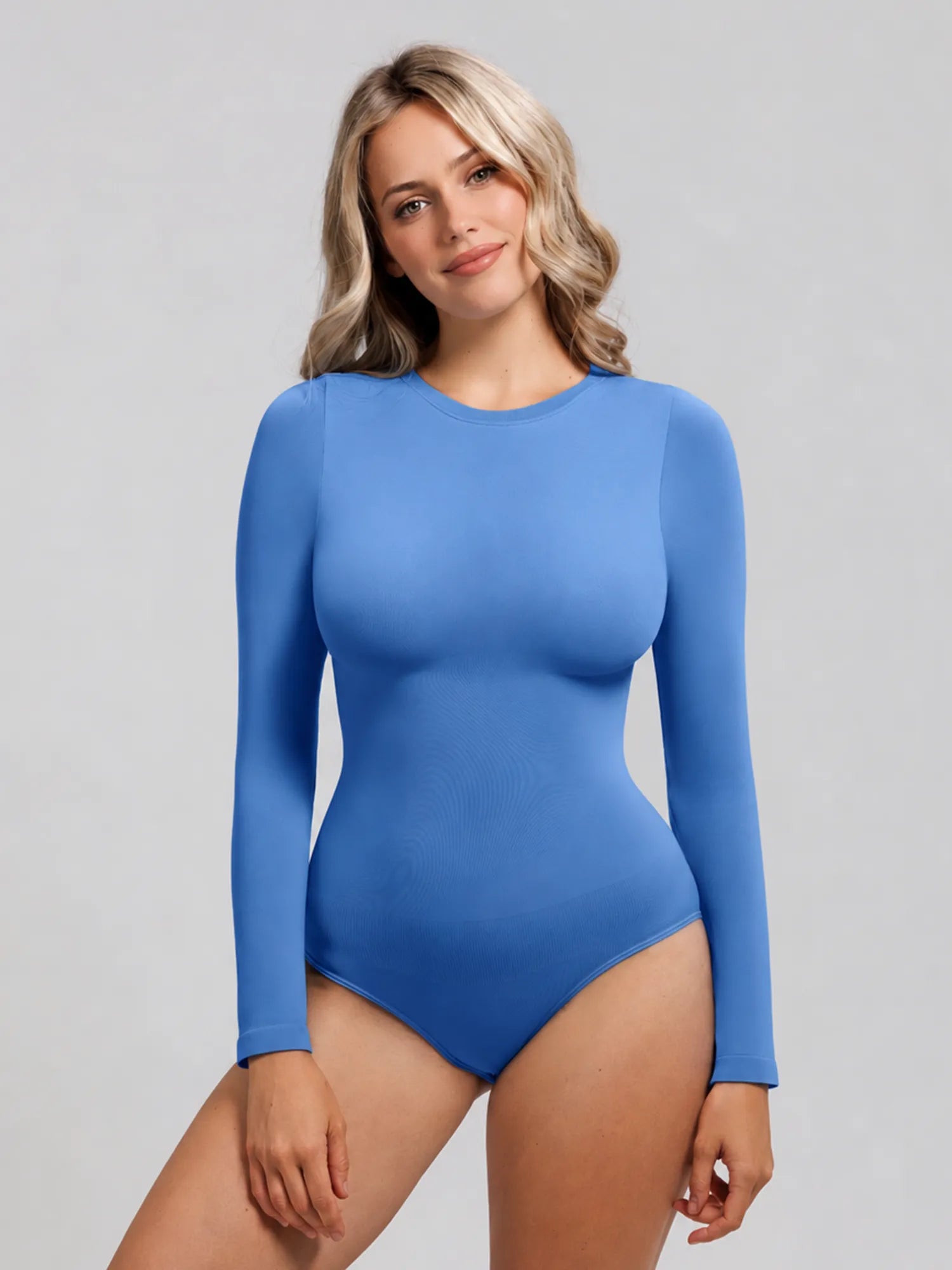
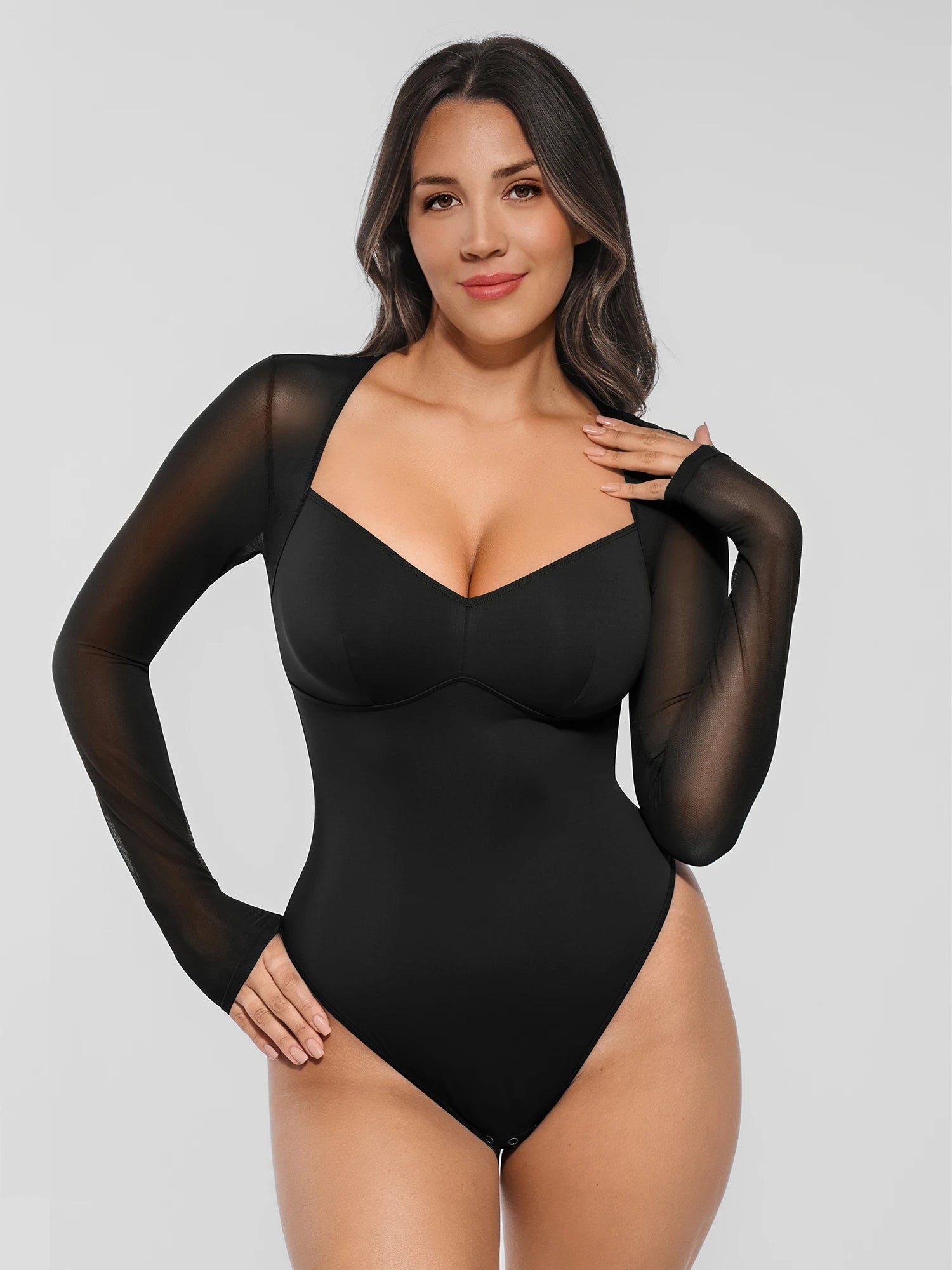
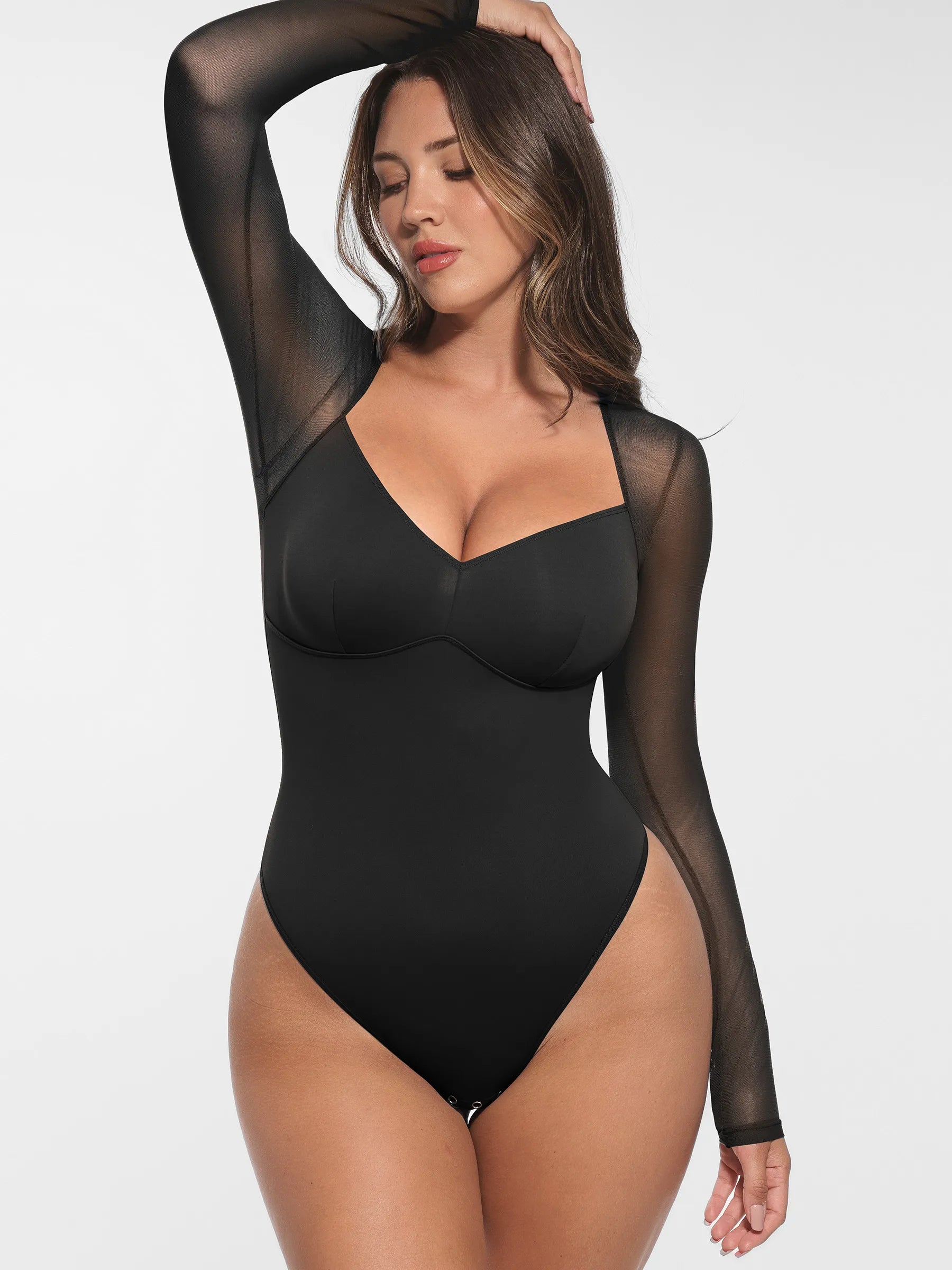
Wenn Sie einen Badeanzug suchen, der all diese Kriterien erfüllt, insbesondere die Vielseitigkeit, ihn sowohl nach dem Schwimmen als auch auf der Straße tragen zu können, dann ist der Feelingirl Badeanzug mit tiefem V-Ausschnitt, Metallring und Raffungen ist ein hervorragendes Beispiel. Es besticht durch ein schickes Metallring-Detail und einen schmeichelhaften tiefen V-Ausschnitt, der es eher wie einen hochwertigen Body als wie einen einfachen Badeanzug aussehen lässt.
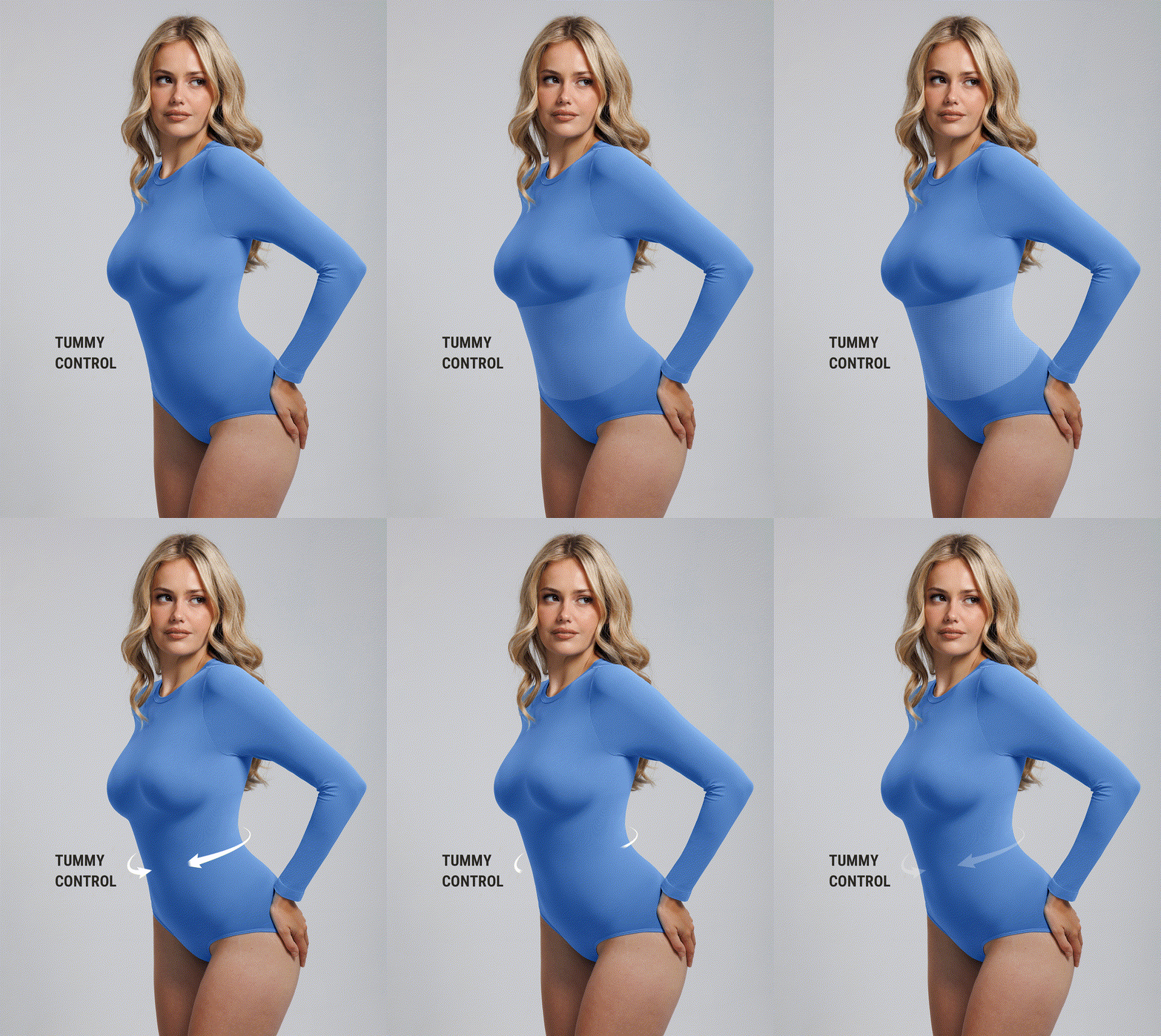
Was dieses Kleidungsstück so praktisch macht, ist die integrierte Formgebungstechnologie: Der geraffte Stoff sorgt für die bereits erwähnte Bauchkontrolle und Unterstützung, während die verstellbaren Träger eine perfekte Passform für verschiedene Figurtypen gewährleisten. Ob beim Schwimmen oder einfach nur zum schnellen Mittagessen mit Jeansshorts – dieses vielseitige Teil ist ein echter Alleskönner für Ihre Urlaubsgarderobe.

Häufig gestellte Fragen
Sind Badeanzüge und Badehosen dasselbe?
Ja. „Badeanzug“ und „Badehose“ sind Synonyme. „Badeanzug“ ist etwas altmodischer oder regional verbreitet (vor allem im Nordosten und Mittleren Westen der USA), während „Badehose“ die gängige, moderne Bezeichnung ist, die landesweit verwendet wird.
Welche Trends zeichnen sich bei Badeanzügen im Jahr 2026 ab?
Die Saison 2026 steht ganz im Zeichen von strukturierten Stoffen und einer Ästhetik, die an Erdtechnologie erinnert.Die Denken Sie an Knitterstoffe, hochgeschnittene Beine im Stil der 90er und „intelligente“ Bademode, die ihre Farbe leicht ändert, um den UV-Schutz anzuzeigen. Nachhaltigkeit ist nicht länger nur ein Schlagwort, sondern die Grundvoraussetzung.
Heißt ein Bikini Badeanzug oder einfach nur Bademode?
Ein Bikini ist ein Typ Es fällt zwar unter die Kategorie Badebekleidung, aber wenn Sie jemand fragt, was Sie im Schwimmbad tragen, ist die Antwort „ein Badeanzug“ völlig korrekt.
Wie nennt man einen Ganzkörperbadeanzug?
Je nach Kontext handelt es sich entweder um einen Neoprenanzug (zum Schutz vor Kälte/Surfen) oder um einen Stingeranzug/Tauchanzug (zum Schutz vor Quallen und Sonne). Im Leistungsschwimmen werden sie oft als Funktionsanzüge oder Knieanzüge bezeichnet.
Fazit
Am einfachsten merkt man sich den Unterschied so: Bademode ist die Kategorie, Badeanzug das Kleidungsstück. Sobald man es so betrachtet, wird die Formulierung viel verständlicher. Verwenden Sie „Bademode“, wenn Sie die gesamte Auswahl an Strand- und Poolbekleidung meinen, und „Badeanzug“, wenn Sie ein bestimmtes Kleidungsstück meinen, insbesondere einen Einteiler. Diese kleine Unterscheidung kann Ihnen helfen, schneller einzukaufen, Produktkategorien genauer zu lesen und den richtigen Stil mit mehr Selbstvertrauen auszuwählen.