





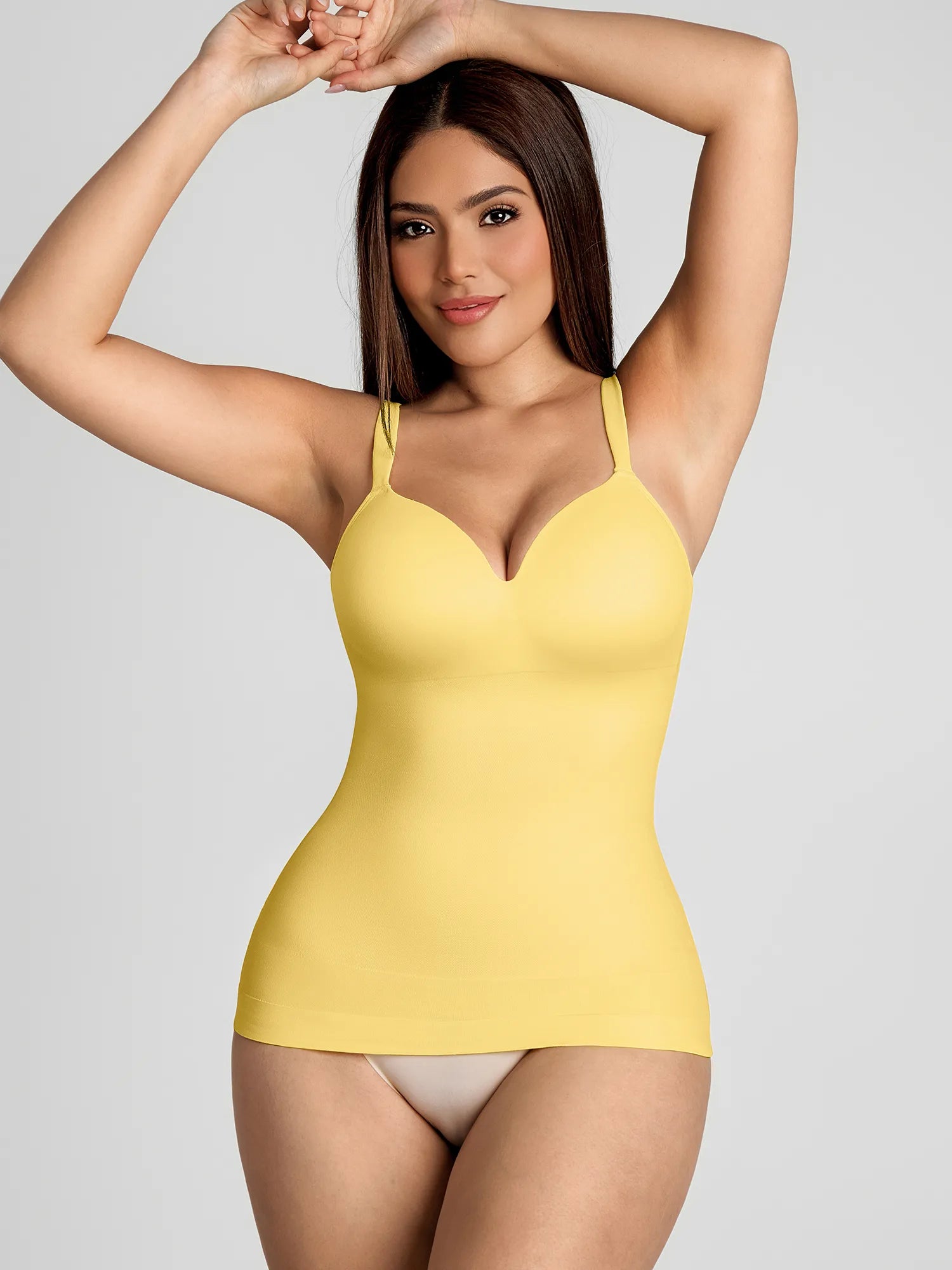

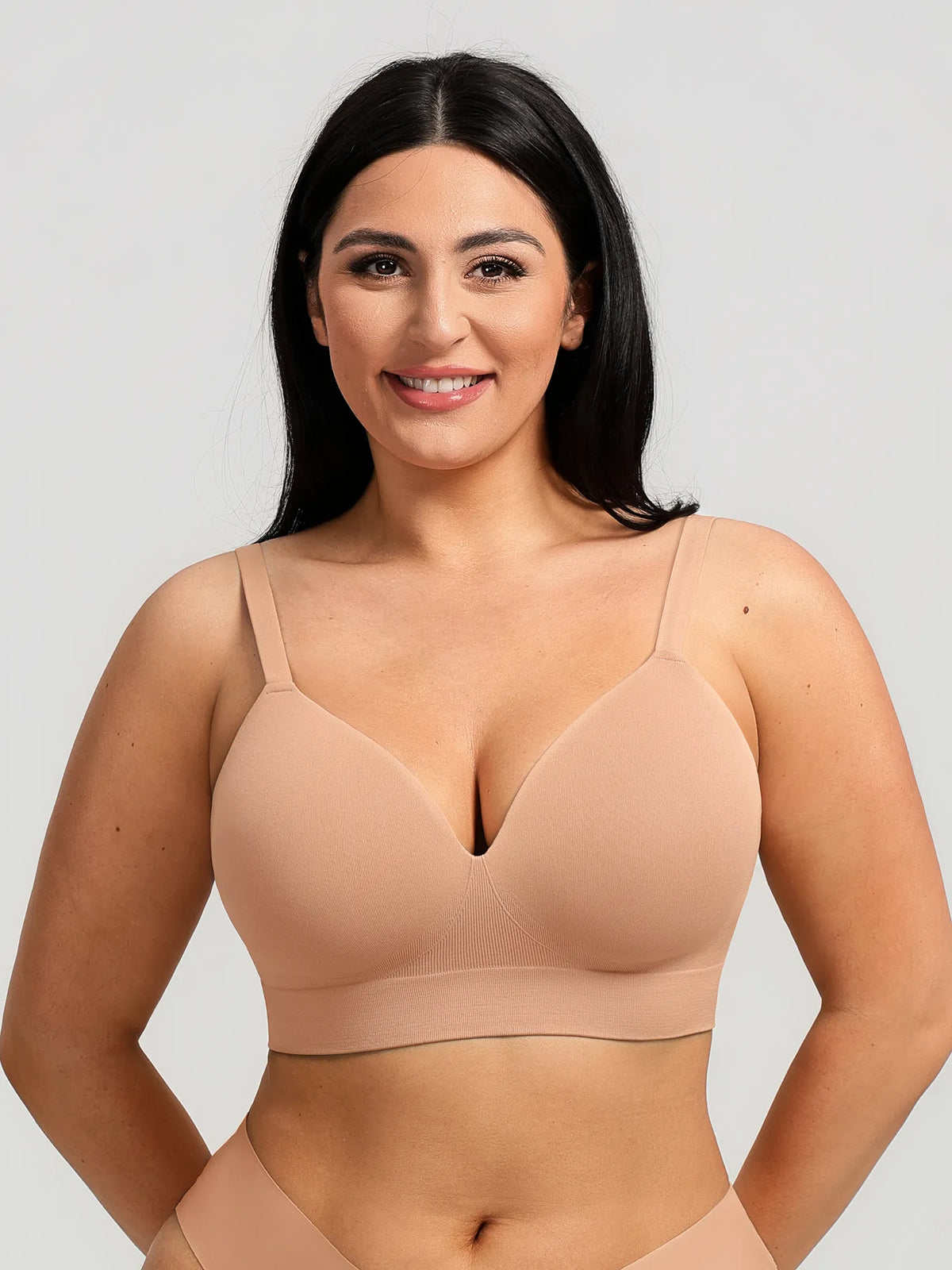

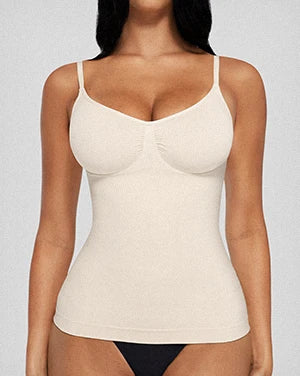
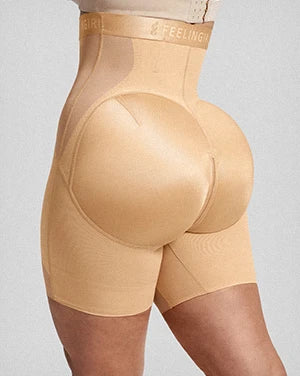
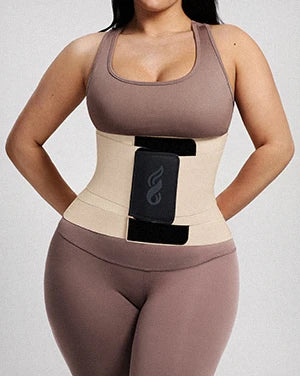
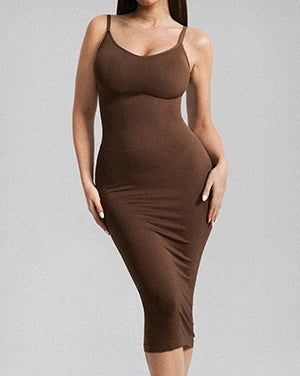
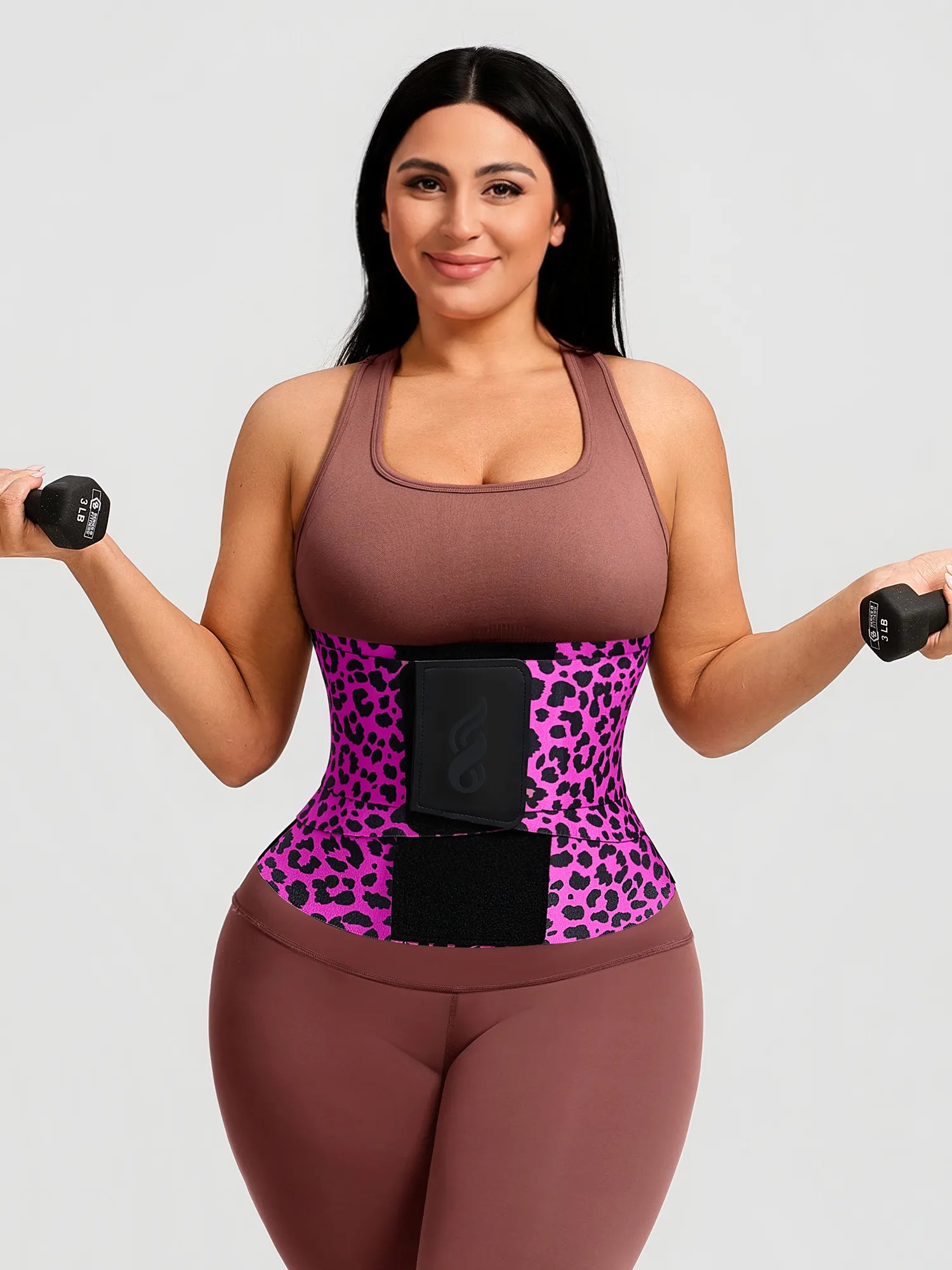
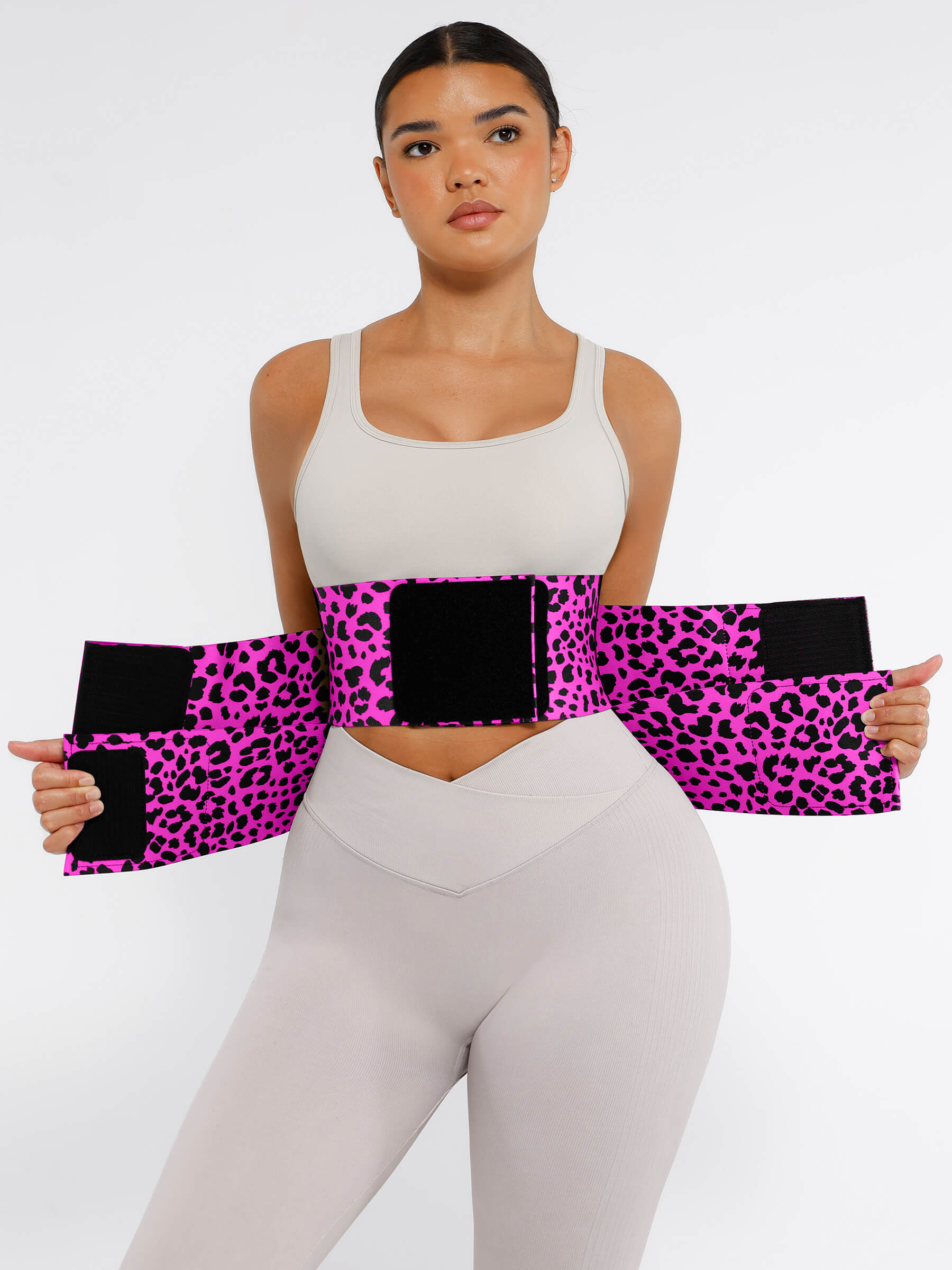
Bauchweg-Taillenformer mit verstellbarem Bund
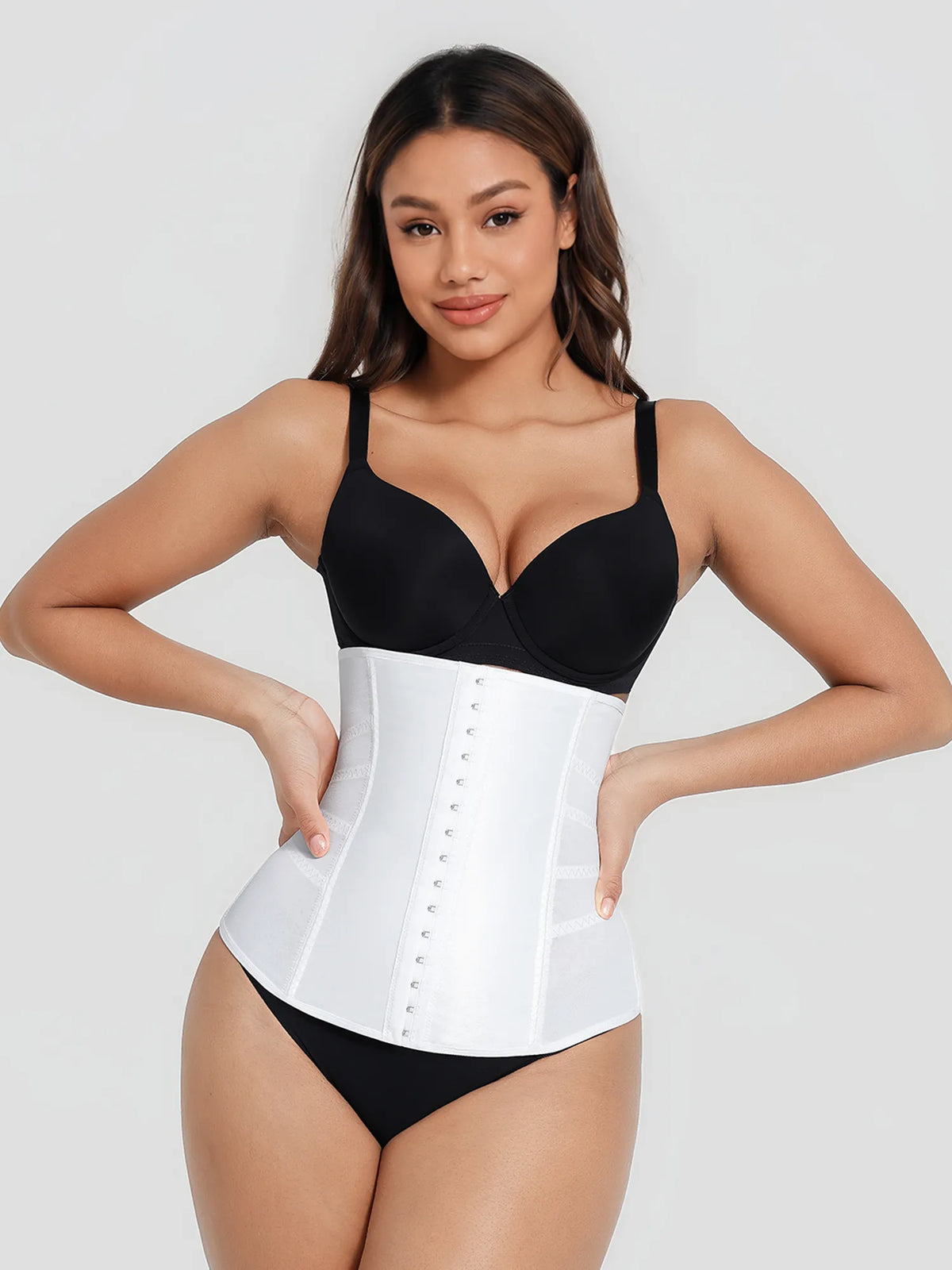

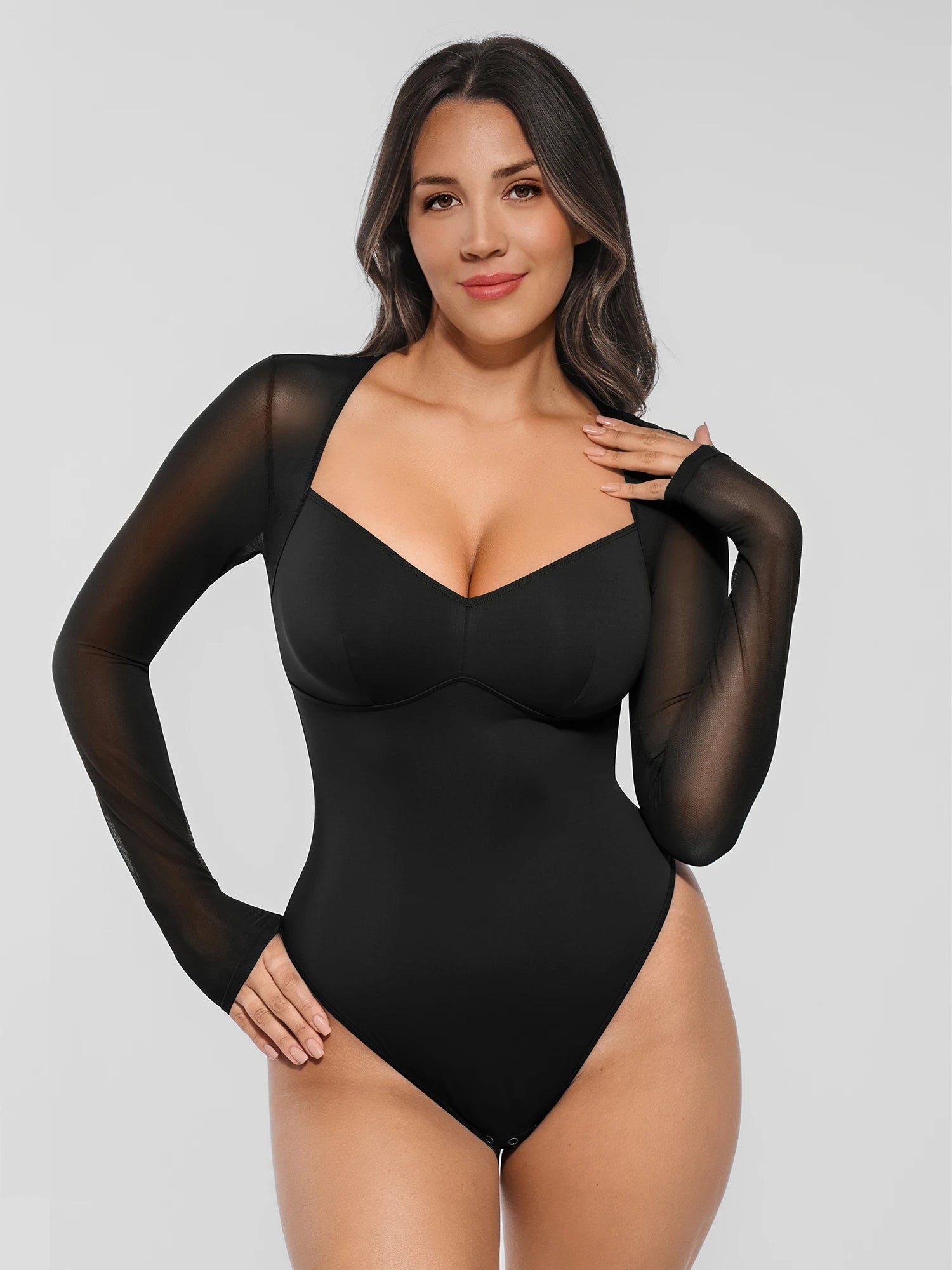
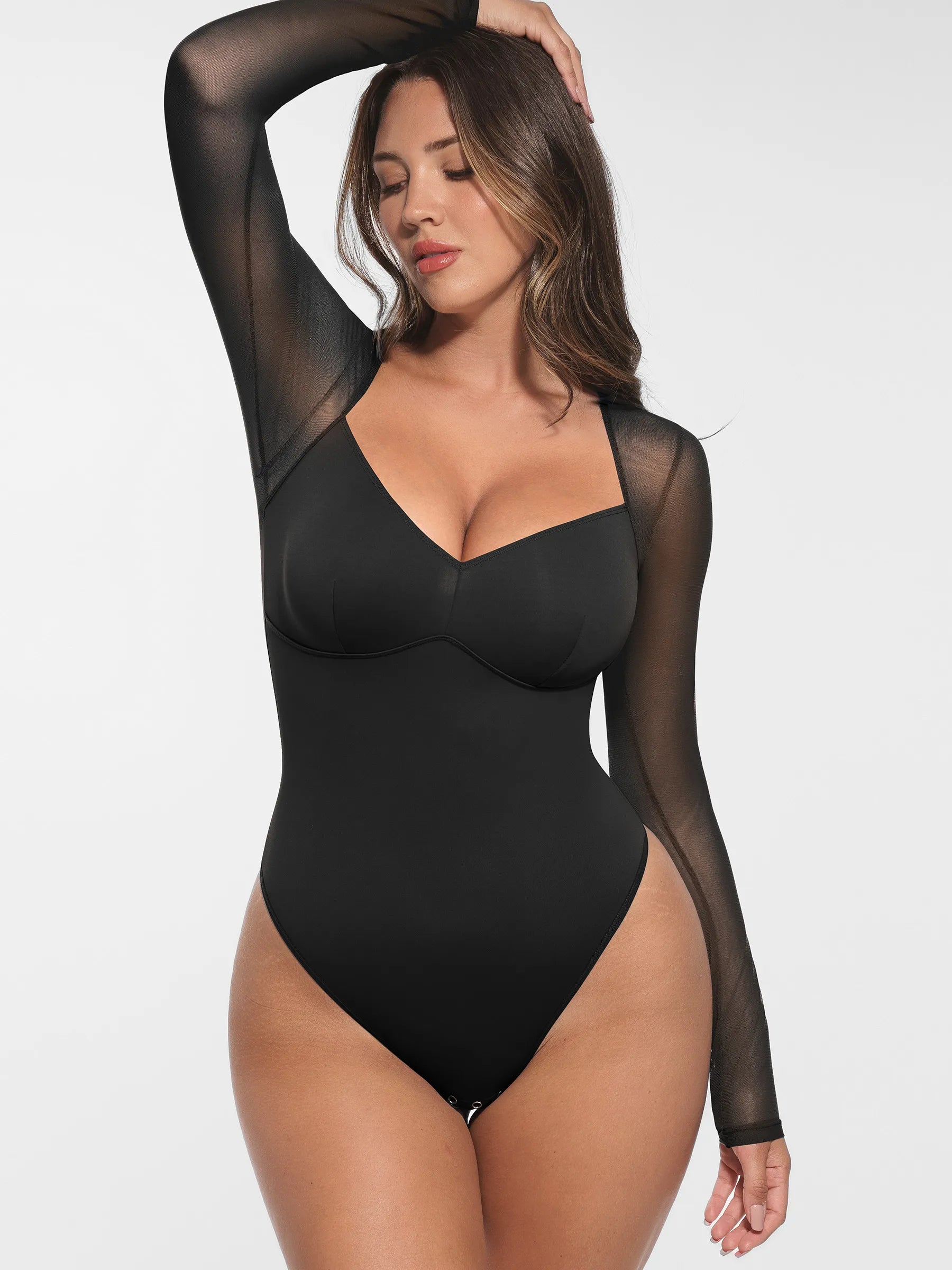
Taillenformer mit Mesh-Einsätzen und Stahlverstärkung
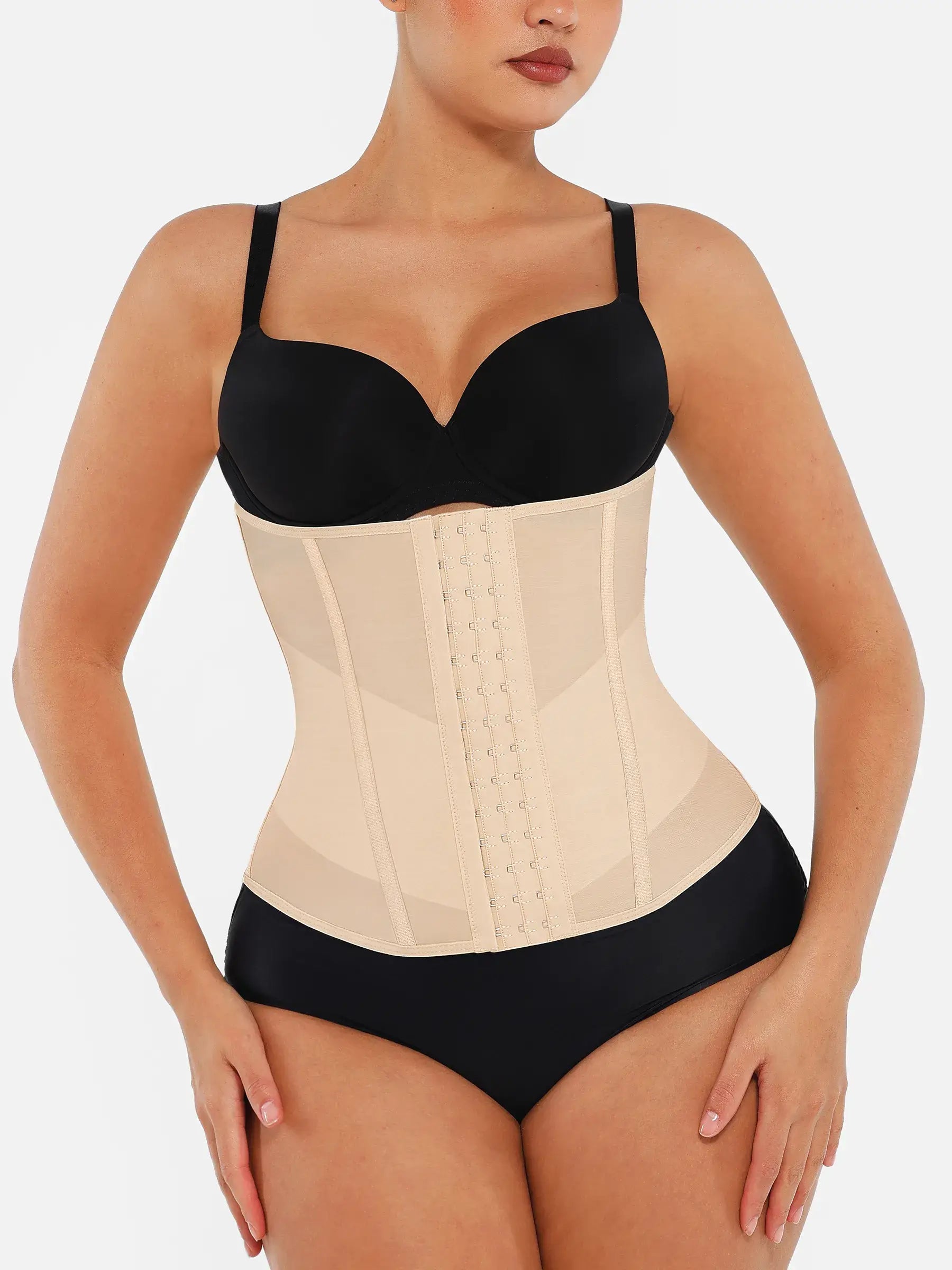

FEELINGIRL FEELVIBE
Bauchkontrolle Atmungsaktiver Mesh-Taillenformer
 Ultra Strong

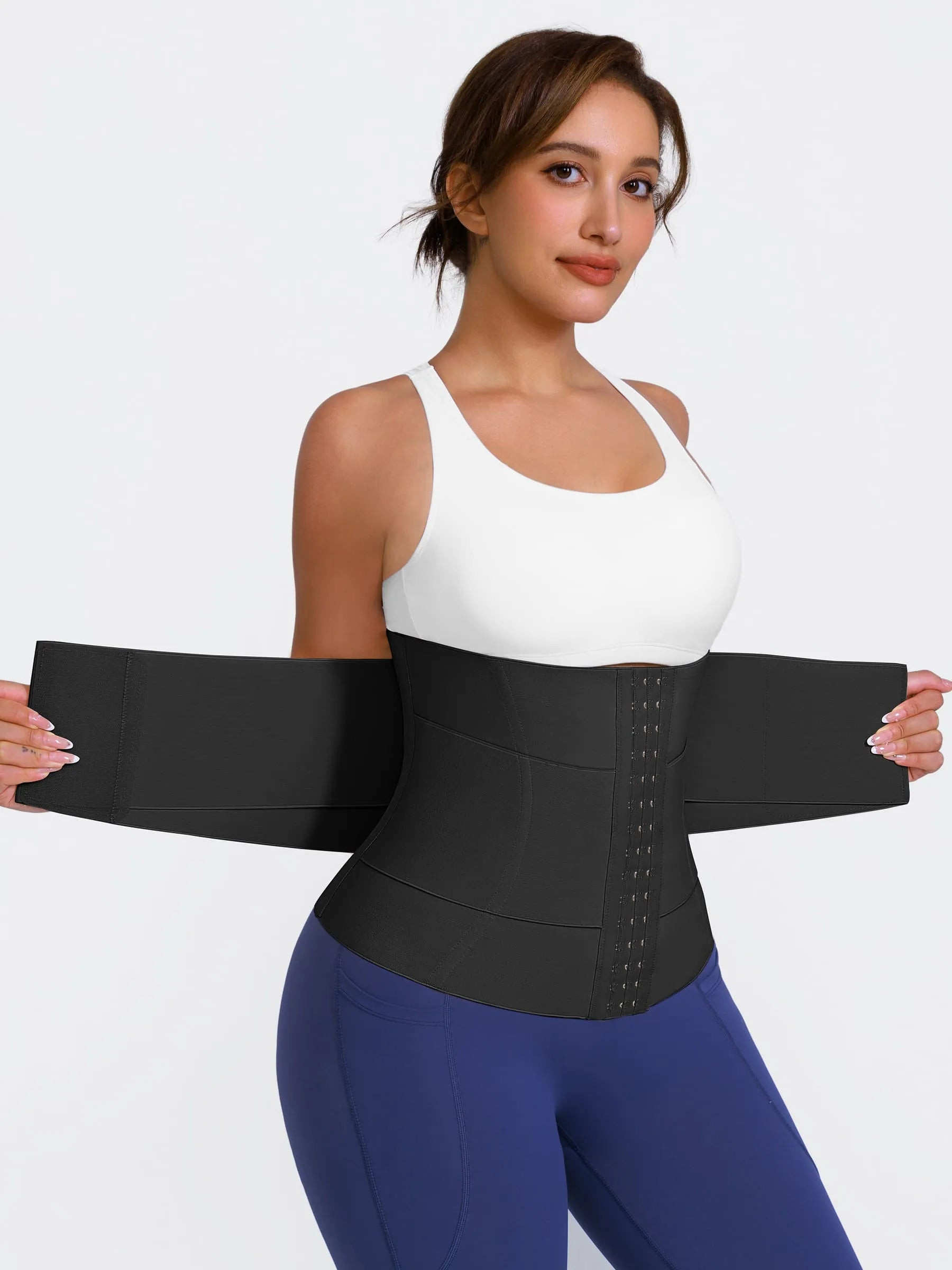
Taillenformer-Gürtel mit hoher Kompression
Ultra Strong

Set mit verstellbarem Taillenformer und Bauchkontrolle
Ultra Strong
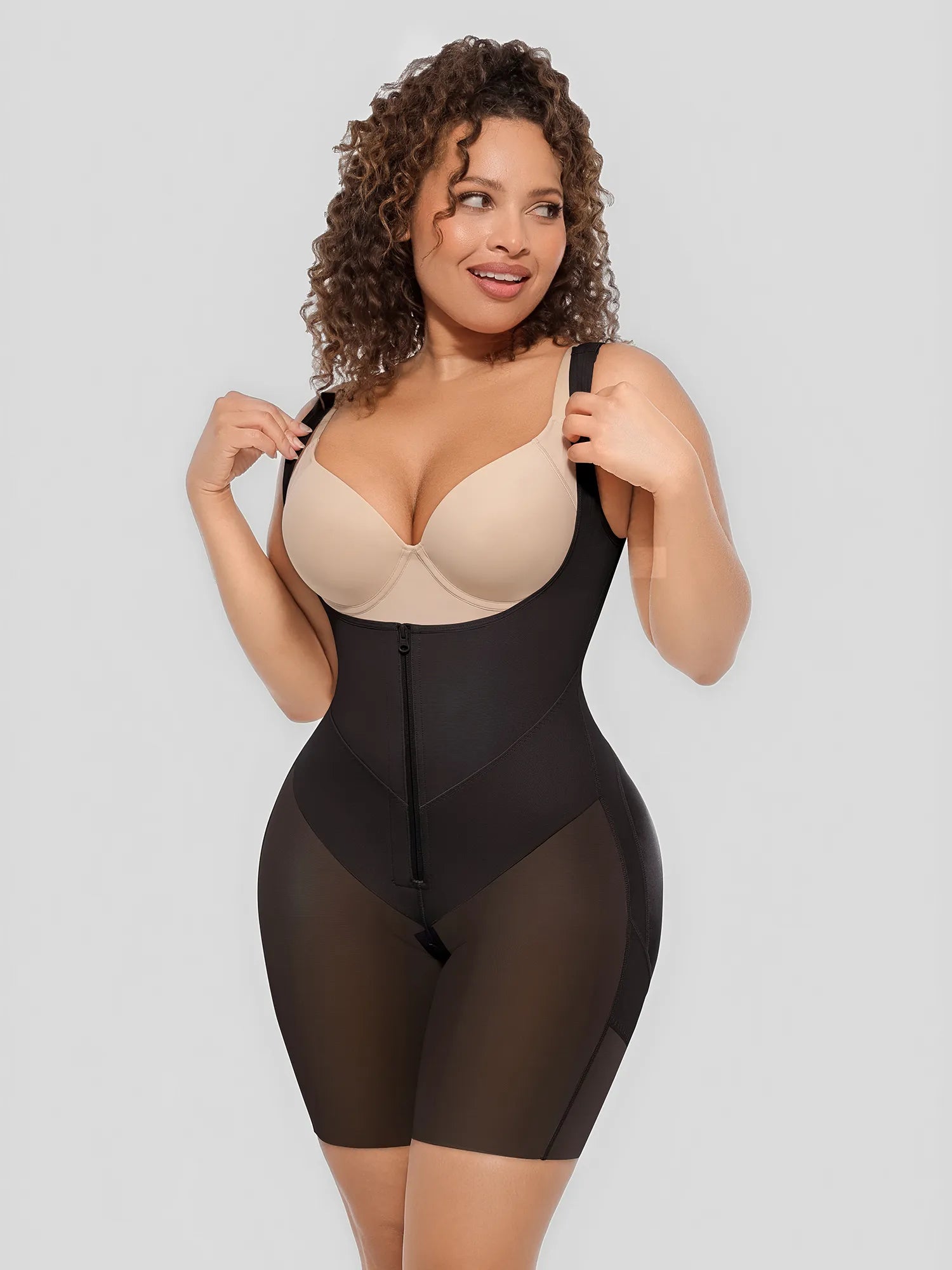
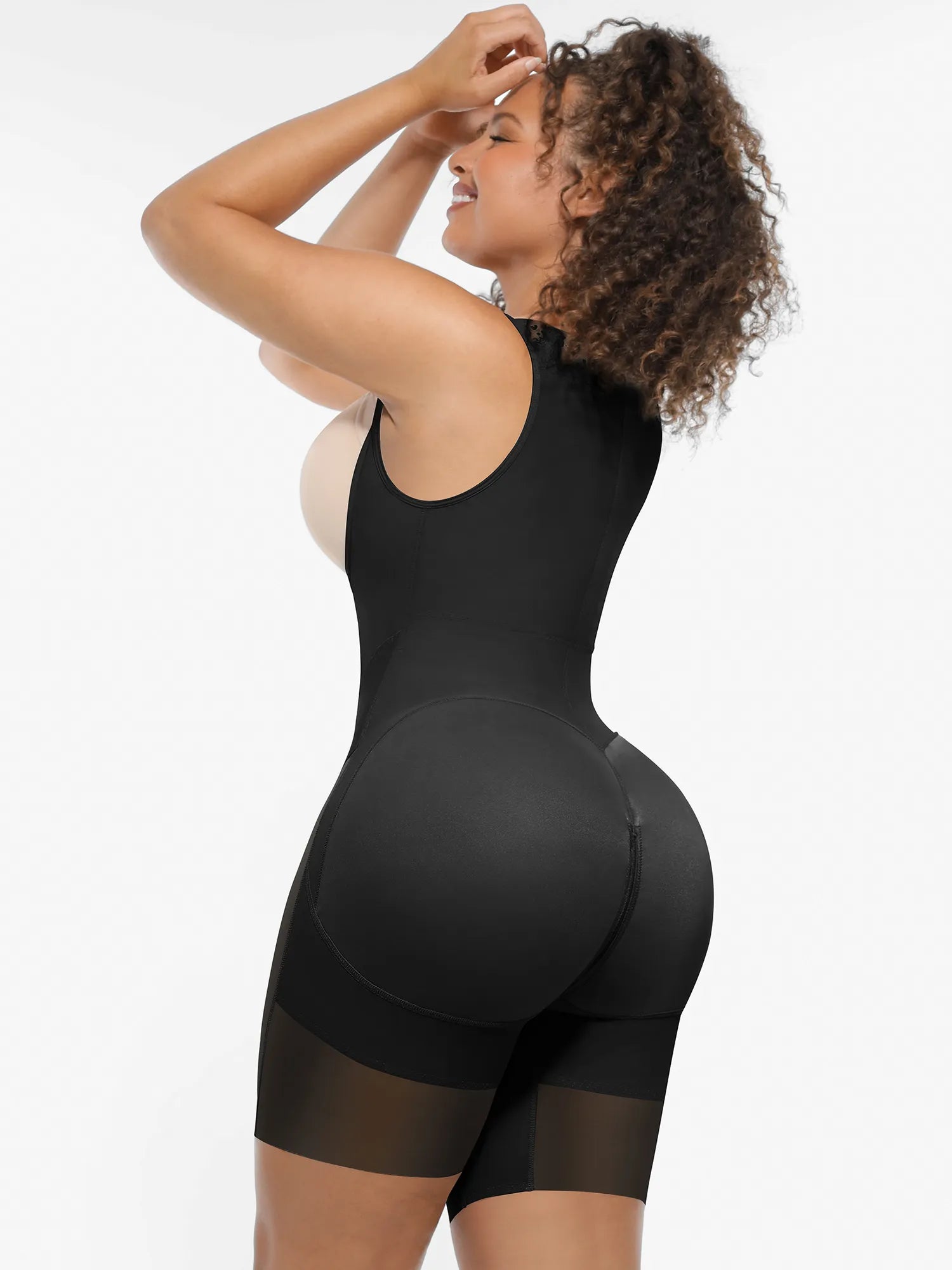
FEELINGIRL FEELVIBE
U-förmiger Faja Bauchweg- und Po-Lifting-Body
Ultra Strong
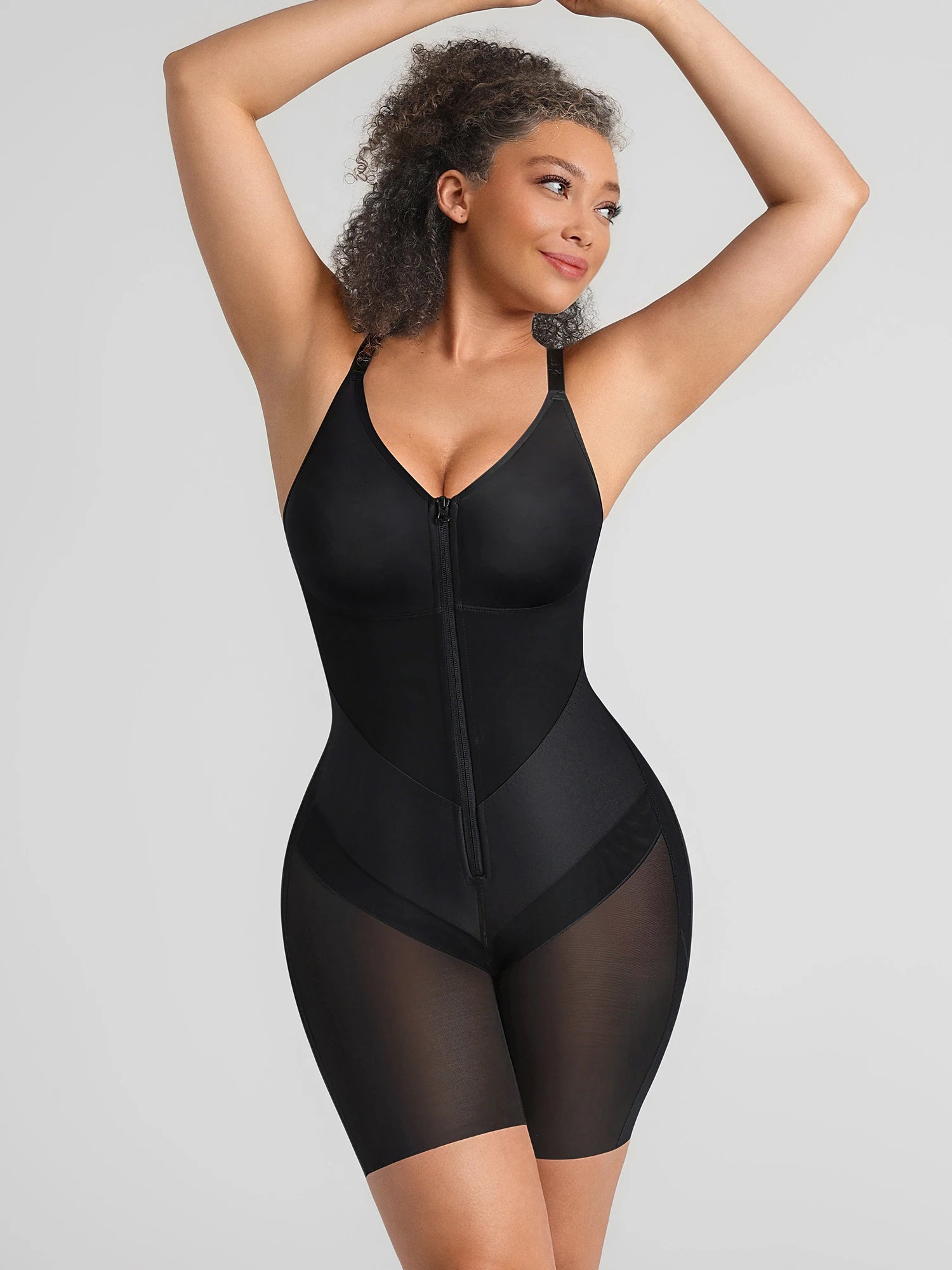
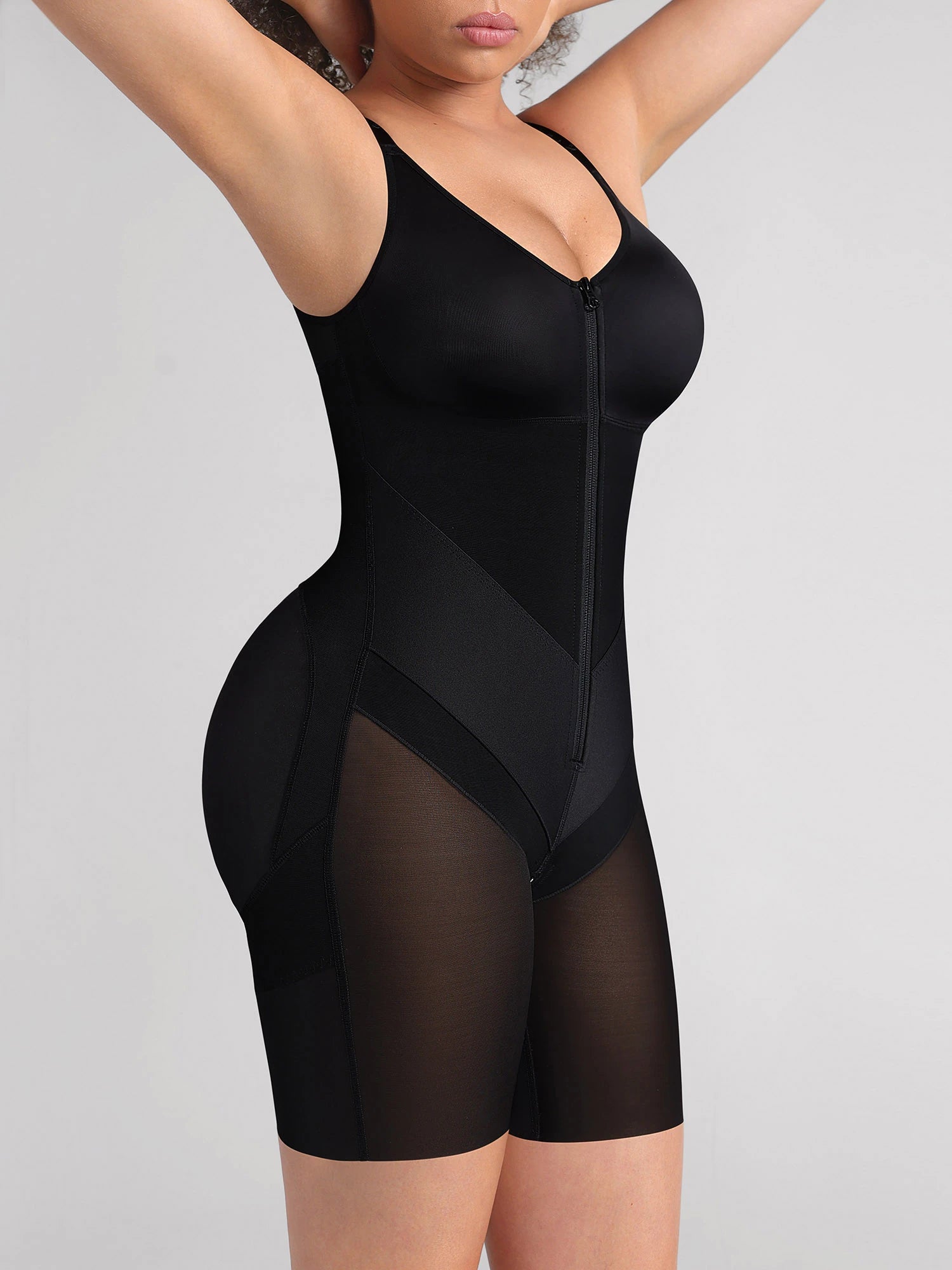 Ultra Strong
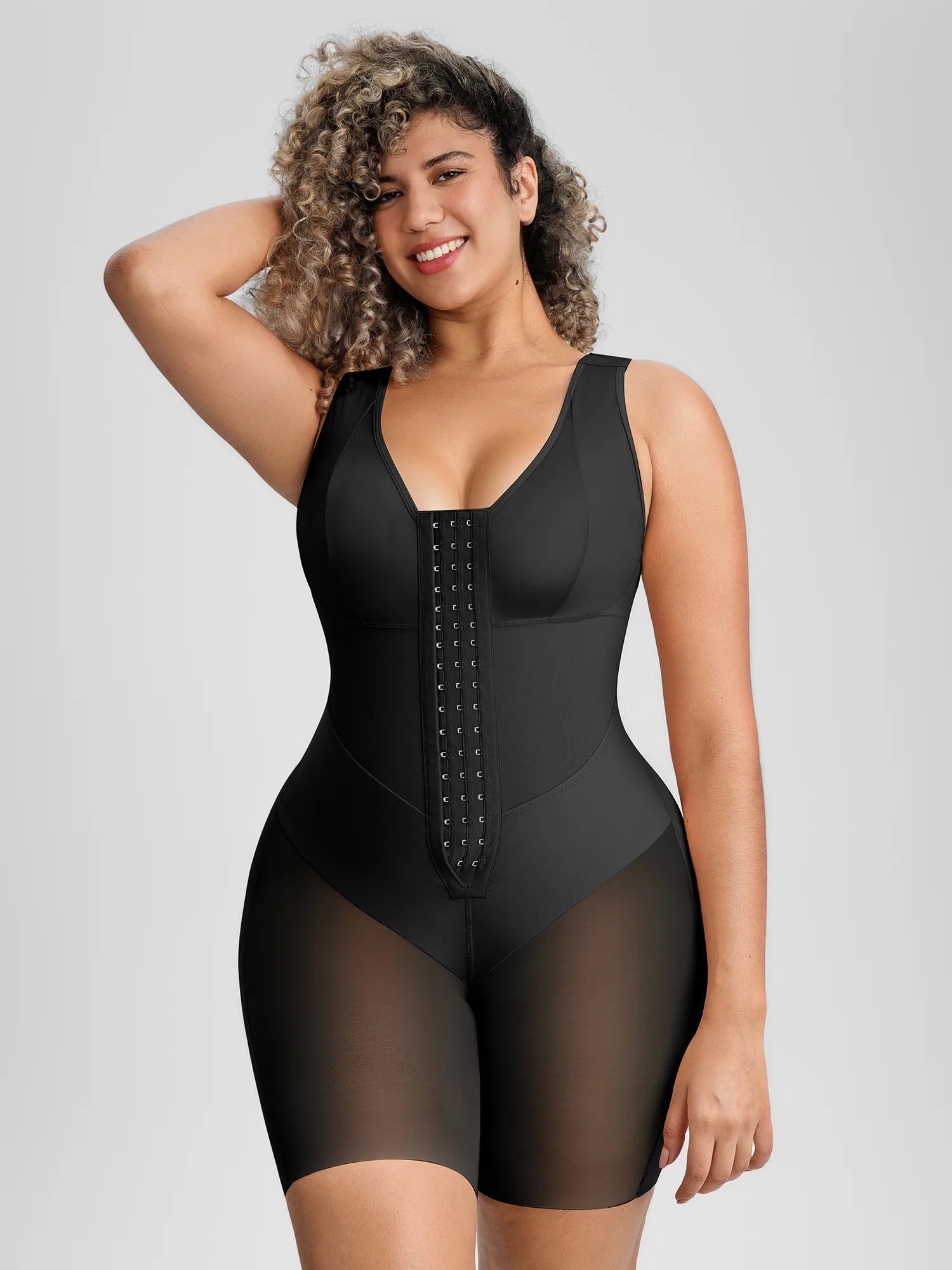
 Ultra Strong


Figurformende Shorts mit Bauchkontrolle und Po-Lifting
Ultra Strong
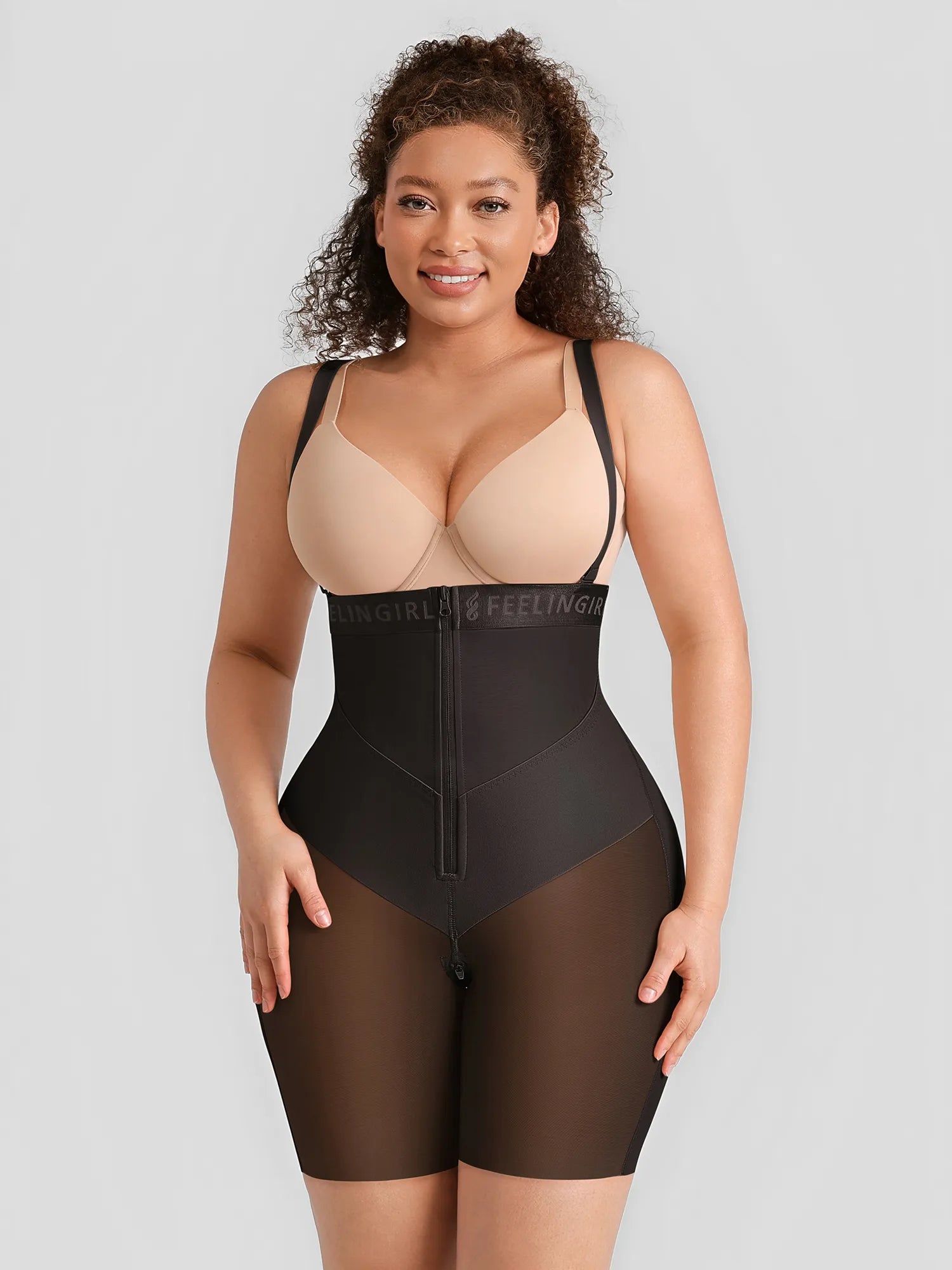

FEELINGIRL FEELVIBE
Shorts mit breitem V-Ausschnitt, hohem Bund und formender Wirkung
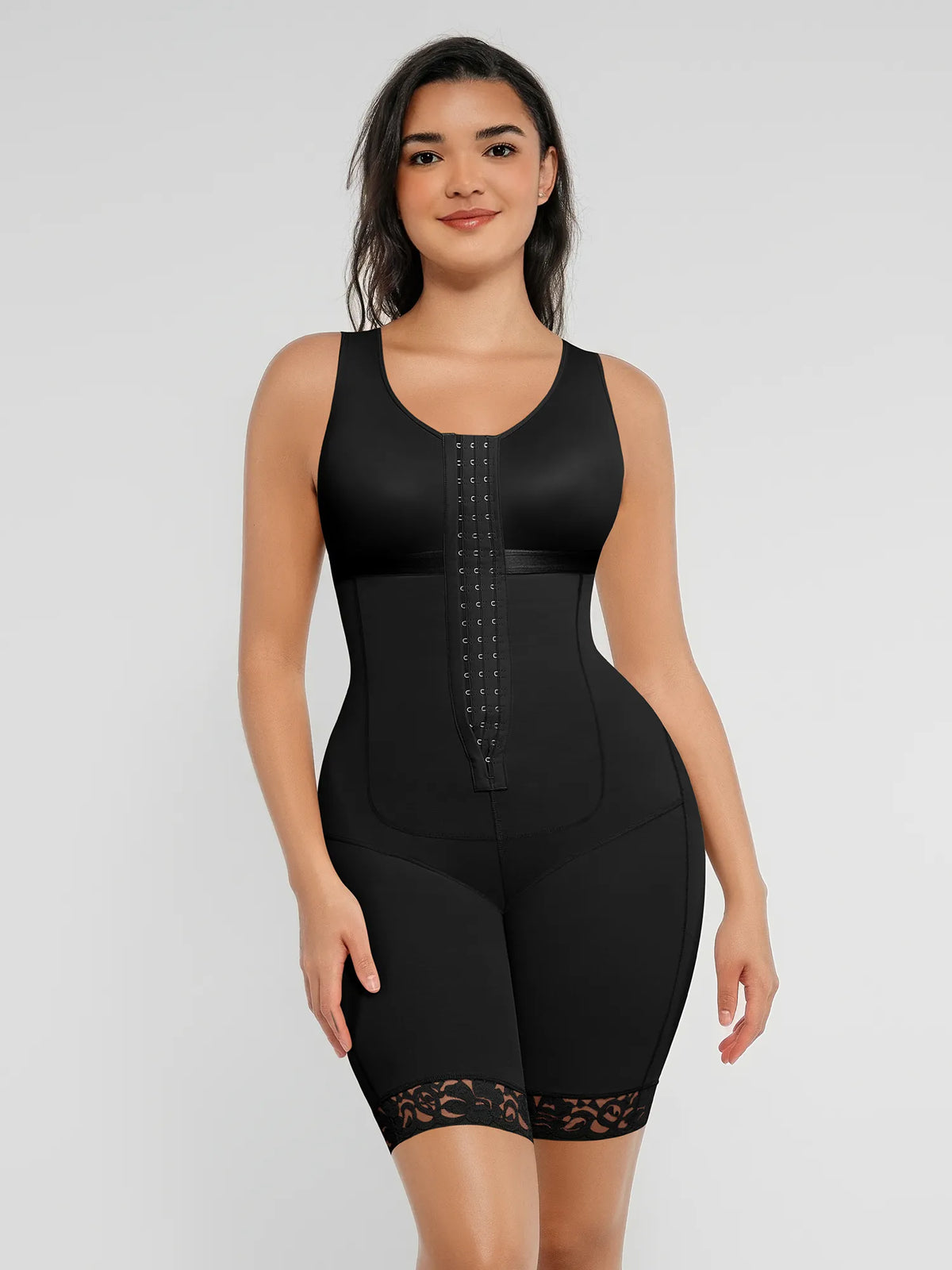

Postoperativer offener Brustform-Body
Ultra Strong

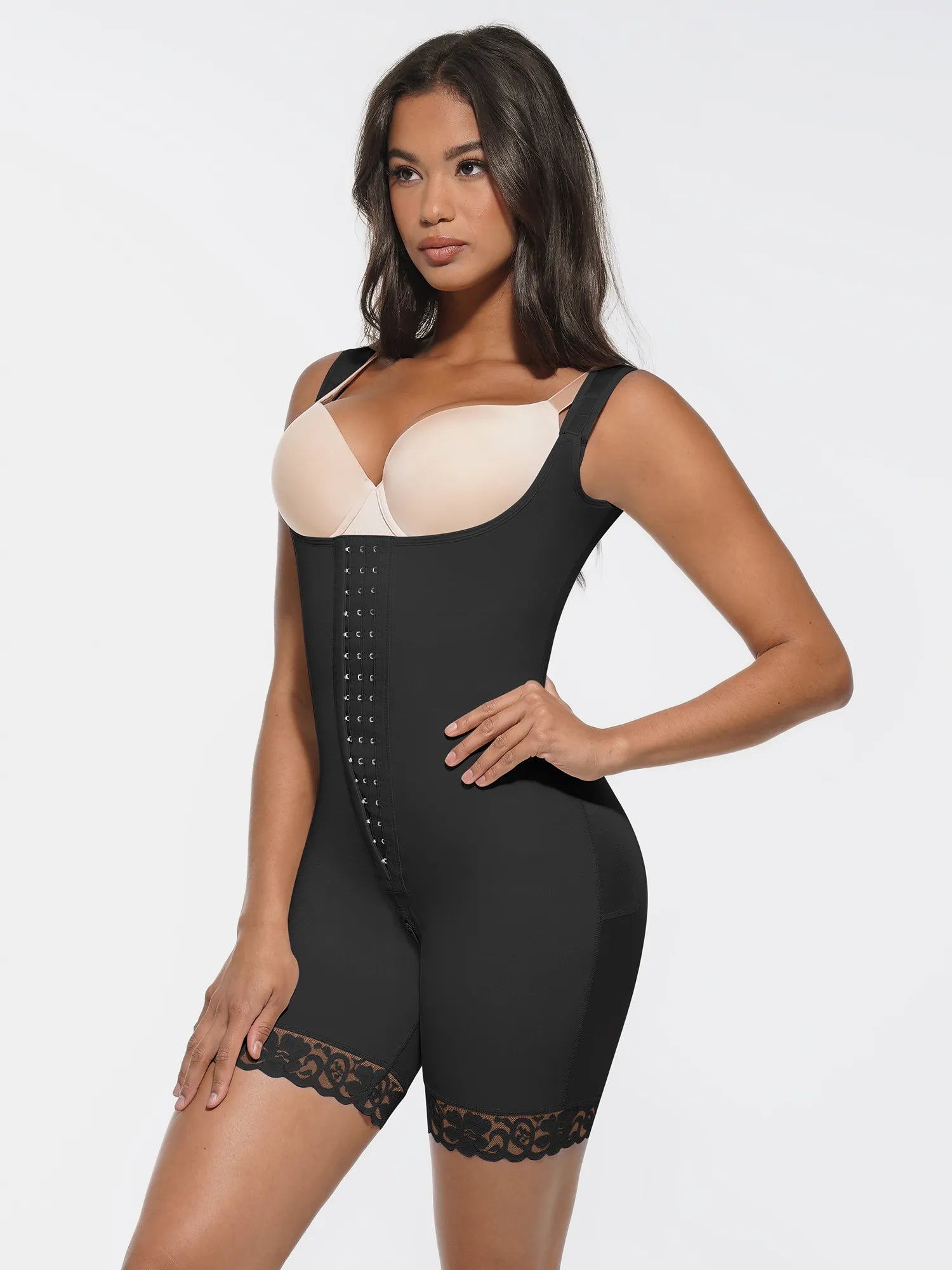
Mesh Comfort Faja Body
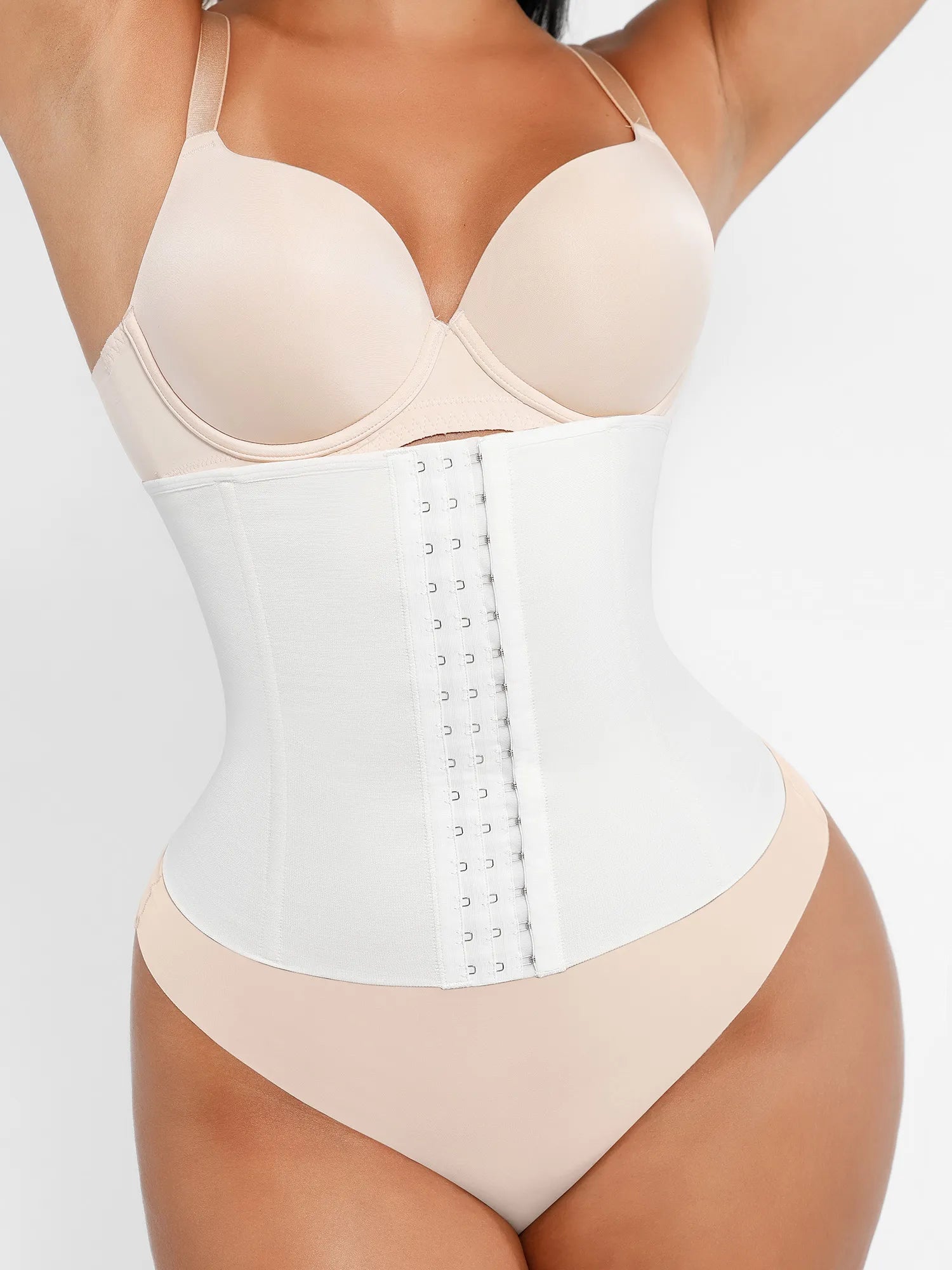
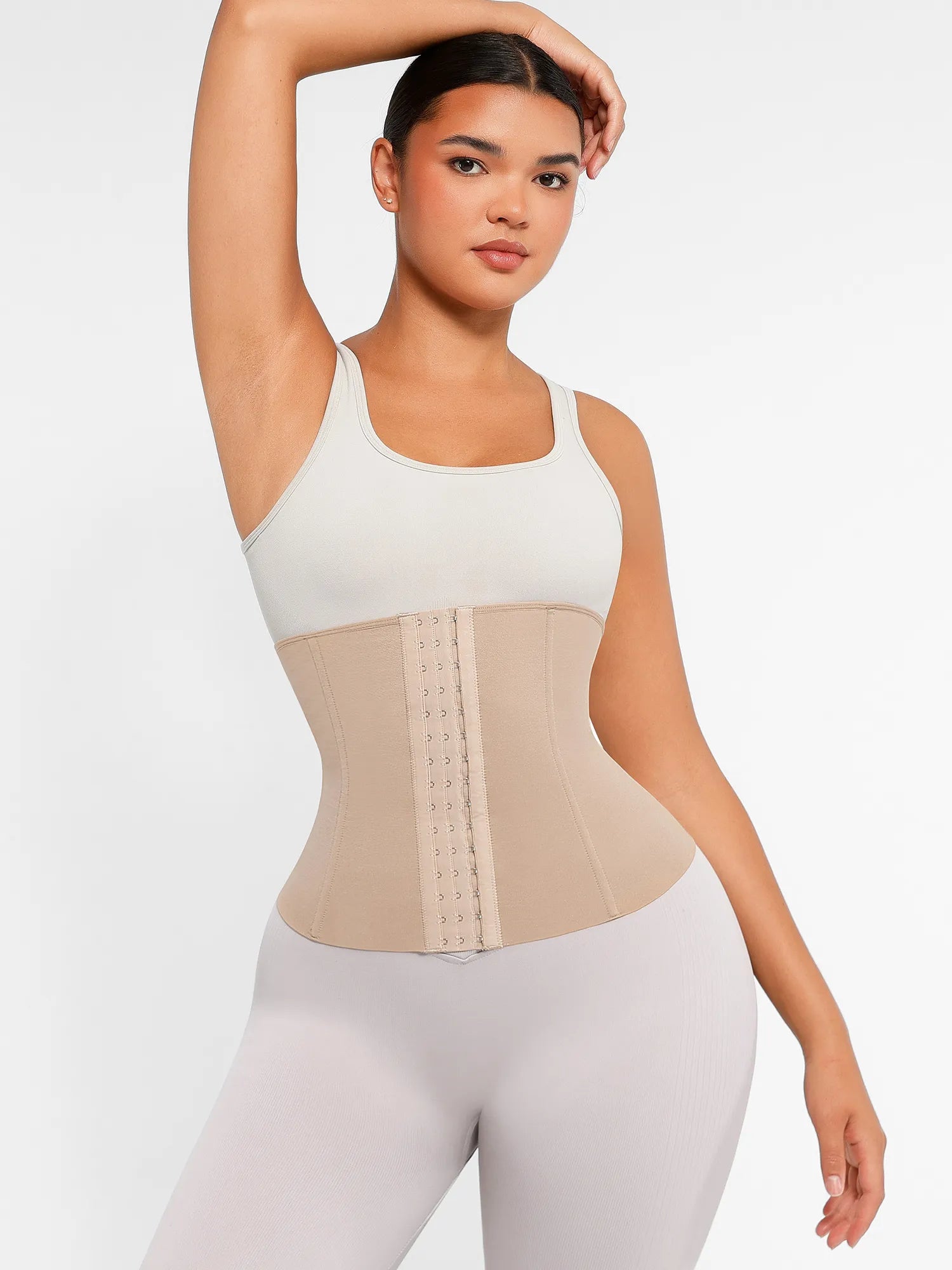
Nahtloser Taillenformer mit Bauchkontrolle [BOGO]

Secure Payment
Security is one of the main concerns in everything we do. All payments are 100% secure.

For the Feeling
We take the time to source the softest, most durable, performance fabrics that you’ll feel great wearing.

Life Well-Fitted
Love your fit, guaranteed. If not, exchanges & returns for 60 days.

Size Inclusive
We strive to serve as many body shapes and sizes as possible so everyone can find their perfect fit.
FAQs
Do waist trainers actually work?

A waist trainer can temporarily change how your waist looks while you wear it. It does not permanently reshape your waist, so there is no reliable timeline for lasting results from wearing one.
How do I choose the best waist trainer for my needs?
Start with your intended outfit and the area you want to smooth. Compare waist measurements, garment length, fabric, closure type, and flexibility. Choose a style that fits your body and lets you move comfortably. A higher price or stronger compression does not automatically mean a better fit.
What size waist trainer should I get?
Measure your natural waist with a soft tape, keeping it level without pulling it tight, then compare the result with the exact product’s size chart. Check garment length as well. If you fall between sizes, follow that style’s guidance rather than choosing a smaller size for extra compression.
What is the difference between a waist trainer and a corset?
Many waist trainers use stretch fabrics with hook or wrap closures, while traditional structured corsets typically use less-stretchy fabric, boning, and adjustable lacing. You could compare the actual construction, flexibility, coverage, and fit matter more than the label alone.
Can a waist trainer help you lose weight or belly fat?
A waist trainer is not an effective long-term weight-loss method. A flatter appearance from compression should not be confused with fat loss, and extra sweating does not establish that belly fat is being reduced.
How tight should a waist trainer be?
It should not cause pain, numbness, tingling, or difficulty breathing. If it digs in or feels restrictive when you sit, loosen it or remove it and reassess the fit. Do not force a tighter setting simply because another row of hooks is available.
How long should I wear a waist trainer each day?
Do not treat eight hours a day as a goal. Tight waist trainers are better limited to brief, occasional wear rather than a daily training routine. Wearing one longer does not guarantee lasting results.
Can I sleep in a waist trainer?
No. Remove your waist trainer before sleeping rather than leaving it on overnight. Longer wear is not a shortcut to better results, and sleep should not be part of a waist-training schedule.
Can I work out while wearing a waist trainer?
Avoid tight waist compression during exercise, when you need unrestricted breathing and movement. A “workout” label should not override discomfort or restricted breathing. Choose exercise clothing that allows you to move freely.
How do I wash my waist trainer?
Follow the care label for your exact style. If it specifies hand washing, wash it by hand and follow the drying instructions. Do not bleach, iron, tumble dry, or dry clean when prohibited. Check the Fabric & Care section or the washing guide before washing, as materials and construction vary.
