










Waist Trainers vs Shapewear: Which Is Better?
Choosing between a waist trainer and shapewear can feel confusing because both are designed to shape the midsection, but they do not work in the same way. A waist trainer focuses mainly on waist compression, while shapewear is usually made to smooth, support, and shape the body under clothing. This guide breaks down the key differences so you can choose the option that fits your outfit, comfort level, and shaping goal.
What Is Shapewear?
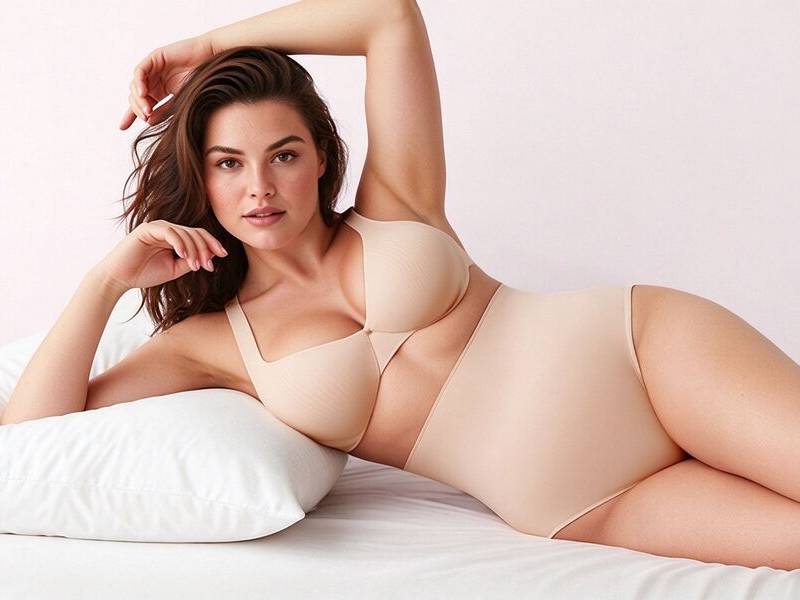
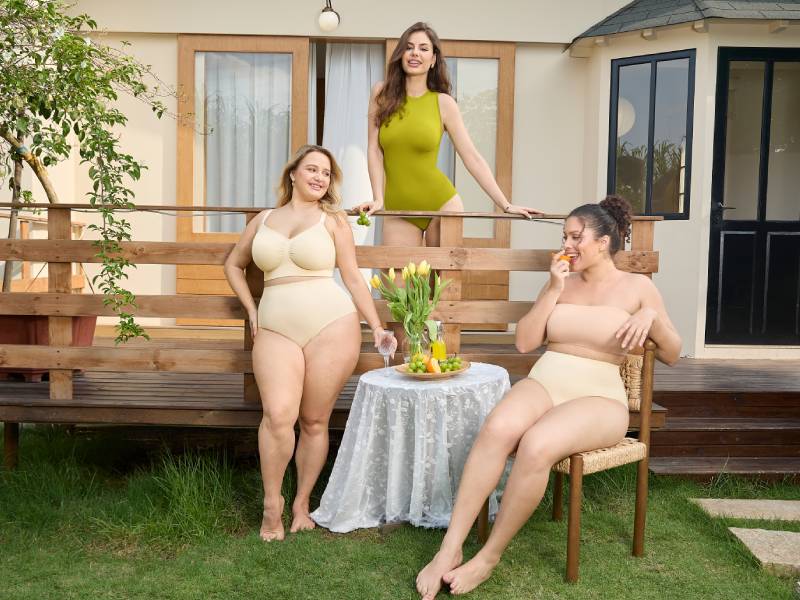
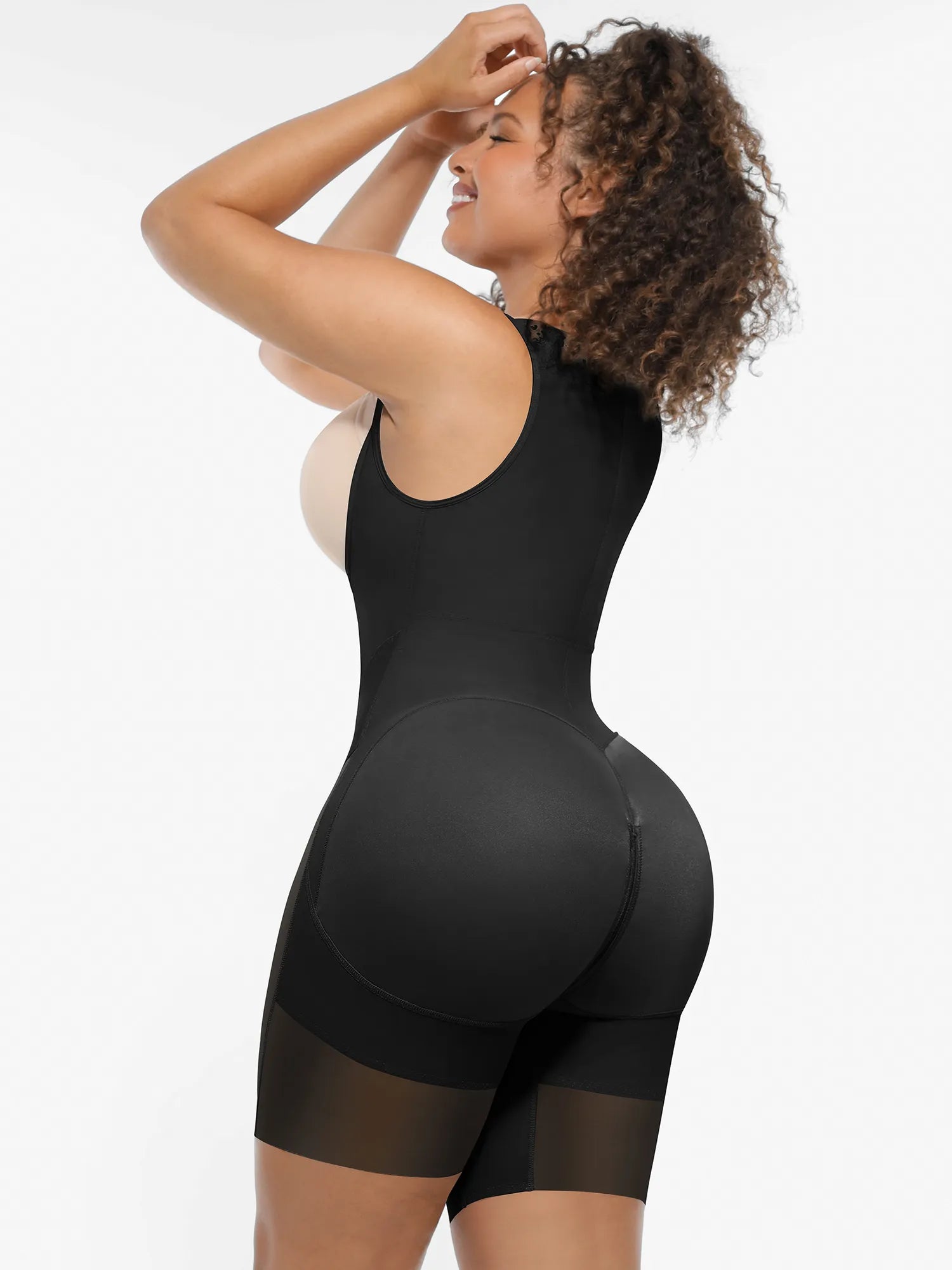
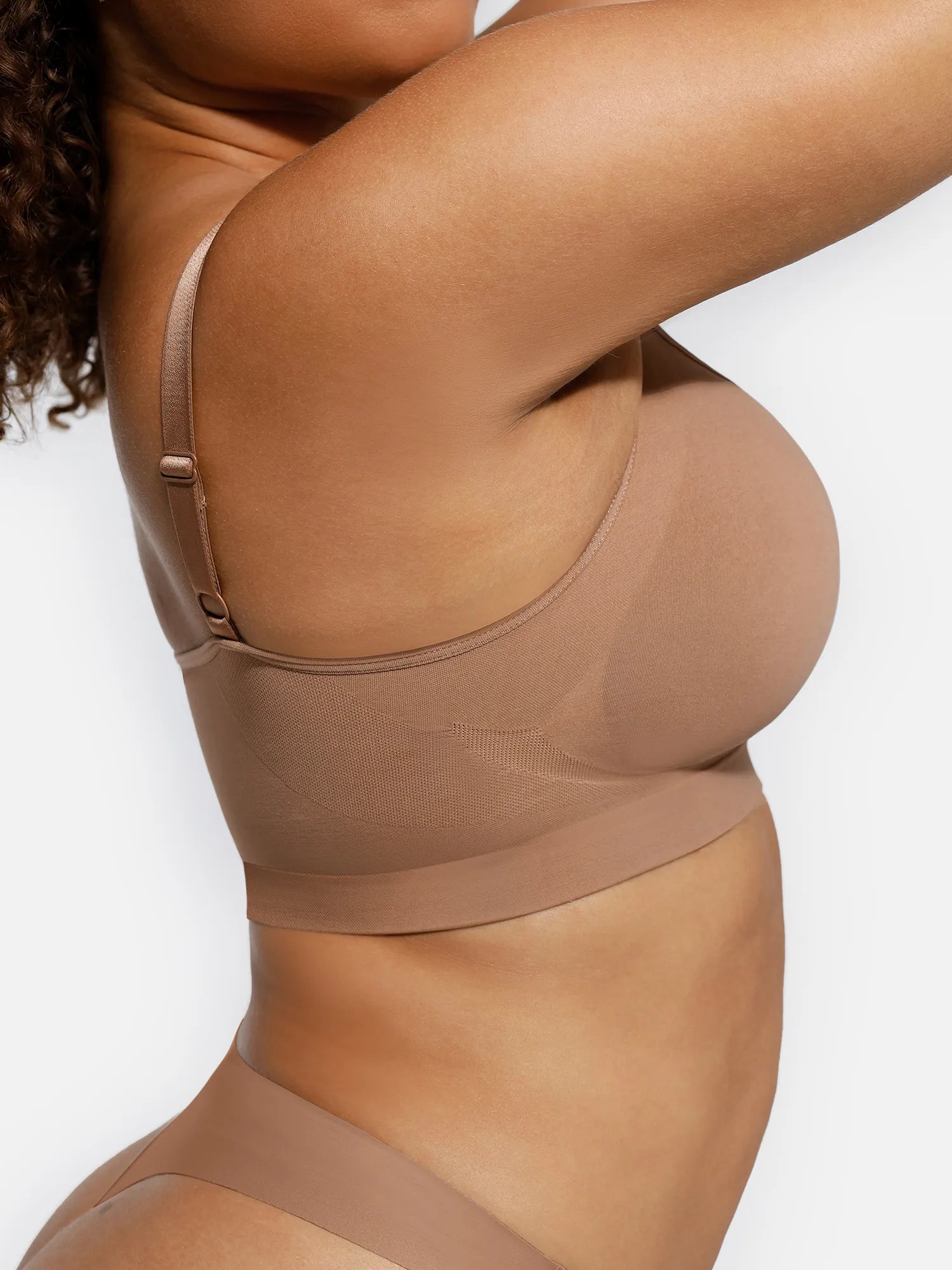
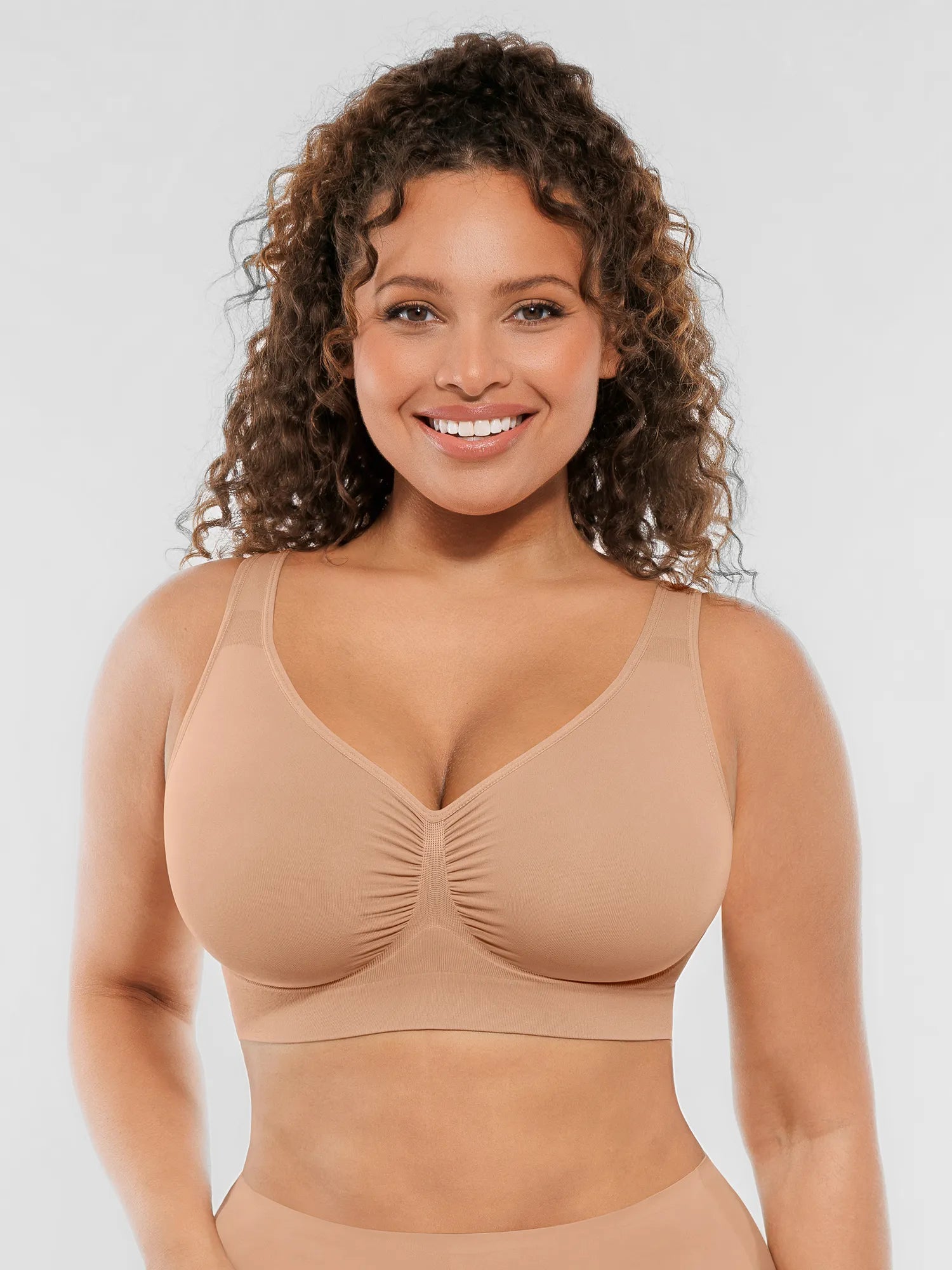
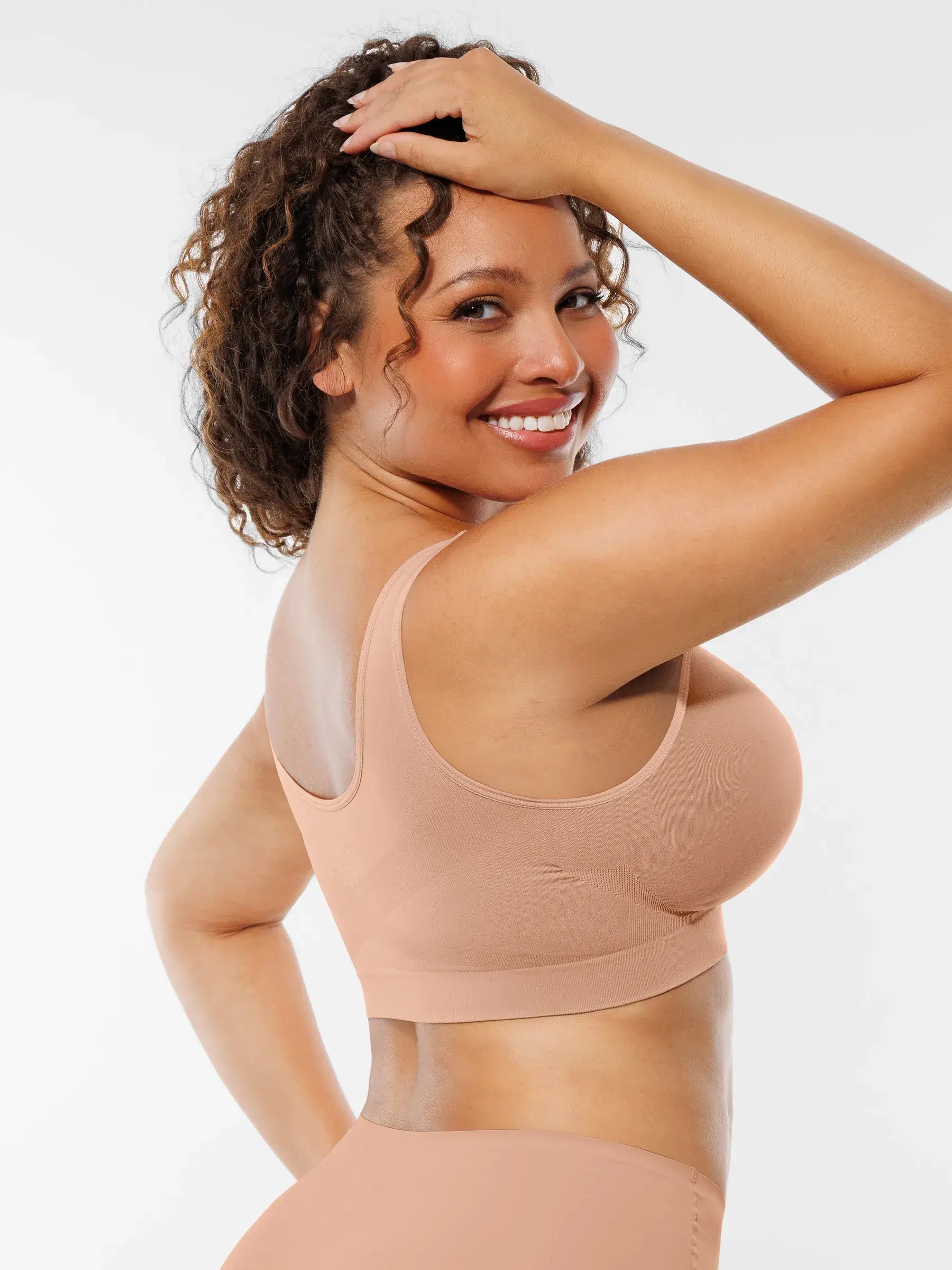
Shapewear is a body-shaping garment designed to smooth your natural curves and create a cleaner look under clothes. It can target the tummy, waist, hips, thighs, back, or full torso, depending on the style.
How Shapewear Works
Shapewear utilizes high-elasticity fabrics like nylon and spandex to provide targeted compression. Unlike more rigid garments, shapewear moves with you. It works by smoothing out "lumps and bumps" rather than physically altering the shape of your ribcage or waistline. It is designed for comfort and long-term wear, making it the go-to choice for office days or long evening events.
Common Types of Shapewear
There is a shapewear solution for almost every part of the body. When selecting your piece, use this checklist to find the right style:
Shaping Panties: Best for light tummy control and preventing panty lines.
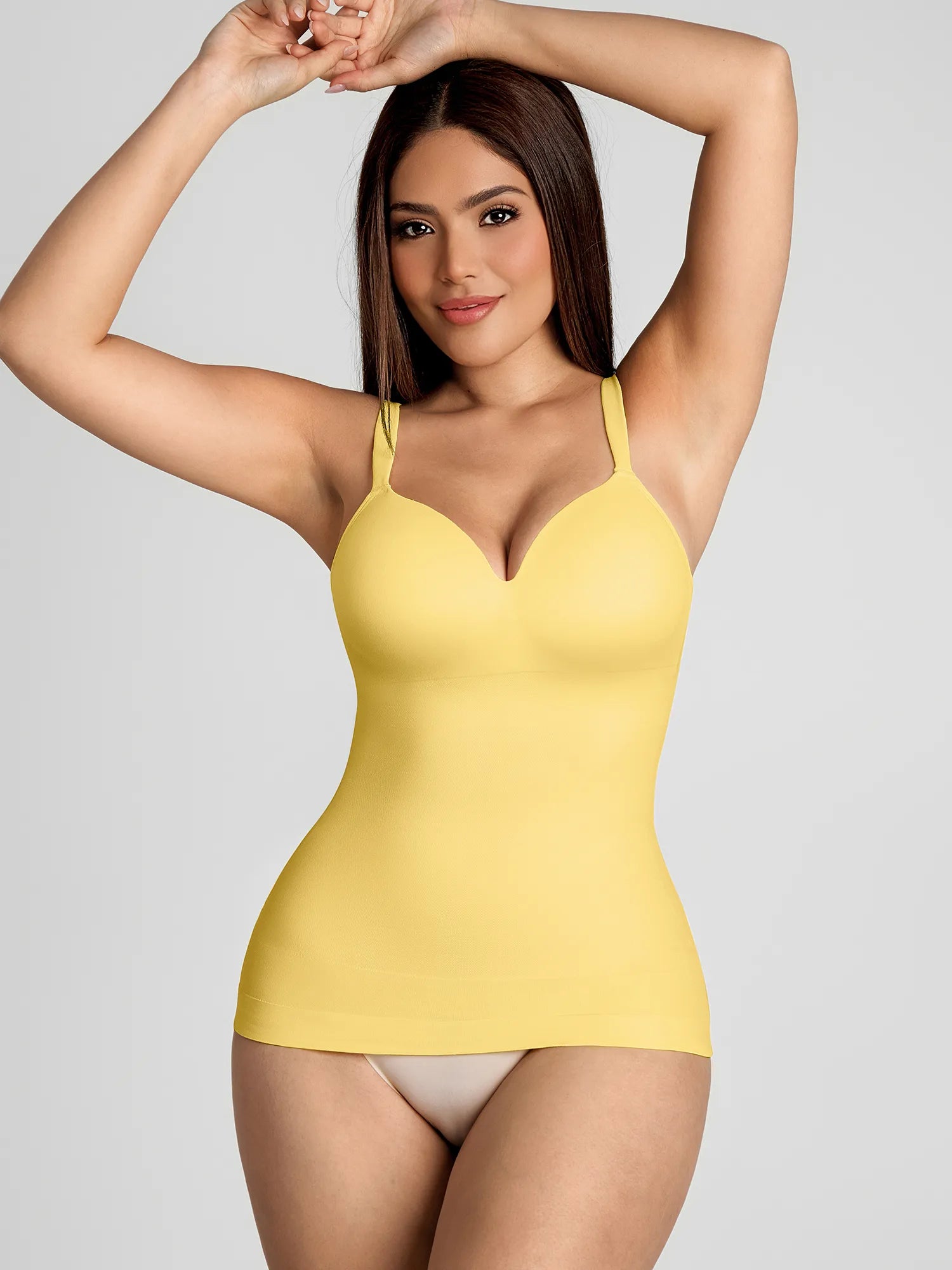
Control Camisoles: Ideal for smoothing the torso and back area under thin tops.
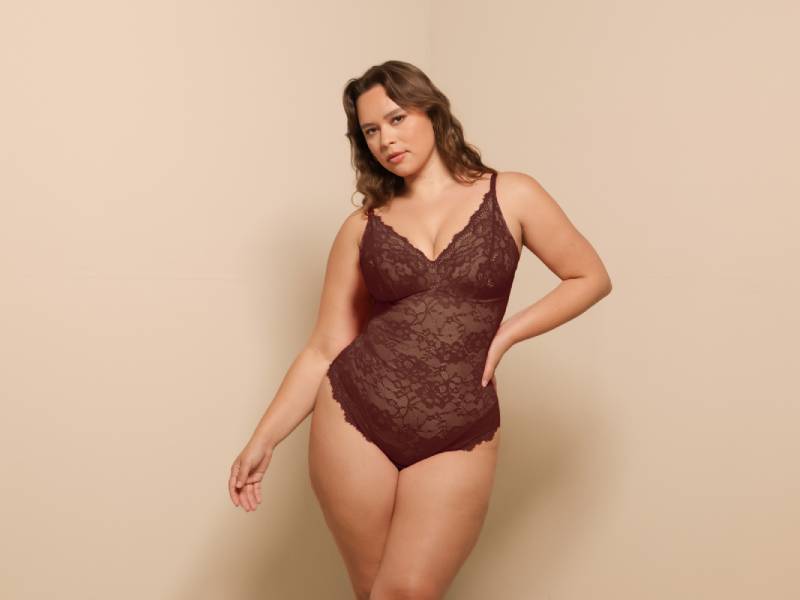
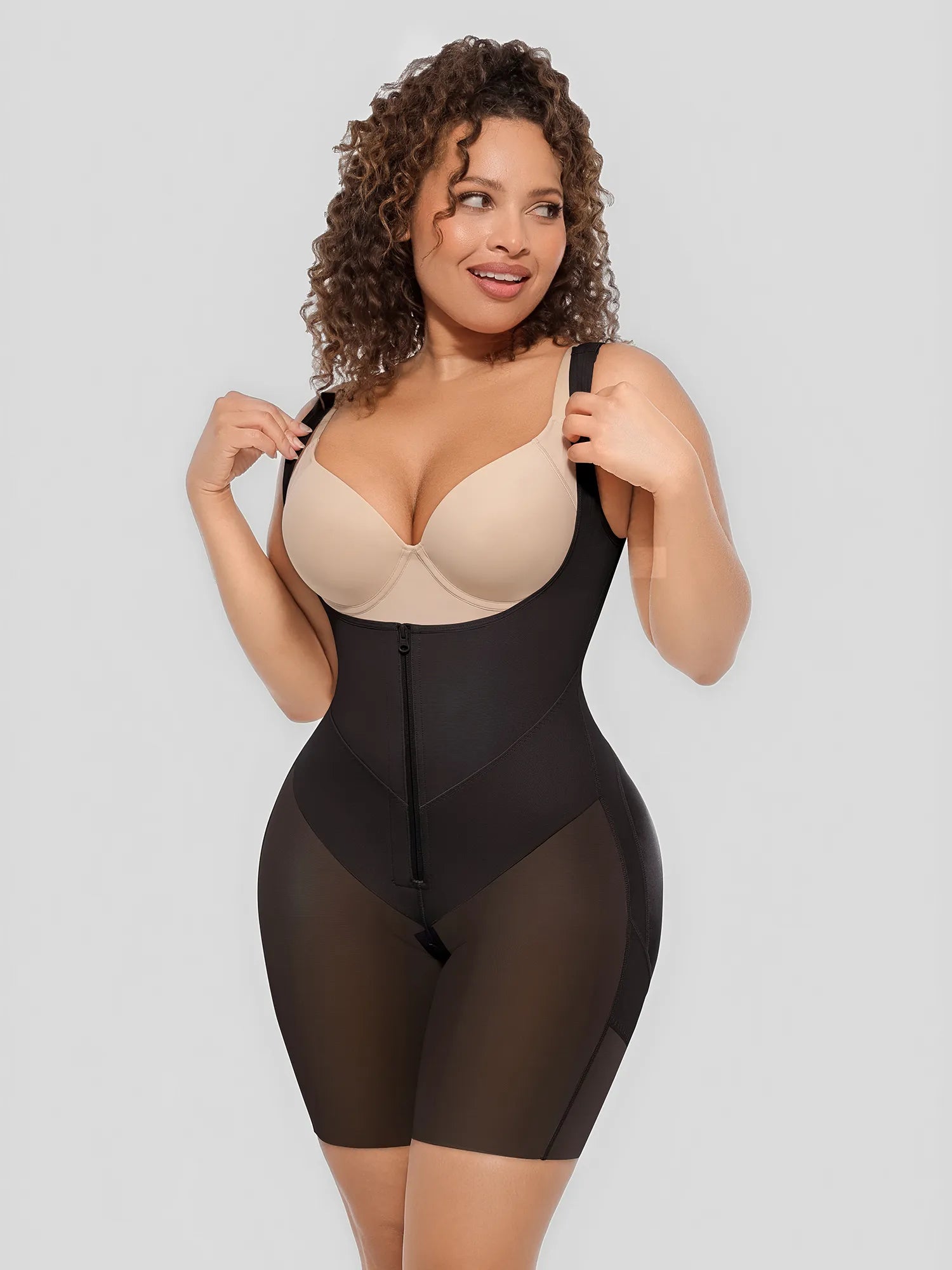
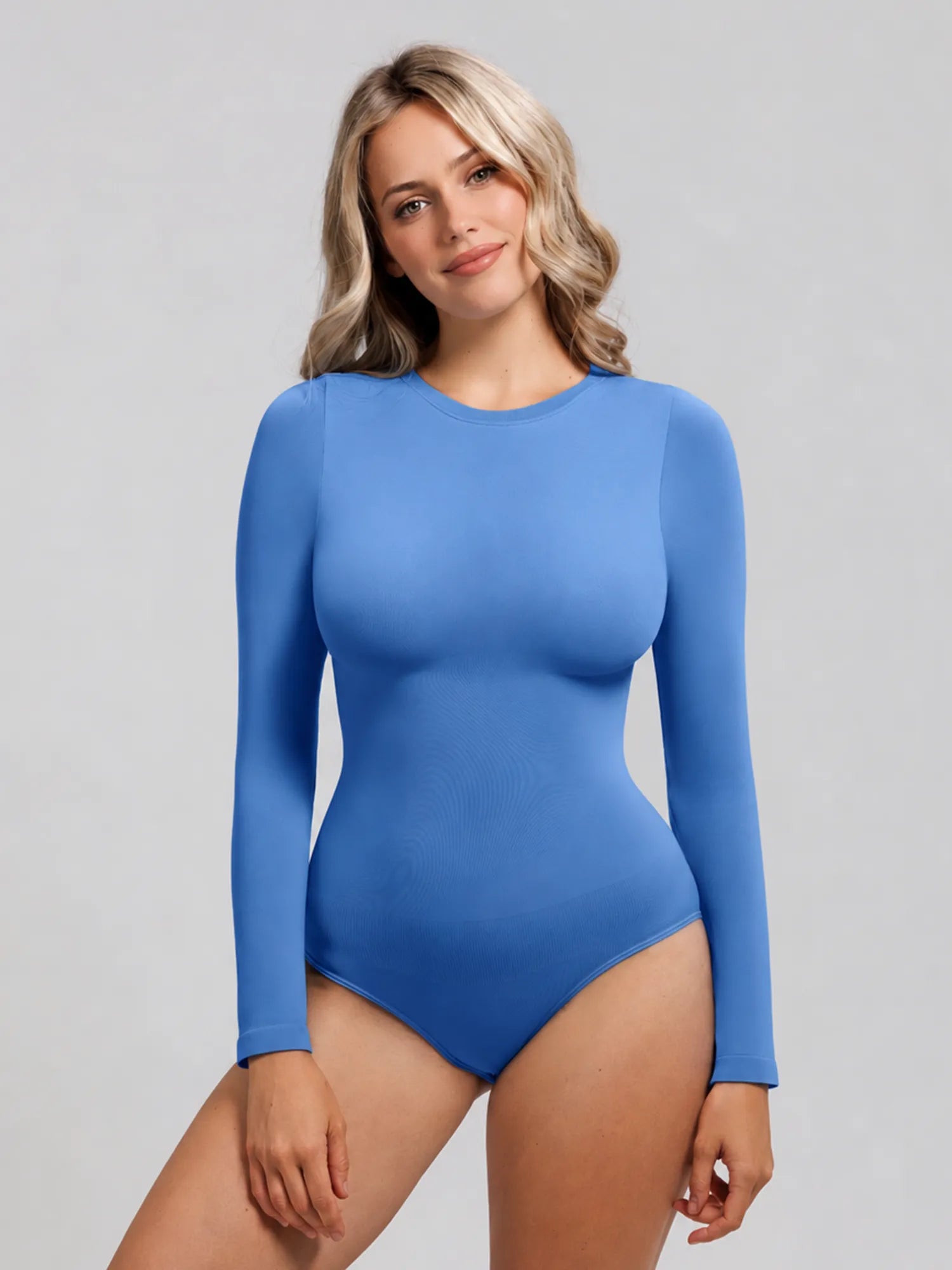
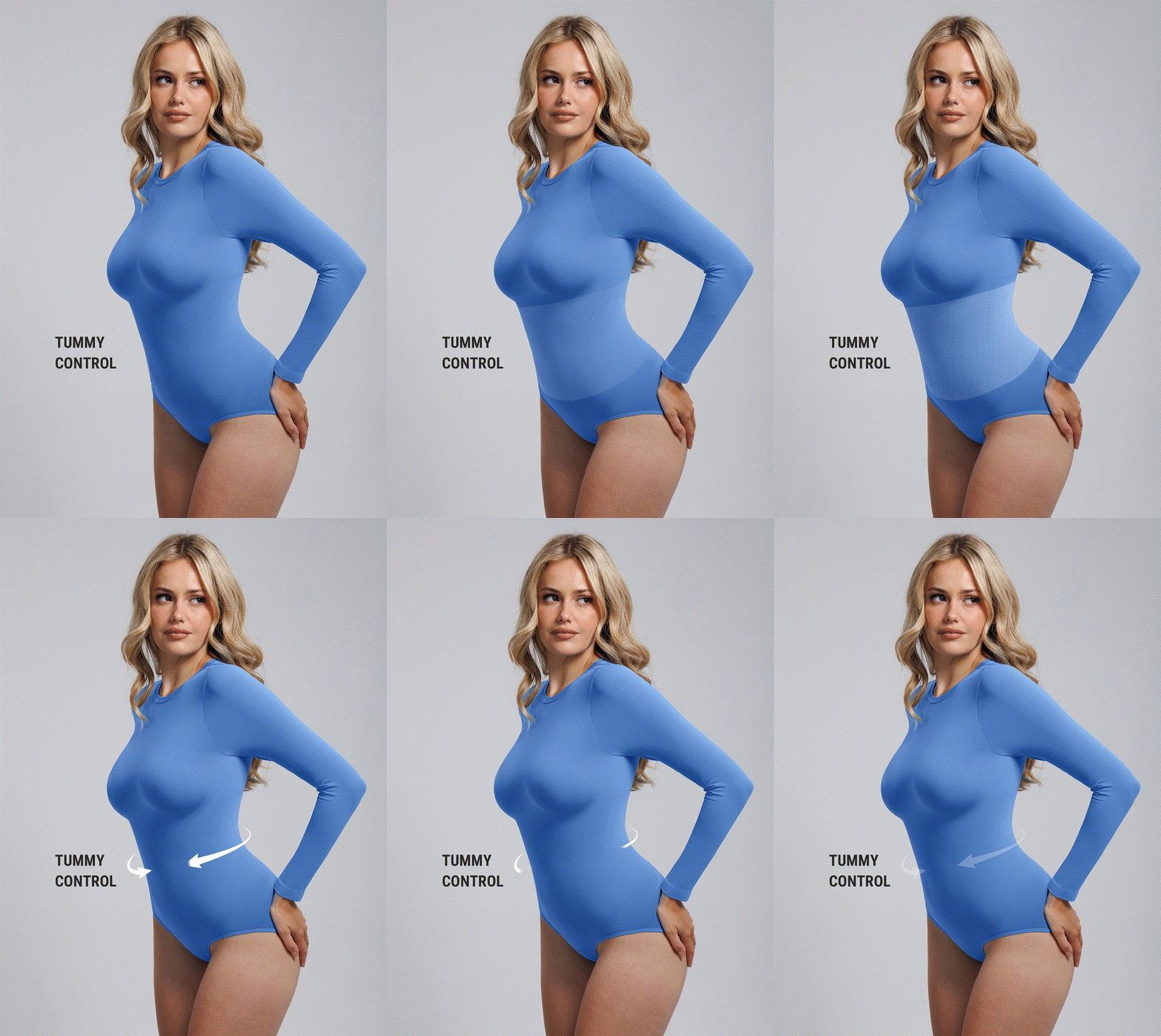
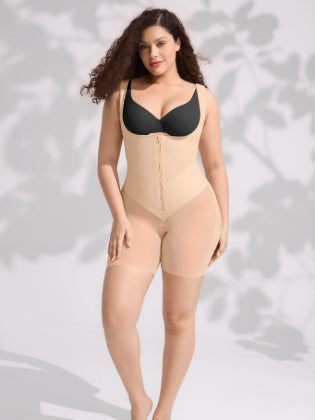
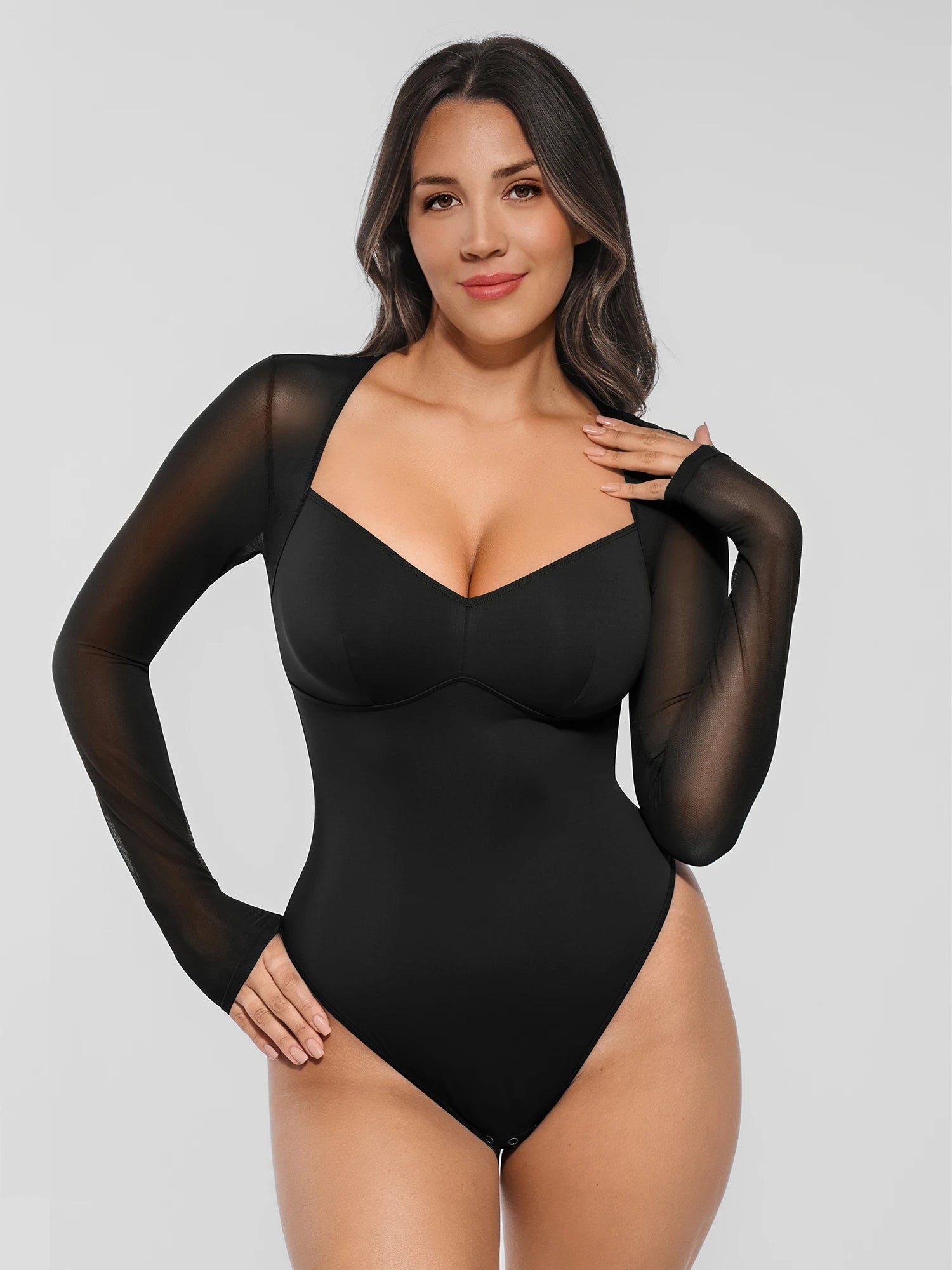
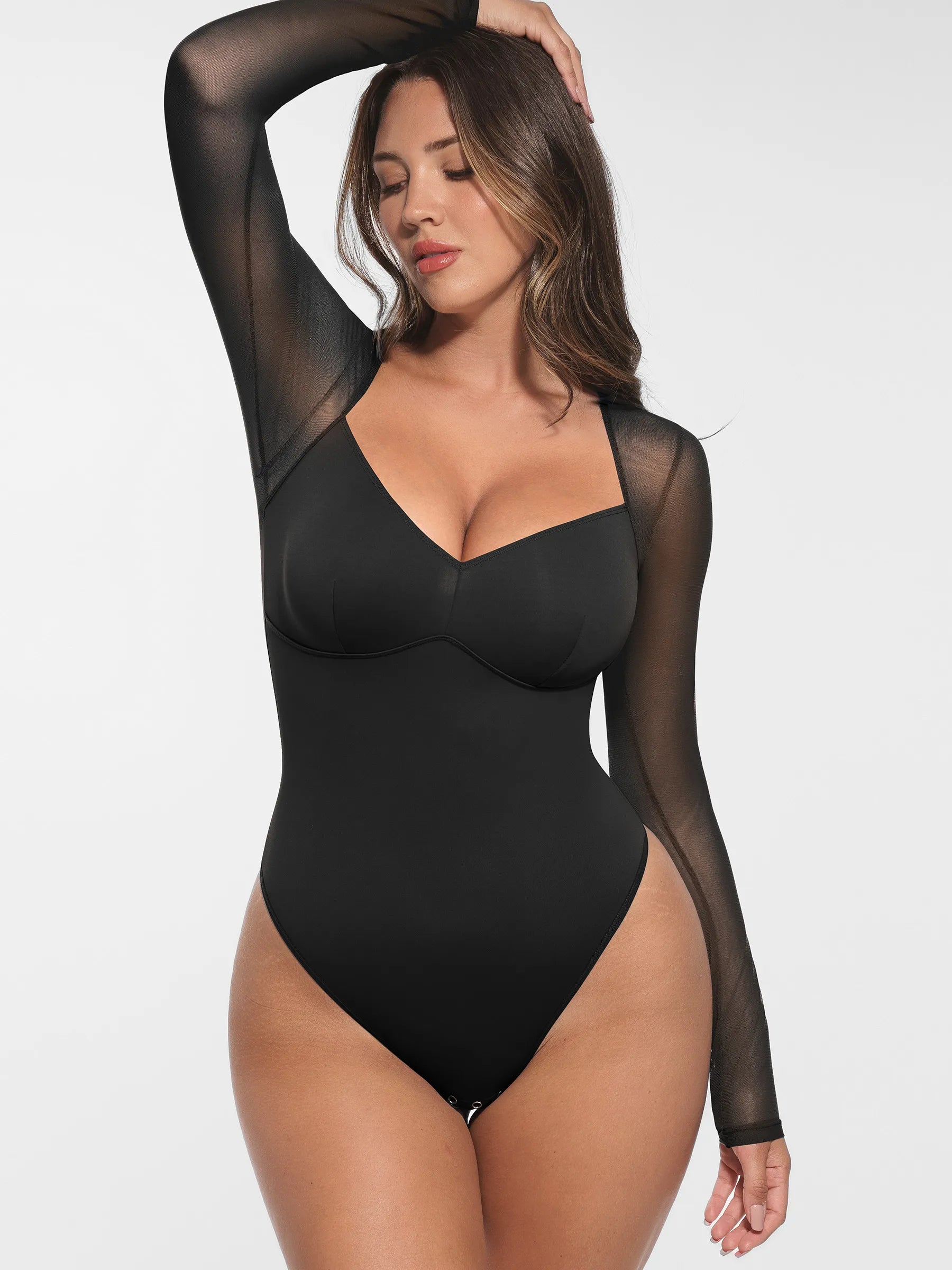
Bodysuits: The "all-in-one" solution that targets the tummy, waist, and bust, often featuring a U-shape to allow you to wear your own bra.
Thigh Slimmers: Perfect for wearing under skirts or dresses to prevent chafing and smooth the hips.
What Is a Waist Trainer?

A waist trainer is a more heavy-duty garment compared to standard shapewear. It is specifically designed to cinch the waist tightly and provide a more dramatic, semi-permanent hourglass shape through consistent use.
How a Waist Trainer Works
Waist trainers are typically made from thick, durable materials like latex or neoprene and reinforced with "boning," which are flexible metal or plastic stays. They work by applying high-tension compression to the midsection. This physical restriction pulls the waist inward, providing an immediate and significant reduction in waist circumference while also encouraging better posture.
Common Types of Waist Trainers
Choosing a waist trainer depends on your activity level and the level of compression you desire:
Latex Cinchers: These provide the most classic "hourglass" look and are often worn under daily outfits.
Fitness Belts: Usually made of neoprene, these are designed to be worn during workouts to increase thermal activity and perspiration around the core.
Triple-Wrap Belts: These offer adjustable layers of compression, allowing you to tighten specific sections of your waist as you progress in your training journey.
Waist Trainer vs Shapewear: Quick Comparison Table
|
Feature |
Waist Trainer |
Shapewear |
|
Main purpose |
Defines the waist |
Smooths and shapes the body |
|
Compression level |
Usually firm to extra firm |
Light to firm, depending on style |
|
Coverage |
Mostly waist and tummy |
Tummy, hips, thighs, back, bust, or full body |
|
Best for |
A more cinched waist look |
A smoother outfit fit |
|
Daily comfort |
Less comfortable for long wear |
Usually better for everyday wear |
|
Visibility |
May show under fitted clothes |
Often more discreet |
|
Flexibility |
More structured |
More flexible and movement-friendly |
Key Differences You Should Know
Both waist trainers and shapewear can help you look more put together, but the better choice depends on how much compression you want and where you need support.
Compression Level
Waist trainers usually offer stronger compression than regular shapewear. They are made to cinch the waist, so they feel tighter and more structured.
Shapewear can range from light smoothing to firm control. This makes it more flexible for different situations.
Body Coverage
Waist trainers mainly focus on the waist and stomach area. They do not usually smooth the hips, thighs, or bust area unless you choose a vest-style trainer.
Shapewear offers more coverage options. A bodysuit can smooth the torso. Shaping shorts can smooth the waist, hips, and thighs. A shaping panty can target the lower belly.
Wear Duration
Shapewear is generally easier to wear for several hours because it is more flexible. Many people wear it to work, dinner, weddings, or daily activities.
Waist trainers are usually better for shorter wear periods. Because they create stronger pressure, they may become uncomfortable if worn too long.
Visibility Under Clothes
Shapewear is often designed to be invisible under clothing. Seamless edges, smooth fabric, thong cuts, and bodysuit designs can help reduce lines.
Waist trainers can be more noticeable because they are thicker and more structured. Hooks, seams, boning, or Velcro closures may show under thin or tight fabrics.
Comfort And Flexibility
Shapewear is usually more comfortable for everyday movement. It stretches with your body and allows more flexibility when walking, sitting, or bending.
Waist trainers feel firmer and more restrictive. They may help you maintain a straighter posture, but they can also limit movement if they are too tight.
Choose Based On Your Goal
The best option depends on what you want the garment to do. Some people need stronger waist definition, while others simply want smoother lines under clothes.

For A More Defined Waist
A waist trainer is usually the better choice if your main goal is a more defined waistline. It provides stronger compression around the midsection and can create a more cinched look while worn.
The Feelingirl Triple Wrap Tummy Control Waist Trainer Belt is designed for adjustable waist compression, which makes it easier to control the fit throughout the day. The triple-wrap design supports targeted tummy control and gives the waist a more sculpted appearance without needing a full-body garment.
For Smoother Outfits
Shapewear is usually the better choice when your goal is to make clothes look smoother. It helps reduce lines, support the tummy, and create a more even shape under dresses, skirts, pants, or jumpsuits.
The Feelingirl U-Shaped Tummy Control Butt Lift Shaper Bodysuit offers full torso shaping while also supporting the lower body. Its bodysuit design helps smooth the tummy and waist, while the butt-lift structure helps create a more balanced shape under fitted outfits.
For Everyday Comfort
For daily wear, shapewear should feel supportive but not overly tight. A piece that is too firm can become uncomfortable after sitting, walking, or working for several hours.
The Feelingirl Wide V Neck Belt High Waist Shaping Pants are better suited for everyday smoothing because they focus on comfort, waist support, and a cleaner fit under regular outfits. The high-waist design helps shape the tummy area, while the pants style can smooth the waist, hips, and lower body more naturally.
Tips For Wearing Waist Trainers And Shapewear Comfortably And Safely
The right garment can make your outfit look better, but the wrong fit can cause discomfort. These tips can help you get support without overdoing it.
Choose The Right Size From The Start
The biggest mistake people make is buying a size too small, thinking it will provide more compression. This actually causes the garment to roll down, create bulges at the edges, and can even cause bruising. Always use a soft measuring tape to check your current waist and hip measurements against the brand's specific size chart.
Do Not Wear Them Too Tight
You should always be able to breathe deeply and move your arms freely. If you feel any sharp pains, shortness of breath, or numbness in your legs, the garment is too tight. Modern compression wear is designed to work with your body, not against it.
Limit Wear Time And Listen To Your Body
If you are new to waist training, do not try to wear it for a full day right away. Start with short intervals. For shapewear, even though it is comfortable, it is still a good idea to give your skin a break at night. Maintaining good skin hygiene and allowing your muscles to move naturally is vital for long-term health.
Final Thoughts
There is no "one size fits all" answer when choosing between a waist trainer and shapewear. If you want a smooth, seamless look for daily life, shapewear is your go-to. If you are focused on core support and waist sculpting, a waist trainer is the superior tool. Many women find that having both in their wardrobe allows them to be prepared for any outfit or occasion.
Frequently Asked Questions
Is Shapewear Better Than A Waist Trainer?
Shapewear is better for everyday smoothing, outfit support, and comfort. A waist trainer is better when you want stronger waist compression and a more cinched look. If you need something for daily wear, shapewear is usually the more practical choice.
Do Waist Trainers Actually Flatten Your Tummy?
Waist trainers can make your tummy look flatter while you are wearing them because they compress the midsection. However, they do not permanently flatten your stomach or replace healthy eating, exercise, and lifestyle habits. Think of them as a temporary shaping tool, not a long-term body change solution.
Can Shapewear Be Worn To The Gym?
Some shapewear is made for workouts, but regular fashion shapewear is not always ideal for exercise. If you plan to work out, choose breathable, flexible, sweat-friendly pieces that allow full movement. Avoid very tight compression during intense exercise because it can feel uncomfortable and limit your range of motion.
How Do I Stop Shapewear From Rolling Down?
To stop rolling, ensure you have the correct size. Most rolling happens because the garment is too small and is being pushed down by body movement. You can also look for pieces with silicone grip strips along the waistband or styles that hook onto your bra to keep them securely in place.