









What Is a Faja? How It Works and How to Choose One
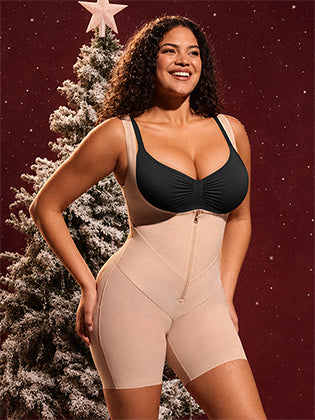
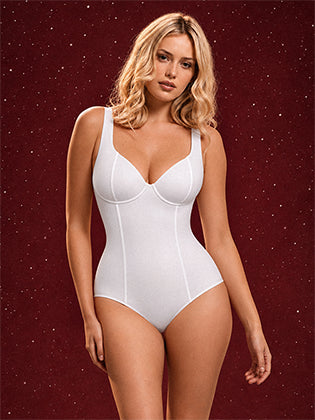
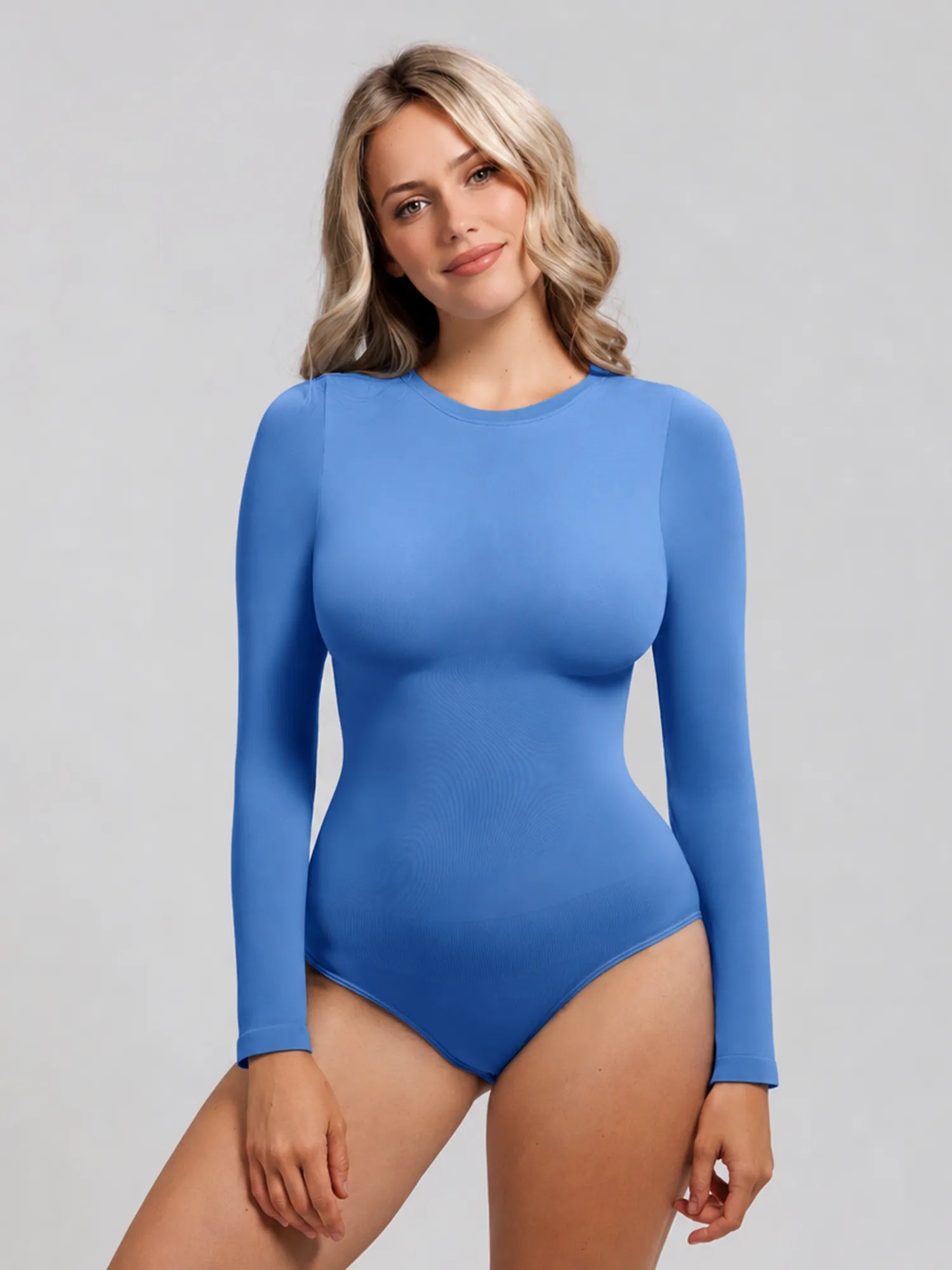
A faja is a close-fitting shaping garment that smooths areas such as your waist, stomach, hips, and thighs while you wear it. You'll often see the word used for structured shapewear, including styles with adjustable closures.
The tricky part is choosing one that works with your clothes. A faja that looks smooth under jeans may show through a thin dress or peek out beneath a short hem.
This guide shows you how fajas work, how to compare styles, and what to check during a try-on so you can choose one for your outfit.
What Is a Faja?
Faja is a Spanish word that can refer to a girdle, belt, or sash. In shapewear shopping, it usually describes a garment that fits closely around your midsection and may extend over your hips and thighs.
The name alone doesn't tell you how firm, long, or structured a garment will be. Check its coverage, compression description, closures, and size chart.
You'll also hear faja used for post-surgery compression garments. If you're shopping for recovery, your surgical team's instructions should guide your choice.
How Compression Smooths Your Shape
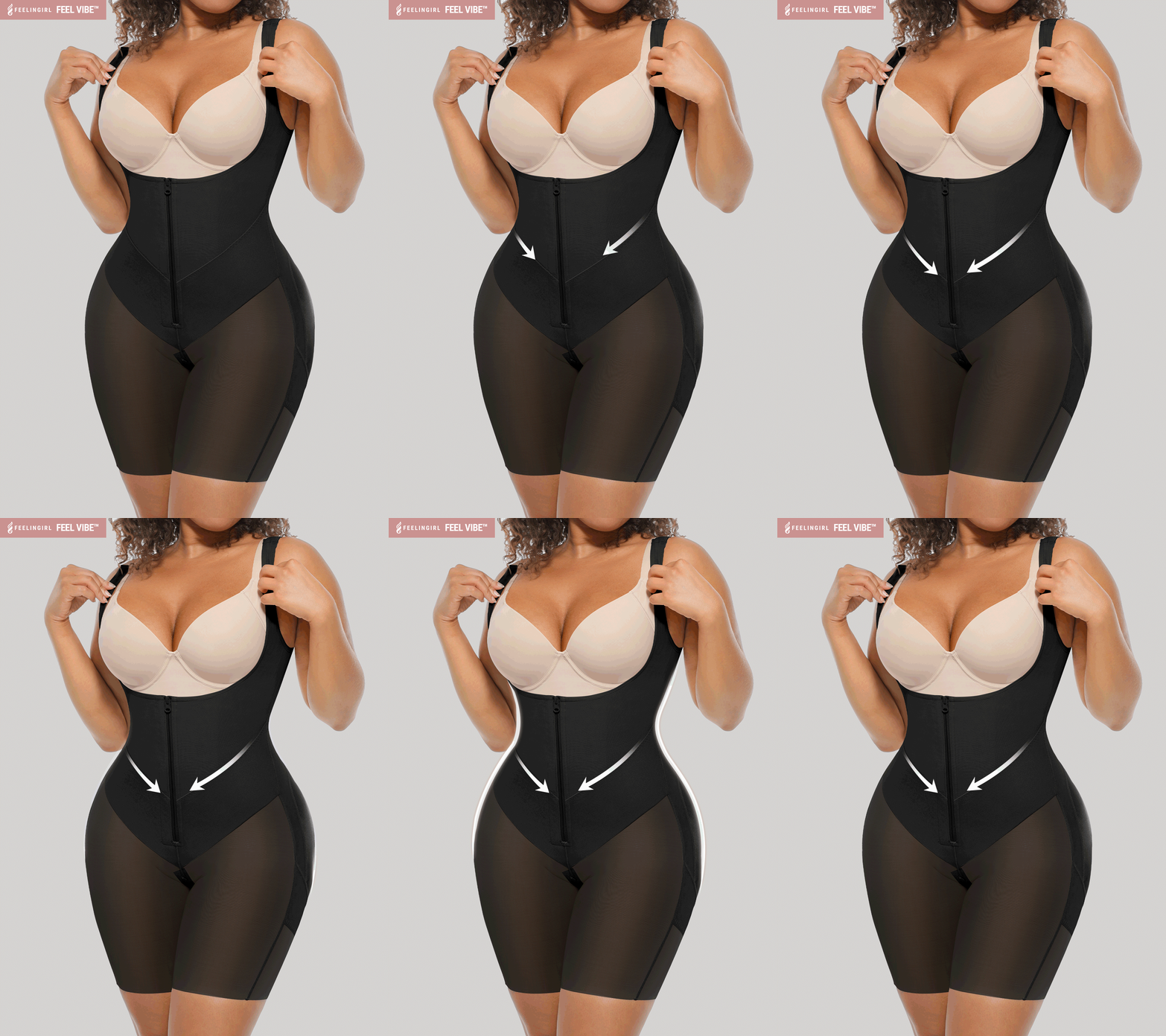
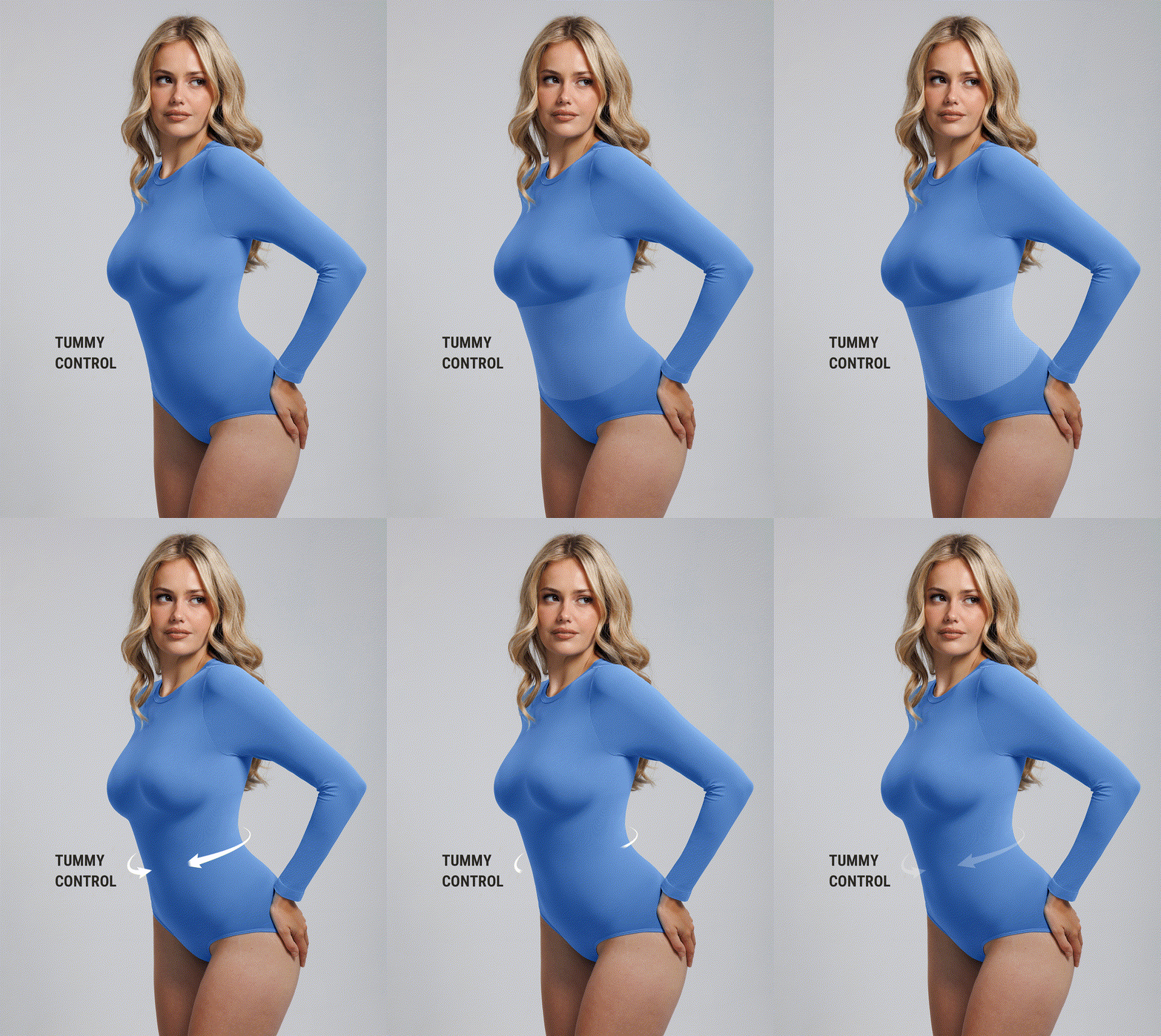
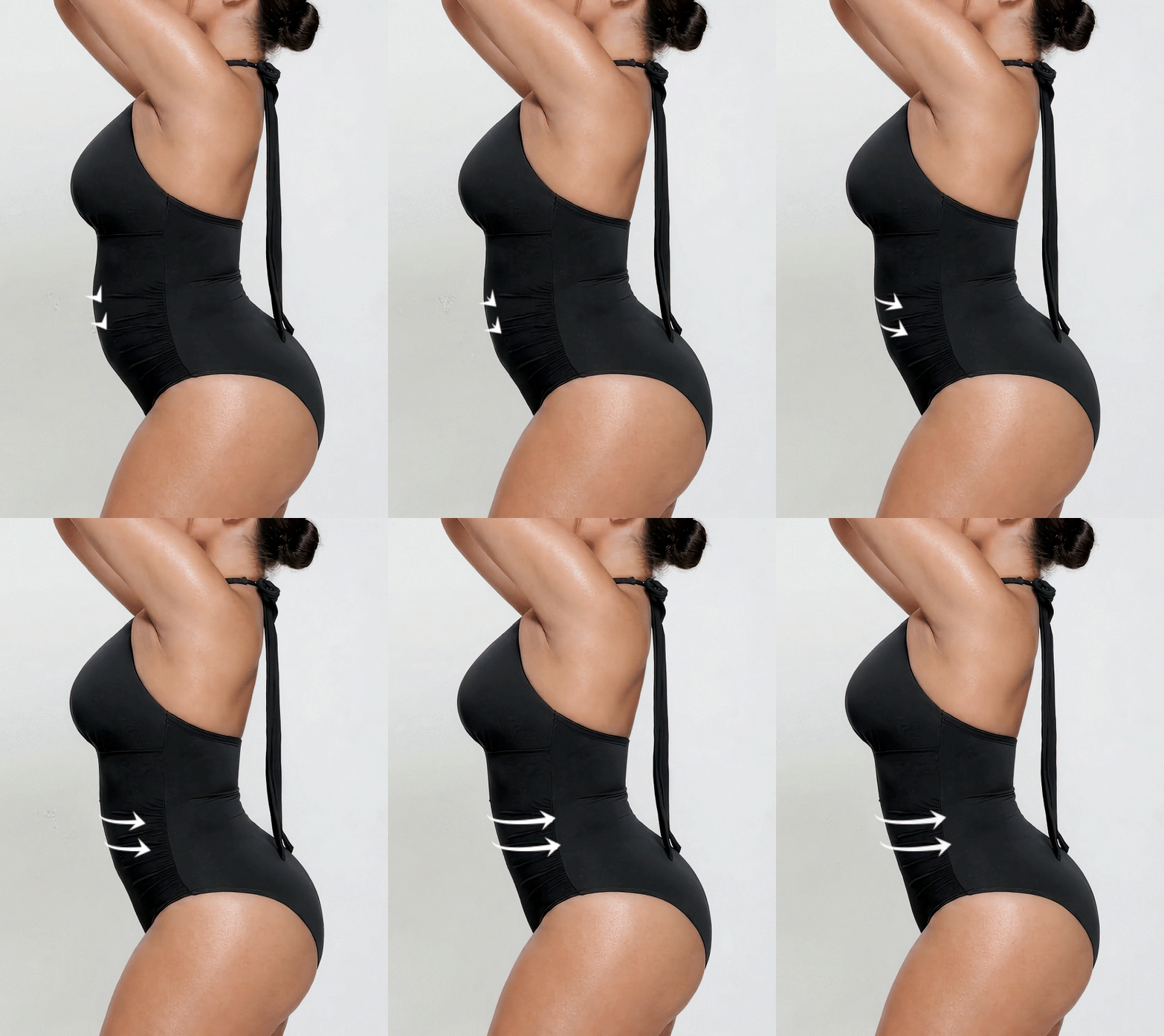
Compression is the pressure a garment applies as its fabric stretches around your body. A faja uses that pressure to hold the areas it covers close, creating a smoother outline beneath clothing.
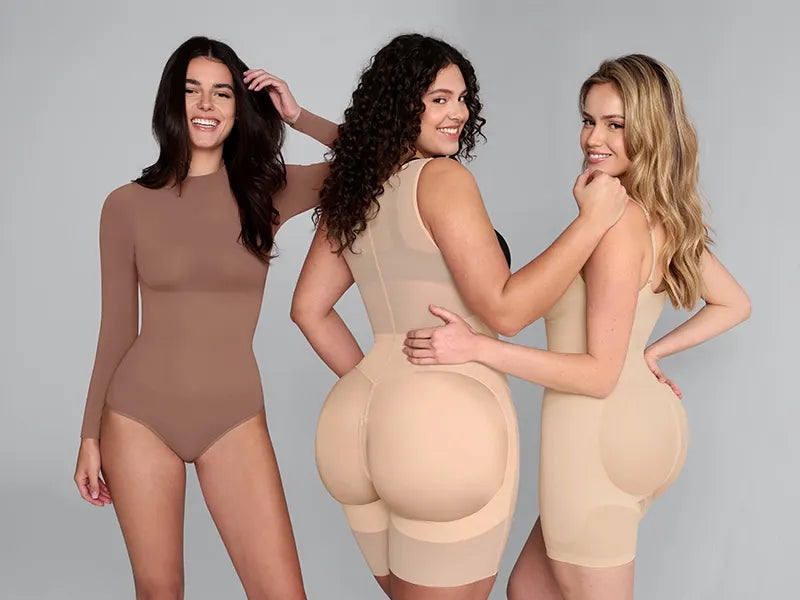
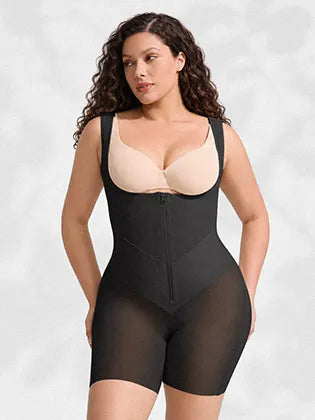
Coverage changes the result. A waist-focused style works mainly around your midsection. A longer faja also covers the hips and thighs, moving the lower edge farther down your leg.
To compare options, check three details on each product page.
-
Covered areas. Look at both front and back photos to see where the garment starts and ends.
-
Compression level. Read the description for that style, since levels vary between brands. If the labels are new to you, see how Feelingirl describes its compression levels.
-
Structure. Look for panels, seams, hooks, or zippers that may affect the fit and show through your outfit.
For example, if your dress fits closely through the hips, check that the faja's lower edge sits where it won't create a visible line.
What Happens When You Take It Off
A faja's shaping effect is temporary. Once you remove it, the garment stops applying pressure. Wearing one doesn't remove body fat or guarantee a lasting change in your waist size.
Judge the result by how your clothes look and feel while you're wearing it. For a useful comparison, try the same outfit with and without the faja, keeping your posture, lighting, and camera angle the same.
Check the front, side, and back. If your stomach looks smoother but a leg opening shows through, try a different leg length or edge finish.
Fajas vs. Waist Trainers and Seamless Shapewear
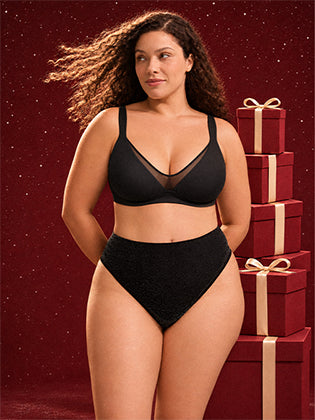
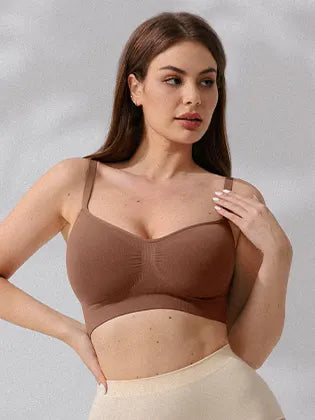
Fajas are part of the wider shapewear category. A seamless bodysuit may also offer shaping, while a waist trainer generally focuses on the midsection. Product names overlap, so compare the actual design.
|
Style |
Typical Coverage |
Main Fit Check |
|
Faja |
Midsection, with some designs covering the hips and thighs |
Check torso fit, leg length, and closure placement |
|
Waist Trainer |
Mainly the waist and stomach |
Check torso length and how it feels when sitting |
|
Seamless Bodysuit |
Torso and hips, with different neckline and bottom options |
Check the neckline, back height, and leg openings |
If you're comparing waist-focused designs, look through Feelingirl's waist trainer collection and check the length and closure details for each option.
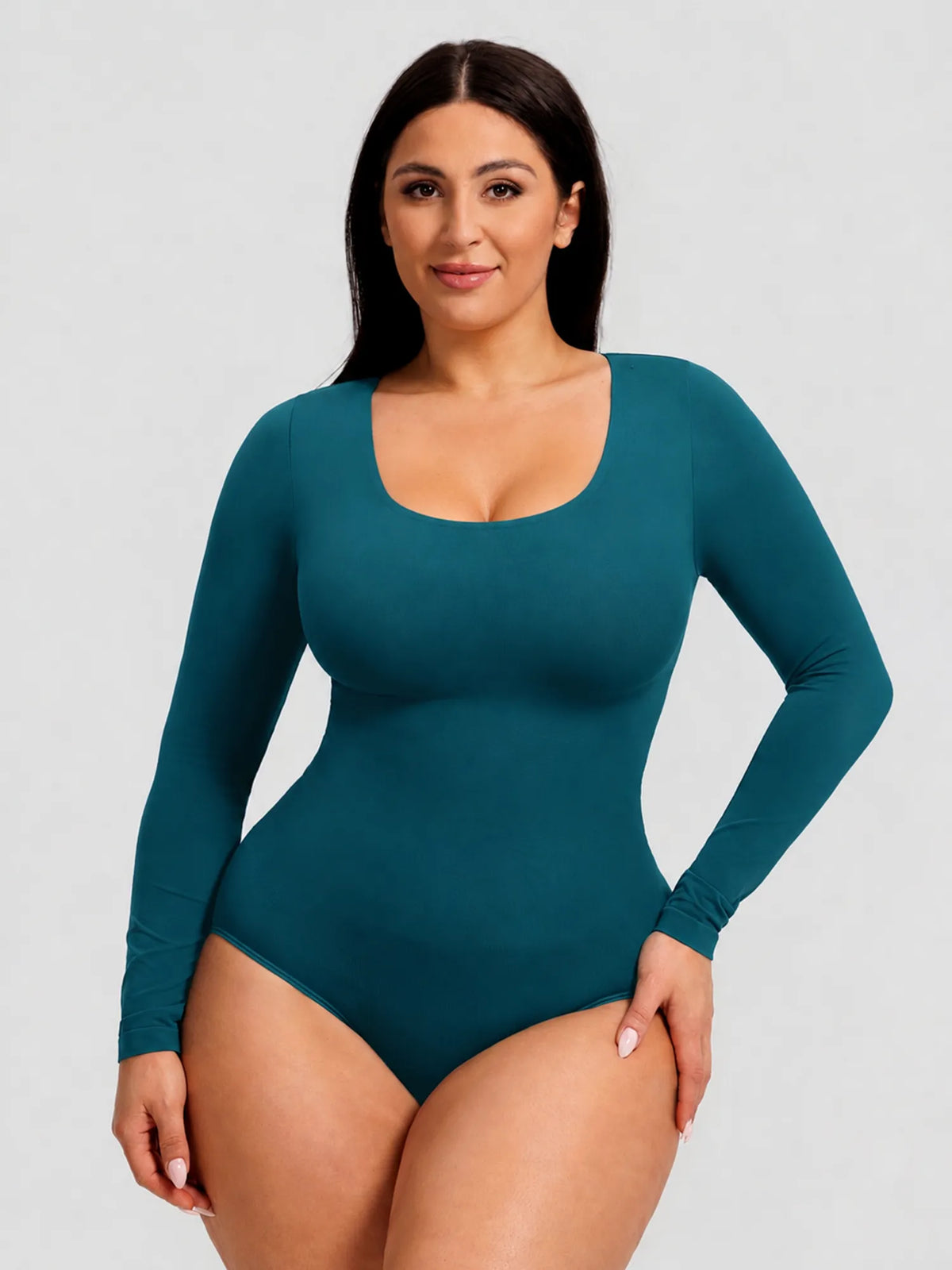
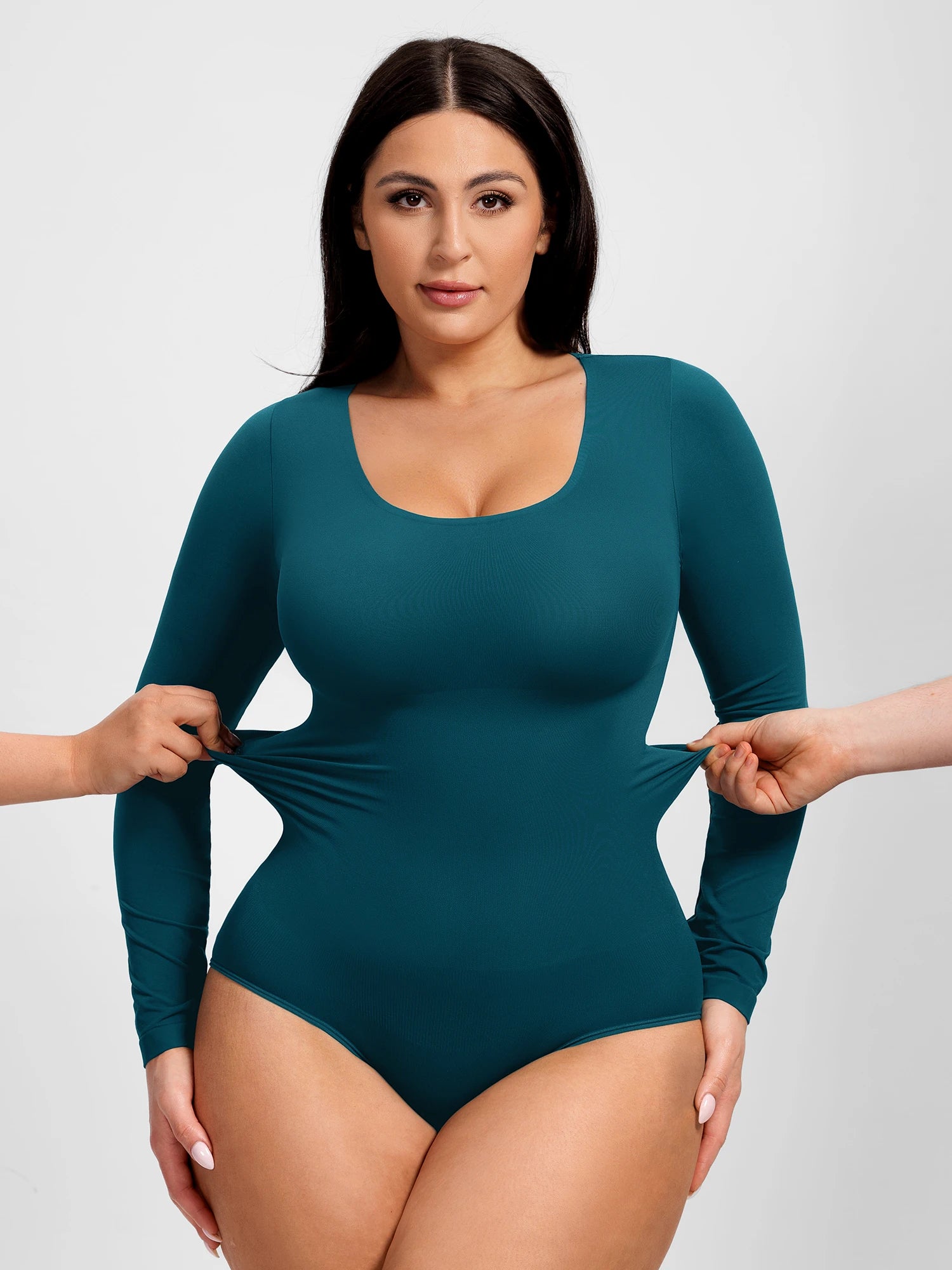
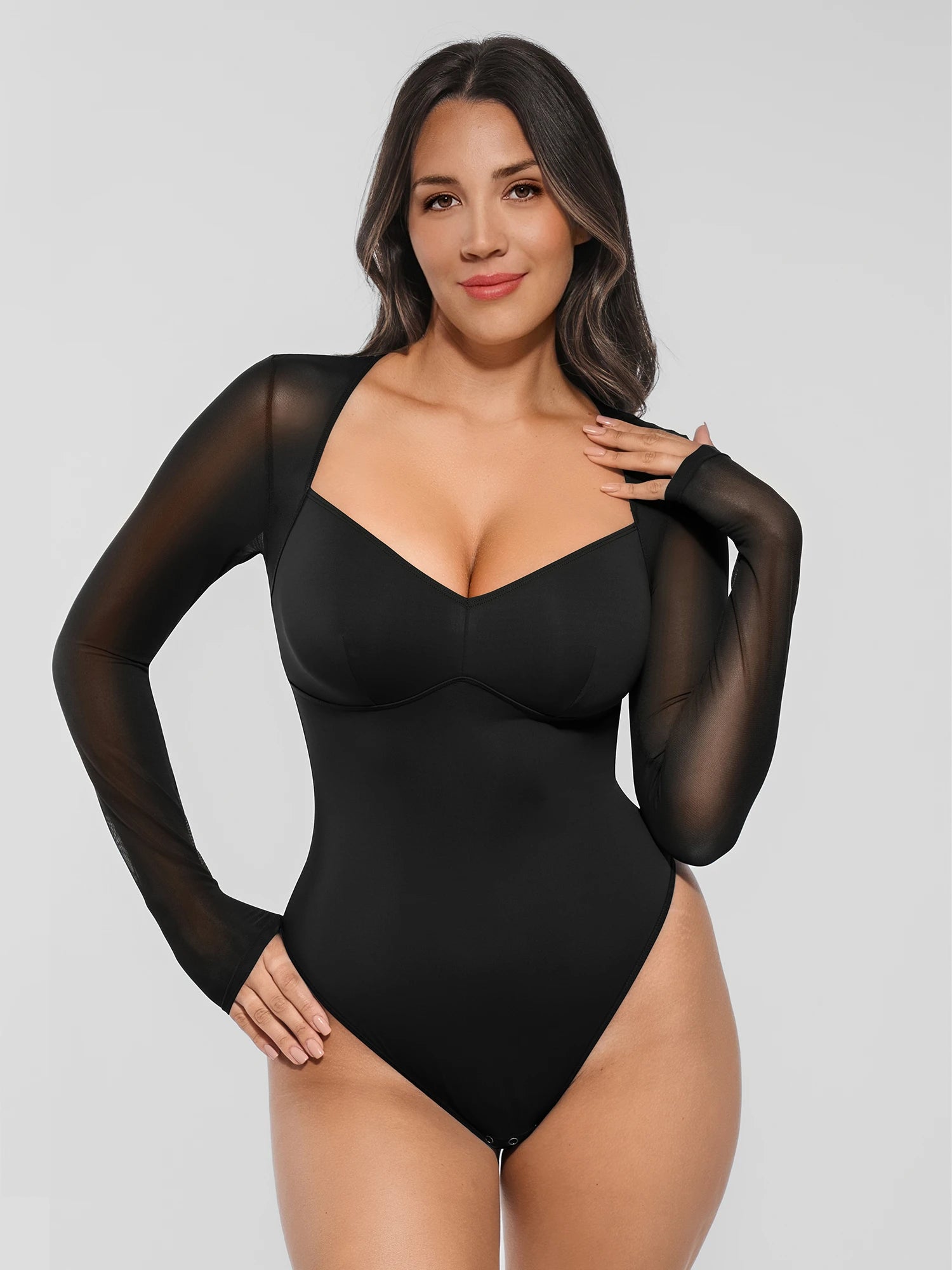
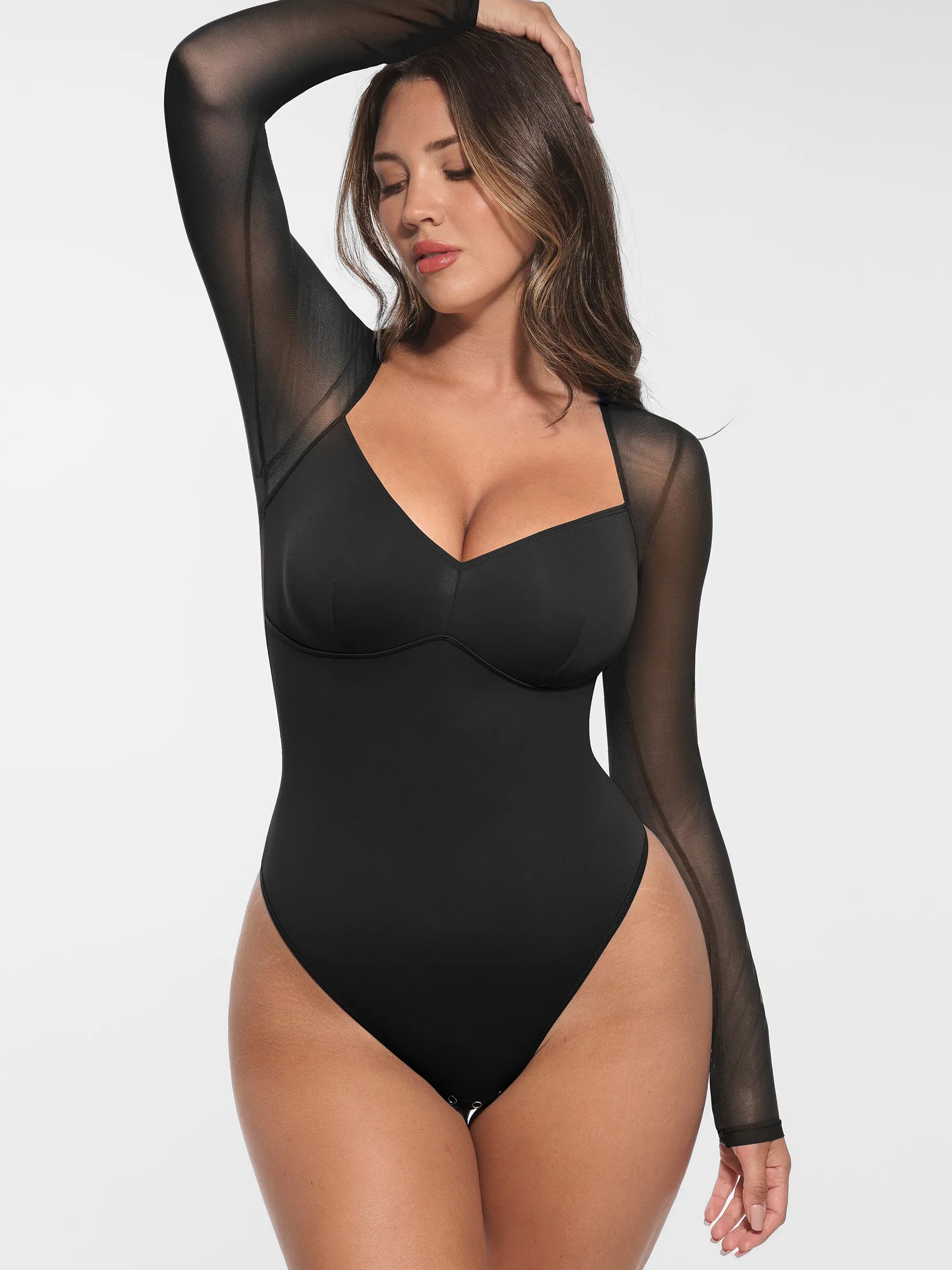
For a bodysuit layer beneath fitted clothes, compare the cuts in Feelingirl's seamless bodysuits collection. Seamless fabric can reduce visible seams, but straps, hems, and openings can still show. Always test the garment under the outfit you plan to wear.
Types of Fajas
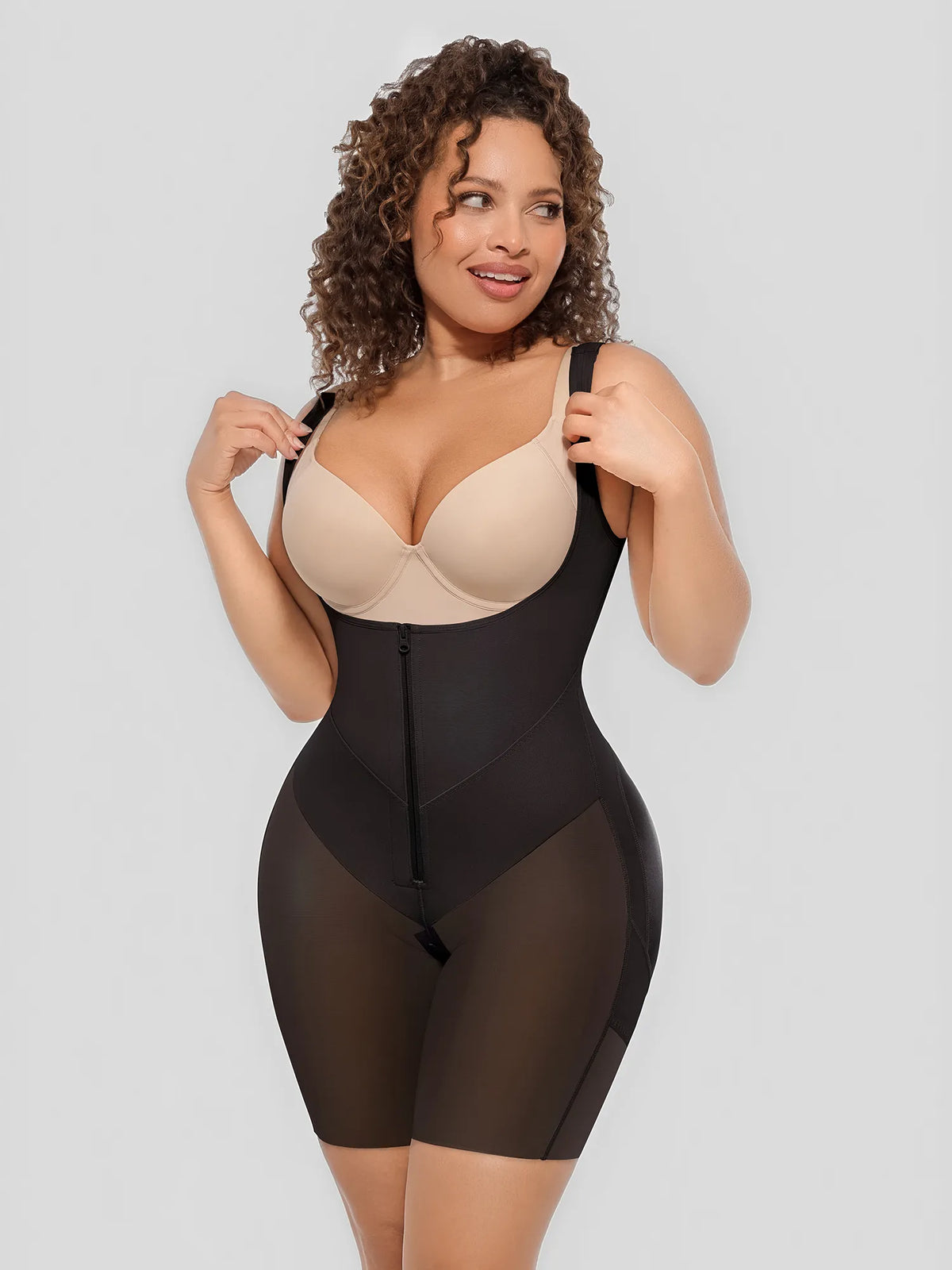
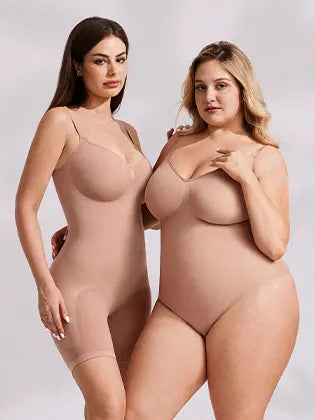
Compare leg length first, then check the bust design. These are separate choices, so an open-bust faja may also have short or longer legs.
|
Design Detail |
What It Covers |
What to Check |
|
Brief Cut |
Torso and hips, without extended legs |
Whether the leg openings show under fitted fabric |
|
Short Legs |
Torso, hips, and upper thighs |
Whether the legs stay hidden when you sit |
|
Longer Legs |
Torso, hips, and more of the thighs |
Whether the hem works with your skirt length or slit |
|
Open Bust |
Leaves room for your own bra |
Whether the upper edge, straps, and bra stay covered |
Design labels can overlap. A V-shaped faja describes the waist design, so you'll still need to check its leg length and bust coverage to see how it fits under your outfit.
A longer garment adds coverage, but it also needs enough room beneath your clothes. A shorter cut may suit a mini dress better, while a longer leg may work beneath an opaque midi dress.

How to Choose a Faja for Your Outfit

Start with the clothes you'll wear over it. Once you know the neckline, hem length, and fabric, you can narrow your choices without guessing.
Match the Neckline and Back to Your Outfit
Check the front and back of your dress or top before choosing a faja. A low neckline, wide armhole, or open back can reveal edges that stay hidden under a T-shirt.
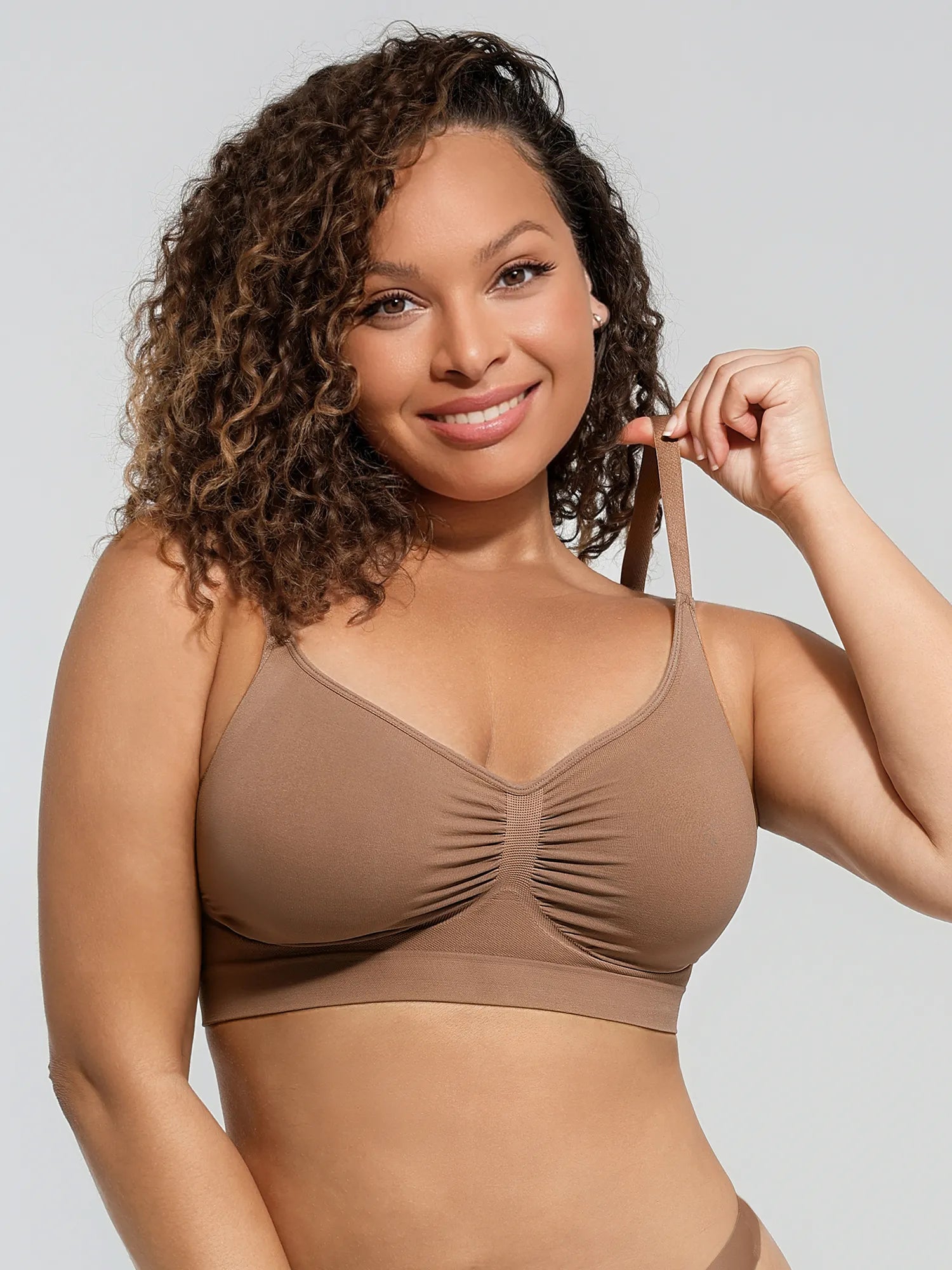
Try the full outfit together, including your bra if the faja has an open-bust design.
-
Check the neckline and back in a mirror.
-
Raise your arms and lean forward to see whether straps or edges appear.
-
Adjust the straps, if the design allows, and check again.
If an edge still shows, compare a lower neckline, lower back, or different strap placement. Pulling the garment out of position can make the rest of the fit feel wrong.
Choose Where You Want Coverage
Decide which part of the outfit needs a smoother layer. If the fabric clings around your waist and hips, compare designs that cover both areas. If it also fits closely through your thighs, look at leg length.
For a wedding guest dress with a slit, check the slit while walking and sitting. A leg that stays hidden when you're standing still may appear as soon as you move.
Choose a shorter style if the leg peeks out. If the shorter edge creates a line, compare a different finish or cut under that same dress.
Check What Shows Under Your Clothes
Thin knits and fitted dresses can reveal closures, seams, and hems. Choose with the outer fabric in mind, then confirm the result during your try-on.
Check the outfit in daylight from the front, side, and back. Sit down to see whether the waistband folds or a leg edge becomes more obvious. Under light or slightly sheer fabric, compare a shade close to your skin tone.
If something shows, identify the detail causing it.
-
Hooks or a zipper. Compare a style with a flatter closure or a different closure position.
-
A thigh line. Compare leg lengths or edge finishes.
-
Bunched fabric. Reposition the garment, then recheck its size and length if the folds return.
Change one thing at a time so you can see what improves the finish.
Pick a Compression Level You Can Move In
Choose the amount of hold you want from the product's compression description, then use its size chart to choose the size. Sizing down can add pressure and create an uneven fit.
Think about your plans. If you'll spend the evening seated at dinner, test the faja in a chair. If you'll be dancing, take a few longer steps and raise your arms.
You should be able to sit, walk, bend, and take a full breath comfortably. If the garment pinches or restricts normal movement, remove it and compare the fit, cut, or compression level before trying again.
How to Put On a Faja
Follow the instructions supplied with your garment. For a step-in design, work it into position gradually.
-
Open the fastenings. Undo hooks or zippers as the design allows.
-
Gather the lower fabric. Step in and ease the garment over your legs and hips using small adjustments.
-
Position the crotch and leg openings. Make sure they sit comfortably before adjusting the torso.
-
Fasten and adjust. Close the garment and adjust any straps without pulling hard on seams or fastenings.
-
Smooth out folds. Check your waist, back, and thighs for bunched fabric.
-
Try your outfit over it. Sit and walk, then check that the faja stays covered.
If you have to force a closure or the garment hurts, take it off and check the sizing. Do your first try-on before the day you need it, leaving time to change the size or style.
Frequently Asked Questions
What if My Waist and Hips Fall Into Different Sizes?
Measure both again with the tape level and snug, without pulling it into your skin. Use the chart for the exact style. If your measurements still span sizes, follow that product's guidance or ask customer service which cut accommodates both.
How Do I Know if My Faja Is Too Tight?
A faja should feel snug and supportive while letting you sit, walk, bend, and breathe comfortably. Pinching or restricted movement means you should remove it and check the fit.
Take it off immediately if you feel pain, numbness, tingling, or trouble breathing. Seek medical advice if symptoms persist after removal. Severe breathing difficulty needs emergency care.
Why Does My Faja Roll Down?
Fit, torso length, waist position, or folded fabric can contribute to rolling. Put it on again and smooth it into place. If rolling continues, compare another waist height, length, or cut, and recheck the size.
Should I Wear Underwear Under a Faja?
Check the product's design and instructions. If you prefer underwear underneath, choose a pair that lies flat and check for visible edges. Test how both layers work with any bathroom opening before leaving home.
Can I Wear a Faja Every Day?
Comfort, fit, and the garment's instructions should guide everyday fashion use. Try it for a short period at home first, and remove it if it causes irritation or discomfort. Wash and dry it according to the care label.
Can I Wear a Regular Faja After Surgery?
Ask your surgeon before using a fashion faja during recovery. Your surgical team should specify the garment, fit, compression, and wearing schedule for your procedure. Get their approval before changing styles or sizes.
Final Thoughts on Choosing Your First Faja
A faja smooths your shape through compression while you wear it. The effect is temporary, and the right choice depends on how the garment fits both your body and your outfit.
Start with the coverage and cut your clothes allow, then check the style's size chart and compression description. Try everything together before wearing it out. You should be able to sit, walk, bend, and breathe comfortably; if the garment pinches or limits movement, reconsider the fit.