







![Soutien-gorge confortable, lisse et sans coutures [BOGO]](http://feelingirl.com/cdn/shop/files/FeelingirlSmoothSeamlessComfortWirelessBra_10.jpg?v=1754978984&width=200)
![Soutien-gorge confort sans armatures et à larges bretelles [BOGO]](http://feelingirl.com/cdn/shop/files/Feelingirl-Seamless-No-Underwire-Full-Coverage-Bra-BN7_3.webp?v=1763022723&width=200)
![Body gainant décolleté en V [BOGO]](http://feelingirl.com/cdn/shop/files/Feelingirl-2-Pack-Deep-V-Neck-Tummy-Control-Shapewear-Bodysuit-Bundle-2.jpg?v=1760440141&width=200)
![Body extensible en dentelle à col en V [BOGO]](http://feelingirl.com/cdn/shop/files/VAZ6072_b9080231-46ec-4596-bb8f-1cfc544dac28.jpg?v=1768300761&width=200)
![Body gainant sans coutures Feelingirl [BOGO]](http://feelingirl.com/cdn/shop/files/Feelingirl-Tummy-Control-Seamless-Bodysuit-BK1_1_47d5ef8d-82e0-4c0b-974e-a6c4ba42defe.webp?v=1755827879&width=200)
![Seamless Ultra-Soft Long-Sleeve Bodysuit [BOGO]](http://feelingirl.com/cdn/shop/files/Feelingirl-Seamless-Ultra-Soft-Crew-Neck-Bodysuit-BN06_1.webp?v=1775128063&width=200)
![Soutien-gorge push-up sans armatures, confort et couvrance totale [BOGO]](http://feelingirl.com/cdn/shop/files/Feelingirl_Wireless_Push-Up_Seamless_Comfort_Full_Coverage_Bra-SK3_2_e6cf8af6-7bb4-4f21-b29d-1dff867611b3.jpg?v=1760334977&width=200)
![Débardeur gainant à soutien poitrine [BOGO]](http://feelingirl.com/cdn/shop/files/Feelingirl_Bust_Support_Waist_and_Abdomen_Control_Shape_Tank_Top_Three-Piece_Bundle-BK1f-2.jpg?v=1774336655&width=200)
![Butter-Soft Strapless Bandeau Bra [BOGO]](http://feelingirl.com/cdn/shop/files/Feelingirl-FEELSOFT_-Butter-Soft-Strapless-Bandeau-Bra-BK01_1.webp?v=1767494768&width=200)
![Body gainant ventre plat sans coutures à manches longues [BOGO]](http://feelingirl.com/cdn/shop/files/Feelingirl_Seamless_Long_Sleeve_Tummy_Control_Thong_Bodysuit_BK001_3.webp?v=1759124797&width=200)
![Body slim sans couture Feelingirl pour sortir [BOGO]](http://feelingirl.com/cdn/shop/files/Feelingirl-Seamless-Slim-Tank-Bodysuits-Outfits-for-Going-Out-BK1f6.jpg?v=1775130747&width=200)
![Robe mi-longue gainante sans coutures Feelingirl [BOGO]](http://feelingirl.com/cdn/shop/files/dress3_0f677c3e-8246-4fa3-866e-2ae18a0f405f.jpg?v=1746776837&width=200)
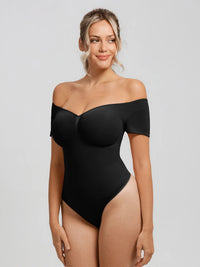
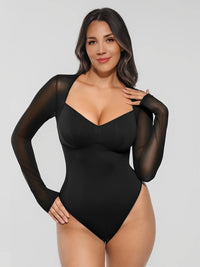
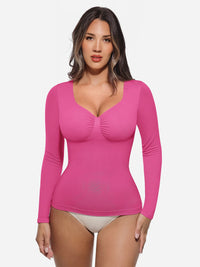
![Soutien-gorge non rembourré extensible et confortable Feelingirl [BOGO]](http://feelingirl.com/cdn/shop/files/Feelingirl_Comfort_Fit_Stretch_Non-padded_Bra-YH02_1.jpg?v=1775128593&width=200)
![Body gainant sans coutures avec fermeture éclair [BOGO]](http://feelingirl.com/cdn/shop/files/PVAZ8781.jpg?v=1775123073&width=200)
![Soutien-gorge invisible sans fil à col carré Feelingirl Everyday [BOGO]](http://feelingirl.com/cdn/shop/files/Feelingirl-everyday-wireless-invisible-square-neck-bra-BK1.jpg?v=1775128206&width=200)
![Deep V Metal Ring Ruched Sculpting Swimsuit [BOGO]](http://feelingirl.com/cdn/shop/files/FeelingirlBuilt-InPadsTummy-ControlRuchedSwimsuit-OG200-3.webp?v=1776520297&width=200)
![Seamless Built-In Bra Cami Top [BOGO]](http://feelingirl.com/cdn/shop/files/Feelingirl-Seamless-Built-In-Bra-Cami-Top-Black-3_a2c3f0ab-6d8e-438a-a1a9-090862c11a50.webp?v=1775127764&width=200)
![Lift Support Soft Wireless Bra [BOGO]](http://feelingirl.com/cdn/shop/files/7-3111640_2_-SK004.webp?v=1788746902&width=200)
![Culotte gainante taille moyenne Feelingirl [BOGO]](http://feelingirl.com/cdn/shop/files/Feelingirl-Mid-Waisted-Thong-Tummy-Control-Shaper-Panties-SK4_4_56e023ec-3e82-447c-abdd-71a50e2f7a0e.jpg?v=1775127398&width=200)
![Corset amincissant Feelingirl avec baleines en acier [BOGO]](http://feelingirl.com/cdn/shop/files/MT230408.webp?v=1789522286&width=200)
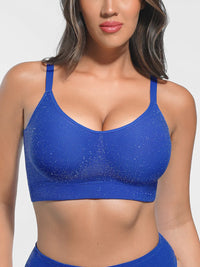
![Body Feelingirl à bretelles larges et col en V [BOGO]](http://feelingirl.com/cdn/shop/files/FullBodyWideStrapBra-FreeBodysuit_7.jpg?v=1775121499&width=200)
![Soutien-gorge de récupération post-opératoire Feelingirl Ultimate Comfort & Support [BOGO]](http://feelingirl.com/cdn/shop/files/Feelingirl-Ultimate-Comfort-_-Support-Post-Surgery-Recovery-Bra-BK1f_b6c71ce6-a3dd-4739-8352-2e116017cfdb.jpg?v=1745377591&width=200)
![Body sans couture Feelingirl Everyday Wear [BOGO]](http://feelingirl.com/cdn/shop/files/VAZ153-6.jpg?v=1775119418&width=200)
![Feelingirl Body string croisé sans coutures à dos nu gainant [BOGO]](http://feelingirl.com/cdn/shop/files/Feelingirl_Seamless_Crossover_Halter_Thong_Bodysuit_Shapewear_for_Everyday_Wear-BK1_2.webp?v=1789522227&width=200)
![Body sans coutures à manches longues et fermeture éclair [BOGO]](http://feelingirl.com/cdn/shop/files/FeelinGirl_Seamless_Long_Sleeve_Zipper_Thong_Bodysuit_8.jpg?v=1775122208&width=200)
How Do You Put On a Waist Trainer?
Putting on a waist trainer can feel tricky at first, especially when you are unsure about sizing, tightness, or where it should sit. This guide explains how to check the fit, fasten it correctly, wear it comfortably, and avoid common mistakes beginners often make.
Check Your Waist Trainer Before You Put It On
Before fastening your waist trainer, make sure the size, closure, and underlayer are right. A quick check helps you avoid pulling too hard, wearing it in the wrong position, or feeling unnecessary discomfort.
Confirm The Correct Size
Measure your natural waist and compare it with the brand’s size chart. The waist trainer should close on the loosest setting with firm pressure, but it should not require extreme pulling. If it digs into your ribs, rolls badly, or will not close, it is likely too small.
Identify The Closure Type
Check whether your waist trainer uses hooks, a zipper, wrap bands, or a combination of closures. Hook-and-eye styles should be fastened slowly, while zipper styles usually need the inner hooks secured first. Wrap styles allow more control over compression, so adjust the tension evenly.
What To Wear Underneath
A thin, fitted tank top or seamless camisole can make the waist trainer more comfortable. It helps reduce rubbing, absorb sweat, and prevent fabric from bunching. Avoid thick or loose tops, as they can create pressure points under the trainer.
How To Put On A Waist Trainer Correctly
Putting on a waist trainer correctly is mostly about placement, patience, and controlled tension. Do not rush the process. The trainer should be guided into place, not forced shut.
Start With The Loosest Hooks
Beginners should always start with the loosest row of hooks. This gives your body time to adjust to the compression and helps you avoid over-tightening from the start. The tighter rows are not meant for the first wear session. They are there for gradual adjustment over time.
Stand upright in front of a mirror and hold the waist trainer around your waist with the hooks facing forward. Make sure the inside lining is flat against your body. The trainer should not be twisted or folded.
Starting on the loosest hooks also makes it easier to check whether the size is correct. A new waist trainer should close with effort, but not with pain or extreme pulling.

Wrap It Around Your Natural Waist
Place the waist trainer around your natural waist, not too high under the bust and not too low over the hips. The center of the trainer should sit around the narrowest part of your torso.
A good placement should feel balanced. The top edge should not press into your ribs, and the bottom edge should not dig into your hip bones when you sit. When the trainer is positioned correctly, it can smooth the midsection more evenly and feel more stable during movement.
Use your hands to pull both sides forward evenly. Avoid pulling one side harder than the other, as this can make the trainer sit crooked and create uneven compression.
Fasten From The Bottom First
For hook-and-eye waist trainers, fastening from the bottom first can make the process easier. Secure the lowest hook, then work your way upward one hook at a time. This helps anchor the trainer and prevents the lower section from shifting while you close the rest.
Some people prefer starting at the middle, but beginners often find the bottom-up method easier because it gives the garment more structure as it closes. Keep your posture upright and avoid bending forward too much, since bending can make the hooks harder to align.
Close Each Hook Slowly
Take your time with each hook. Line up the hook and eye carefully, then close it before moving to the next one. Pulling too hard can stretch the fabric, strain the closure, or make the trainer feel uneven once it is fully fastened.
After every few hooks, pause and check the placement in the mirror. The trainer should stay centered on your torso. When it starts to tilt, twist, or pinch, adjust it before continuing.
A good rule is simple: slow fastening creates a smoother fit. Rushed fastening usually creates bunching, uneven pressure, and discomfort.
Zip It Up After The Hooks Are Secure
Some waist trainers include both hooks and a zipper. In this case, the hooks should be closed first. The zipper should not be used to pull the trainer together on its own.
Once the hooks are secure, hold the fabric close to the zipper and zip it up slowly. Avoid forcing the zipper over areas where the fabric is folded or under too much tension. When the zipper catches, stop and smooth the fabric before trying again.
The zipper should feel like a finishing closure, not the main source of compression.
Smooth The Fabric Into Place
After the waist trainer is closed, use both hands to smooth the fabric upward, downward, and around your sides. Check the front, back, and side seams in the mirror.
Once everything is smooth, take a few slow breaths and move around gently. This helps you notice whether the trainer feels wearable before you keep it on for a longer period.
How Tight Should A Waist Trainer Feel
A waist trainer should feel snug, firm, and supportive, but it should never feel painful. You should still be able to breathe, sit, and move comfortably while wearing it.
Know The Difference Between Snug And Too Tight
A snug fit feels like steady compression around your waist. A too-tight fit feels sharp, restrictive, or uncomfortable. More pressure does not mean better results, so avoid forcing the trainer onto a tighter setting too soon.
Check Whether You Can Breathe And Sit Comfortably
After putting it on, take a few deep breaths and sit down for a moment. If you can breathe normally and sit without strong digging or pinching, the fit is likely right. If the trainer rolls, presses into your ribs, or feels hard to tolerate, adjust the placement or loosen it.
Stop If You Feel Pain Or Numbness
Remove the waist trainer right away if you feel pain, numbness, tingling, dizziness, or shortness of breath. These are signs that the fit is too tight or the trainer is not placed correctly.
How Long Should A Beginner Wear A Waist Trainer
Beginners should build wear time slowly. Your body needs time to adjust to the feeling of compression, and starting too aggressively can make the experience uncomfortable.

Start With Short Wear Sessions
For the first few wears, try 30 minutes to 1 hour. Use this time to check whether the trainer feels comfortable when standing, sitting, and moving.
Increase Wear Time Slowly
Once short sessions feel comfortable, increase the time gradually. Add a little more wear time over several days instead of jumping into all-day use.
Remove It If Your Body Feels Stressed
Take it off if you feel overheated, restricted, dizzy, or uncomfortable. Your body’s comfort should guide how long you wear it, especially as a beginner.
Tips For Putting On A Waist Trainer More Easily
A waist trainer is easier to wear when you place it carefully, smooth the fabric as you go, and test the fit before keeping it on.
Use A Mirror To Check Placement
Stand in front of a mirror and make sure the trainer sits around your natural waist. The front closure should stay centered, and the top and bottom edges should look even. If it leans to one side, adjust it before fastening everything.
Smooth The Fabric As You Fasten It
Smooth the fabric as you close each section instead of waiting until the end. This prevents folds from getting trapped under the closure.
Use one hand to hold the trainer in place and the other hand to flatten the fabric. Pay attention to the lower abdomen, sides, and back, since these areas are more likely to bunch or roll.
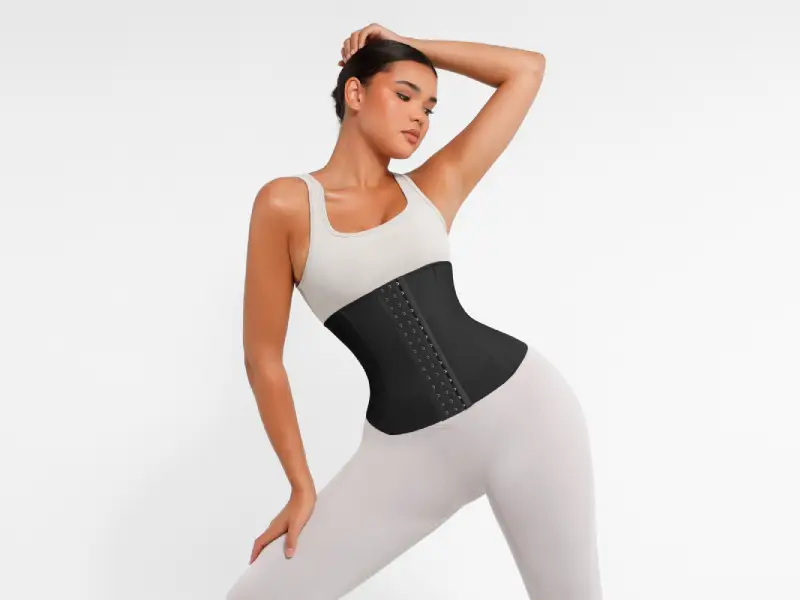
The Feelingirl Triple Wrap Tummy Control Waist Trainer Belt is a practical option for people who prefer adjustable compression. Its wrap-style design allows you to control the tension around the waist more gradually, which can make placement easier than forcing a rigid trainer closed all at once.
Test The Fit By Standing And Sitting
After fastening, stand straight, take a few breaths, then sit down. The trainer should feel snug and supportive, not painful or restrictive. If it digs into your ribs, pinches your hips, or makes breathing difficult, loosen it or remove it.
Final Thoughts
Putting on a waist trainer correctly starts with the right size and careful placement. Begin with the loosest hooks, position it around your natural waist, fasten it slowly, and smooth the fabric into place. It should feel snug and supportive, not painful or restrictive. For beginners, short wear sessions are the safest way to get comfortable.
FAQs About Putting On A Waist Trainer
Can A Waist Trainer Help With Rib Flare?
A waist trainer may temporarily compress the waist and lower torso, but it cannot permanently correct rib flare. For lasting improvement, posture work, breathing exercises, or professional guidance may be more helpful.
Do Waist Trainers Flatten The Tummy?
A waist trainer can temporarily smooth the tummy while you wear it, helping clothes look more fitted. It does not permanently flatten the stomach or replace healthy habits.
Can Waist Trainers Help With Back Pain?
Some people feel more supported when wearing a waist trainer, but it is not a treatment for back pain. If your pain is ongoing, sharp, or injury-related, speak with a healthcare professional.
What To Do If Your Waist Trainer Will Not Close?
Do not force it closed. Check that you are using the loosest hooks and placing it around your natural waist. If it still will not close comfortably, the size is likely too small.