






How To Machine Wash Bras Without Ruining Their Shape
Machine washing bras can be safe when you use the right settings and drying method. This guide explains which bras can go in the washer, what supplies to use, how to wash them step by step, and how to keep cups, straps, and elastic from losing shape. It also helps you decide when hand washing is the better choice.
Can You Machine Wash Bras Safely
Machine washing bras is possible, but it depends on the fabric, structure, and care label. Bras include elastic, hooks, straps, cups, and sometimes underwire, so the key is to reduce heat, friction, and pressure.
Know Which Bras Can Go In The Washer
Soft, simple bras usually handle machine washing best. Wireless bras, seamless bras, lightly lined bras, simple T-shirt bras, and sports bras without heavy padding are often safe on a gentle cycle in a mesh laundry bag.
Structured bras need extra caution. Lace bras, push-up bras, molded cup bras, underwire bras, and heavily padded bras can bend, snag, or lose shape more easily. When a bra feels delicate or highly shaped, hand washing is safer.
Check The Care Label First
Always check the care label before washing. If it says machine wash cold, you can use the washer with gentle settings. If it says hand-wash only, follow that instruction, especially for lace, padding, or underwire.
Also note warnings such as do not bleach, do not tumble dry, or lay flat to dry. Heat and harsh chemicals can weaken elastic.

Supplies You Need
You only need a few basic supplies to protect the fabric and help bras keep their shape.
Mesh Laundry Bag
A mesh laundry bag keeps hooks, straps, and bands from tangling with other clothes. It also reduces rubbing inside the washer.
Fasten the hooks before placing bras in the bag. Do not overfill it. Bras should sit loosely, especially if they have molded cups. Avoid folding one cup into the other because this can create dents.
Mild Detergent
Use a mild detergent made for delicates or sensitive skin. Bras collect sweat, body oil, deodorant, and lotion, but they do not need harsh cleaners.
Avoid bleach and fabric softener. Bleach can damage elastic, while fabric softener can coat stretch fibers and make them less supportive.
Set The Washer Correctly
Strong agitation can pull, twist, or crush bras, so choose the gentlest setup possible.
Cold Water Only
Cold water is the safest choice for most bras. It protects the elastic, color, and cup shape. Hot water can weaken bands and straps, and it may affect padding or molded cups.
If odor is a problem, wash bras sooner instead of using hot water.
Delicate Or Hand-Wash Cycle
Choose the delicate, gentle, or hand-wash cycle. These settings use slower movement and less aggressive spinning. Select low spin if your washer allows it.
Avoid heavy-duty, sanitize, or high-spin cycles. Bras do not need strong agitation to get clean, and harsh cycles can damage support features.
Light Load Size
Wash bras with lightweight items only, such as underwear, camisoles, thin tank tops, delicate sleepwear, or light activewear.
Avoid jeans, towels, hoodies, jackets, and items with zippers. Heavy clothing can crush cups, stretch straps, and pull on hooks.
How To Machine Wash Bras Step By Step
Once you know a bra can go in the washer, follow this simple routine to protect shape and support.
Use Cold Water
Set the washer to cold water. Fasten each bra, place it in a mesh laundry bag, and keep molded cups in their natural shape. Do not flatten or fold them before washing.
Choose A Delicate Cycle
Select a delicate or hand-wash cycle with low spin. A good setup is cold water, gentle movement, low spin, and a small load. For very sweaty bras, soak or hand wash first.
Add Mild Detergent
Add a small amount of mild detergent. Too much detergent can leave residue and make bras feel stiff or itchy. For a small load, use less than you would for a full clothing load.
Start A Small Load
Start the washer with bras and light garments only. Remove the bras right away. Leaving bras damp in the washer can cause odor and uneven cup shape.
Drying And Reshaping
Drying is where many bras get damaged. The safest method is to reshape the bra by hand and air dry without heat.
Gently Reshape Cups
After washing, smooth the cups with your hands. Press out small dents and adjust the lining so the cups return to their original shape.
Do not wring or twist bras. If they hold too much water, place them between clean towels and press gently.
Air Dry Flat Or Hang By Gore
Lay the bra flat on a clean towel or drying rack. You can also hang it by the center gore, which is the piece between the cups.
Do not hang wet bras by the straps because the water weight can stretch them. Never use the dryer. Heat can shrink elastic, warp cups, and damage padding.
Check For Residual Moisture
Before storing bras, make sure they are fully dry. Check padded cups, seams, the bottom band, and the hook area. If the bra feels cool or slightly damp, let it dry longer.
Machine Washing Tips By Bra Type
Different bra styles need different care. Adjust your washing method based on structure, fabric, and wear frequency.
Wash T-Shirt Bras In A Mesh Laundry Bag
T-shirt bras should look smooth under clothing, so protecting the cups is the priority. Wash them in a mesh bag with cold water and a delicate cycle. Remove them quickly and reshape the cups before air drying.
Use A Gentle Cycle For Wireless Bras
Wireless bras are often easier to wash because they do not have metal underwire. Many are made with soft, flexible fabrics that handle gentle machine washing well.
Still, use a mesh bag, cold water, and mild detergent. This helps protect the band, straps, and stretch fabric.
Hand Wash Bras With Lace, Padding, Or Underwire When Possible
Lace, padding, and underwire need extra care. Hand washing is usually best for these bras, especially for delicate or special occasion styles.
To hand wash, soak the bra in cool water with mild detergent, move it gently through the water, rinse well, press out water with a towel, reshape it, and air dry.
Pick Easy-Care Bras For Daily Wear

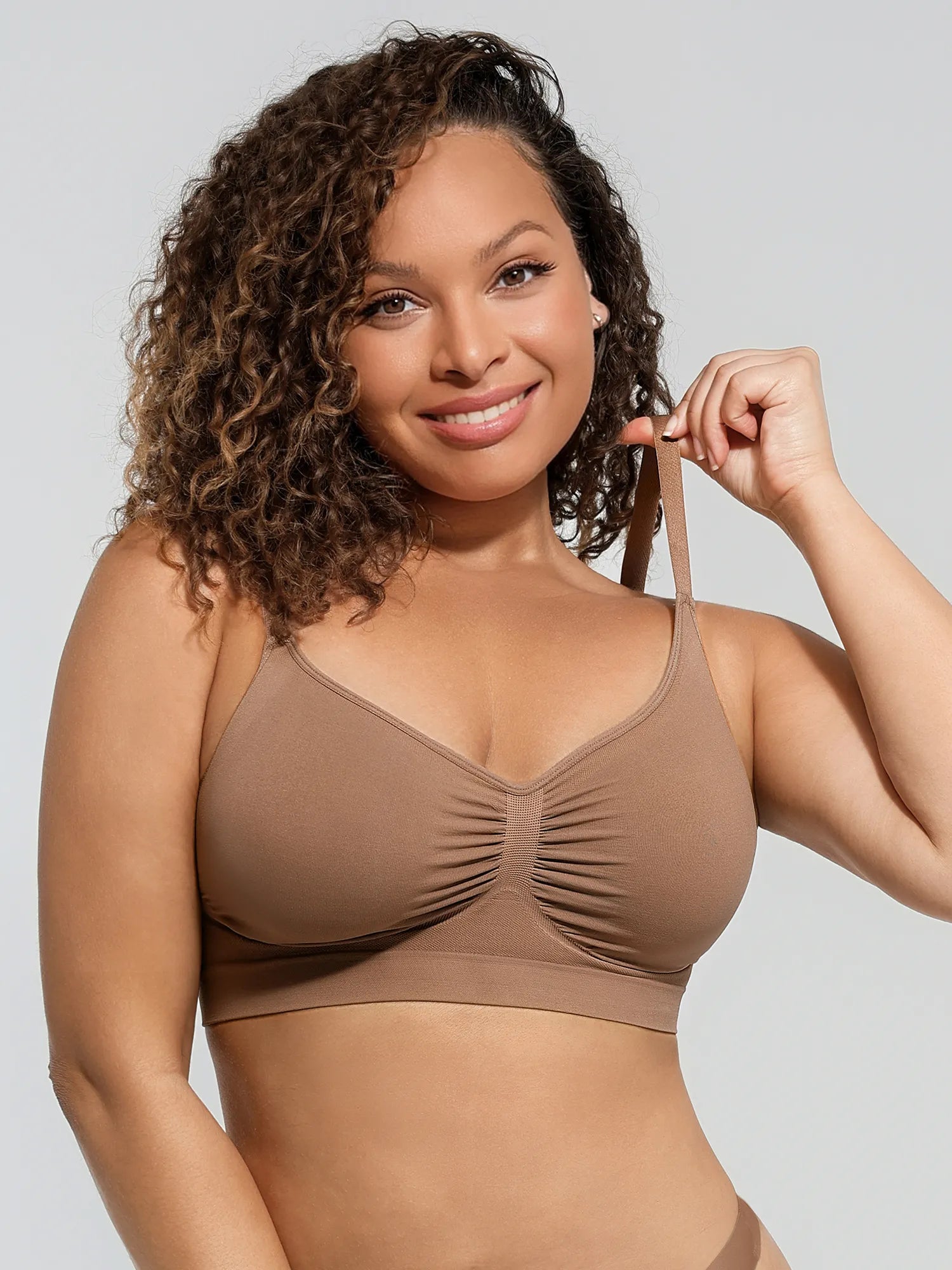
If you want a simpler laundry routine, choose comfortable bras designed for everyday and easier care. Wireless, seamless, and lightly lined styles are often more practical than heavily structured bras.
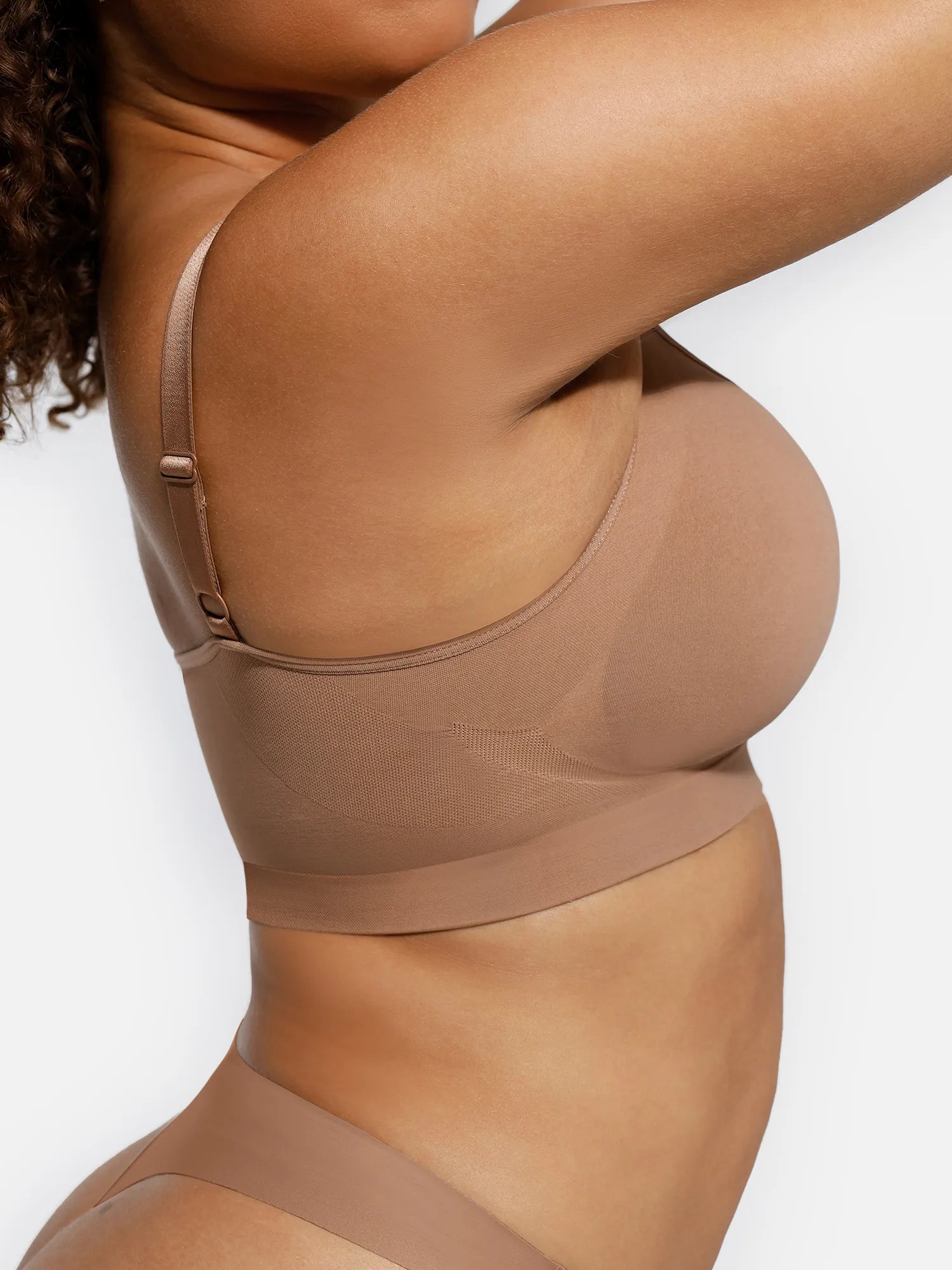
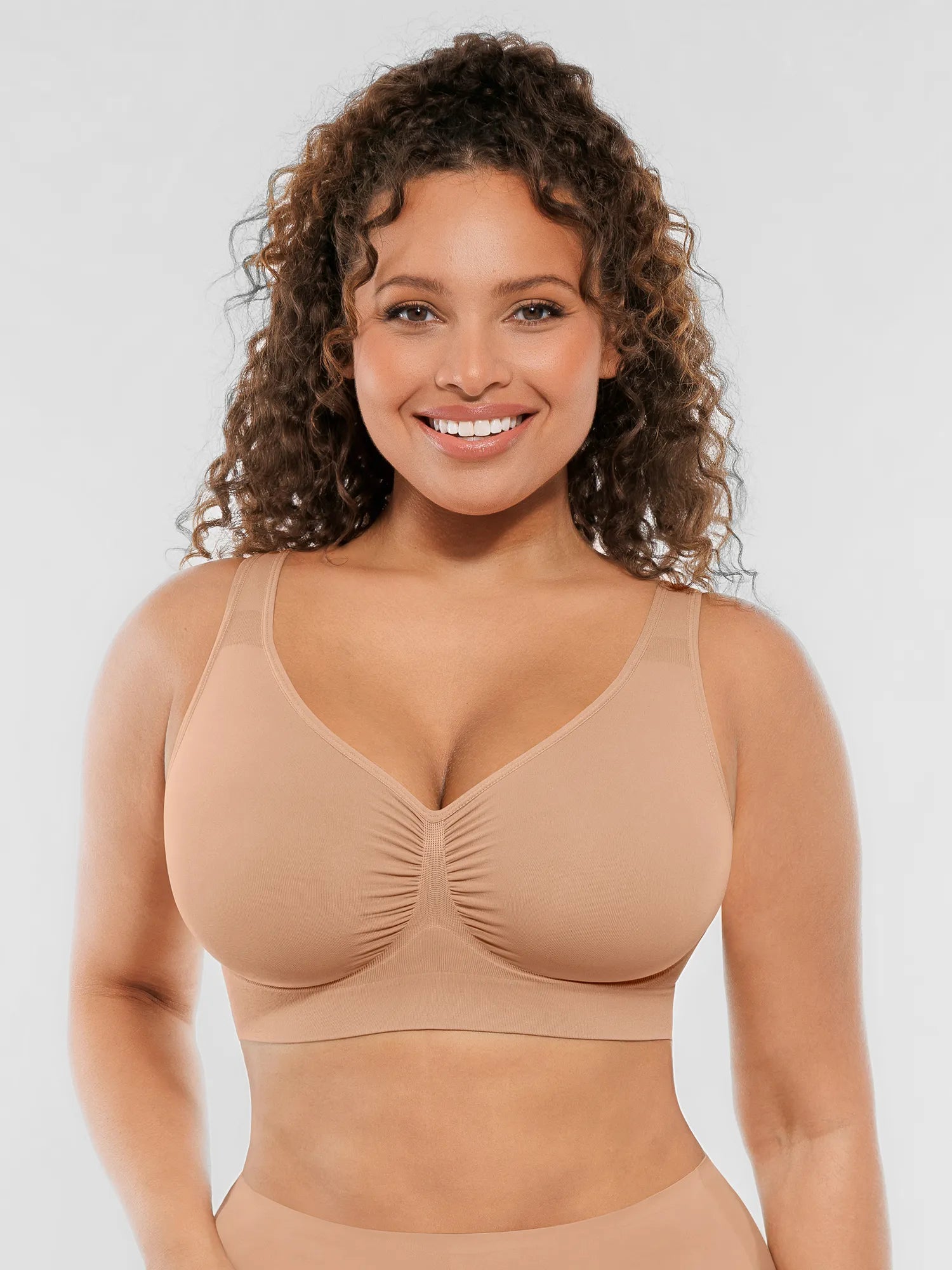
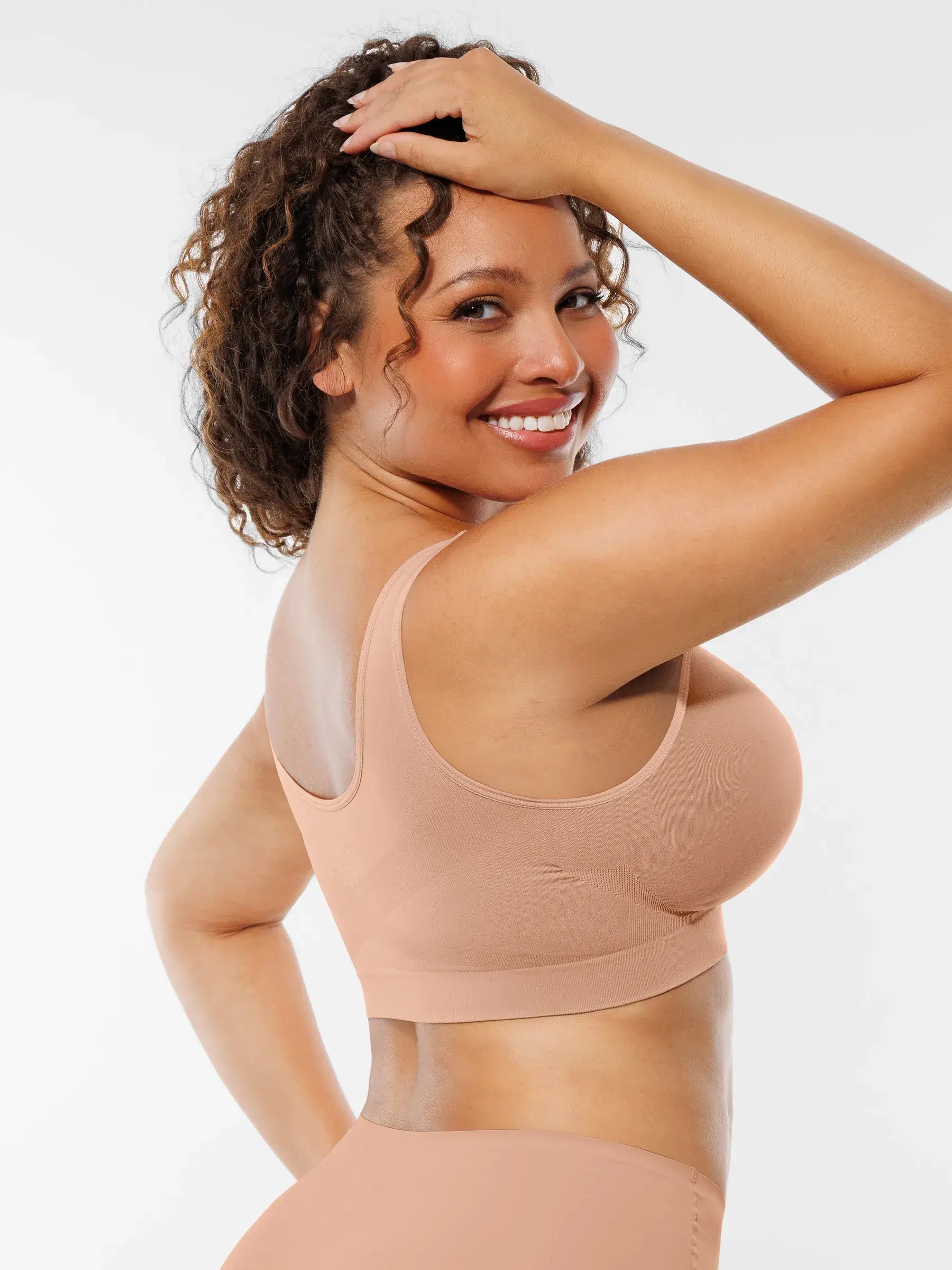
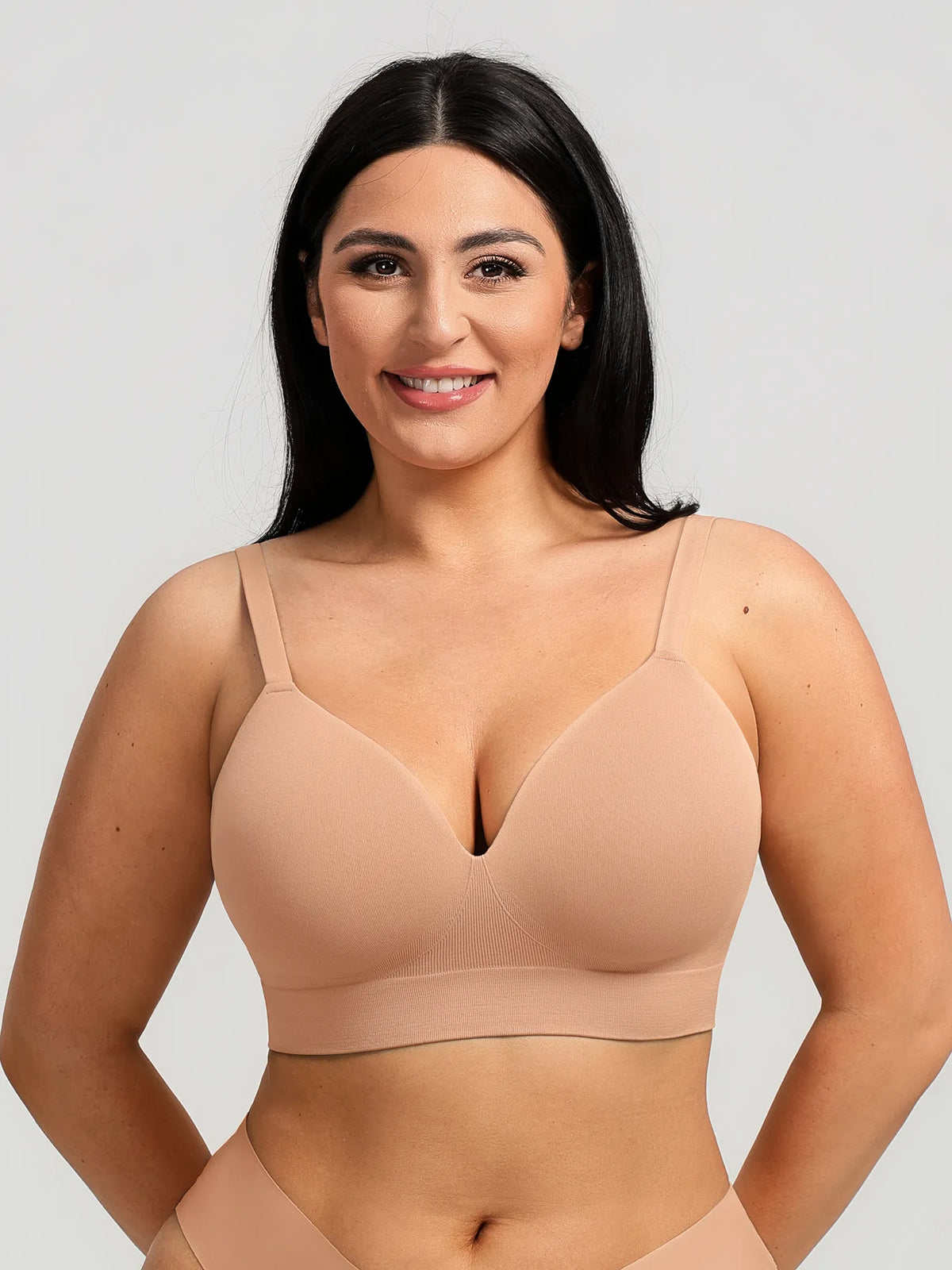
Look for smooth fabric, flexible stretch, wide bands, minimal fragile trim, and supportive wireless construction. A style like the Feelingirl Comfort Wireless Support Seamless Bra can be practical because its wireless and seamless design is easier to manage for frequent wear.
Even with easy-care bras, follow the care label, wash with cold water, use a gentle cycle, and air dry.
Final Thoughts
Machine washing bras safely comes down to gentle handling. Use cold water, a mesh laundry bag, mild detergent, a delicate cycle, and a light load. After washing, reshape the cups and air dry the bra instead of using heat.
Soft wireless and seamless bras are usually easier to machine wash, while lace, underwire, and heavily padded bras need more protection. When in doubt, hand wash the bra to preserve its shape and support.
FAQs
How Often Should A Woman Wash A Bra?
Most everyday bras should be washed after two to three wears. If you sweat heavily, wear the bra in hot weather, or use it for exercise, wash it after one wear.
How Many Hours A Day Should You Wear A Bra?
You can wear a bra as long as it feels comfortable and supportive. If it digs, leaves painful marks, or causes shoulder discomfort, the fit or style may not be right.
What Are Common Mistakes When Washing Bras?
Common mistakes include using hot water, skipping the mesh bag, washing bras with heavy clothes, using too much detergent, using the dryer, and hanging wet bras by the straps.
How Long To Soak Bras When Hand Washing?
Most bras only need to soak for 10 to 15 minutes in cool water with mild detergent. Very sweaty bras may need up to 30 minutes. Rinse well, press out water with a towel, reshape, and air dry.