






Shapewear for Wedding Dresses: Find the Right Fit for Your Big Day
Finding the "one" usually refers to your partner or your dream dress, but there is a third essential piece to the wedding puzzle: your shapewear. It is the secret foundation that ensures your gown lies perfectly, your silhouette looks polished, and most importantly, you feel confident from the first photo to the final dance. With so many options like bodysuits, waist cinchers, and seamless shorts, it is easy to feel overwhelmed.
This guide is designed to clear up the confusion and help you select the perfect support for your specific dress style and comfort needs.
Quick Reference: Finding Your Foundation
|
Dress Style |
Best Shapewear Match |
Primary Benefit |
|
Mermaid / Trumpet |
High-Waisted Mid-Thigh Shorts |
Smooths tummy, hips, and thighs |
|
A-Line / Ballgown |
Shaping Briefs or Bodysuit |
Focuses on waist definition |
|
Backless / Low-Back |
Low-Back Power Bodysuit |
Discreet support for tricky cuts |
|
Sheath / Slip Dress |
Seamless Thong or Light Slip |
Eliminates visible panty lines (VPL) |
Start With Your Dress First
Before you start shopping for undergarments, you need to have a clear picture of your gown. Your shapewear should work in harmony with the dress's design, not fight against it.
Match The Dress Shape To The Right Support
The silhouette of your dress determines where you need the most control. For a voluminous Ballgown, you might only need light smoothing around the waist since the skirt hides everything else. However, a mermaid or trumpet gown is fitted through the hips and thighs, meaning you will likely want a high-waisted shaper that extends down the leg to create a continuous, sleek line.
Look At The Neckline, Back, And Fabric
The architecture of your dress dictates the "map" of your shapewear. If you have a plunging neckline, a standard bodysuit will show. If the back is sheer lace or sits below the waist, you will need specialized low-back options. Additionally, the fabric matters immensely. Heavy brocade is forgiving, while thin silk or crepe will reveal every seam, necessitating a completely laser-cut, seamless finish.
Decide What You Want To Smooth Most
Every bride has a different priority. Some want to feel "tucked in" at the midsection, while others are more concerned about thigh chafing or lifting their bust. Identify your primary goal early on.
- The Tummy: Look for double-layered panels or firm compression.
- The Hips and Thighs: Choose mid-thigh lengths to prevent "bulges" where the garment ends.
- The Rear: Look for styles with "butt-lifting" construction rather than flattening compression.

Choose The Best Shapewear Style
Once you know what your dress requires, you can narrow down the specific category of shapewear that fits the bill.
Bodysuits For Smooth All Over Support
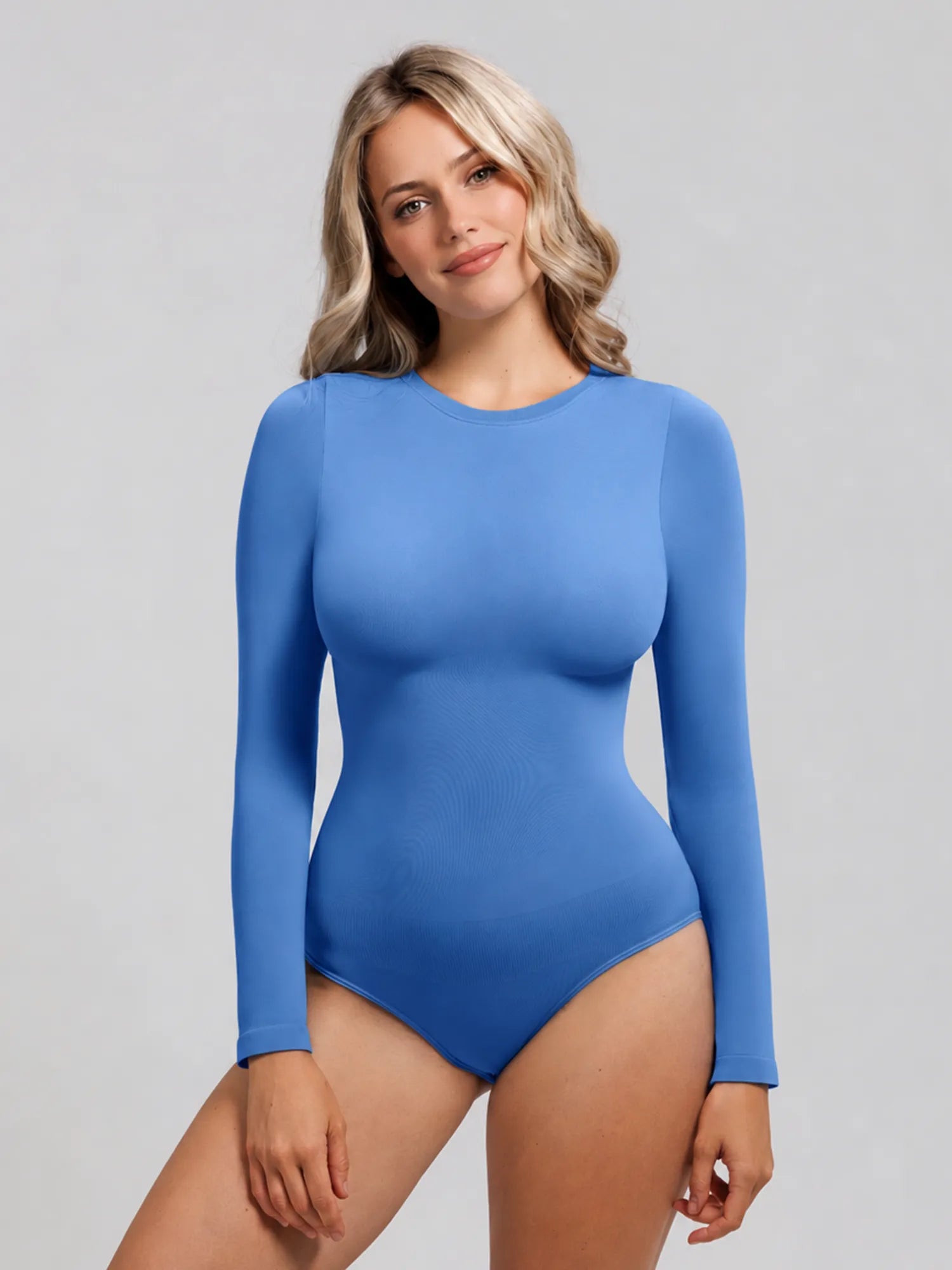
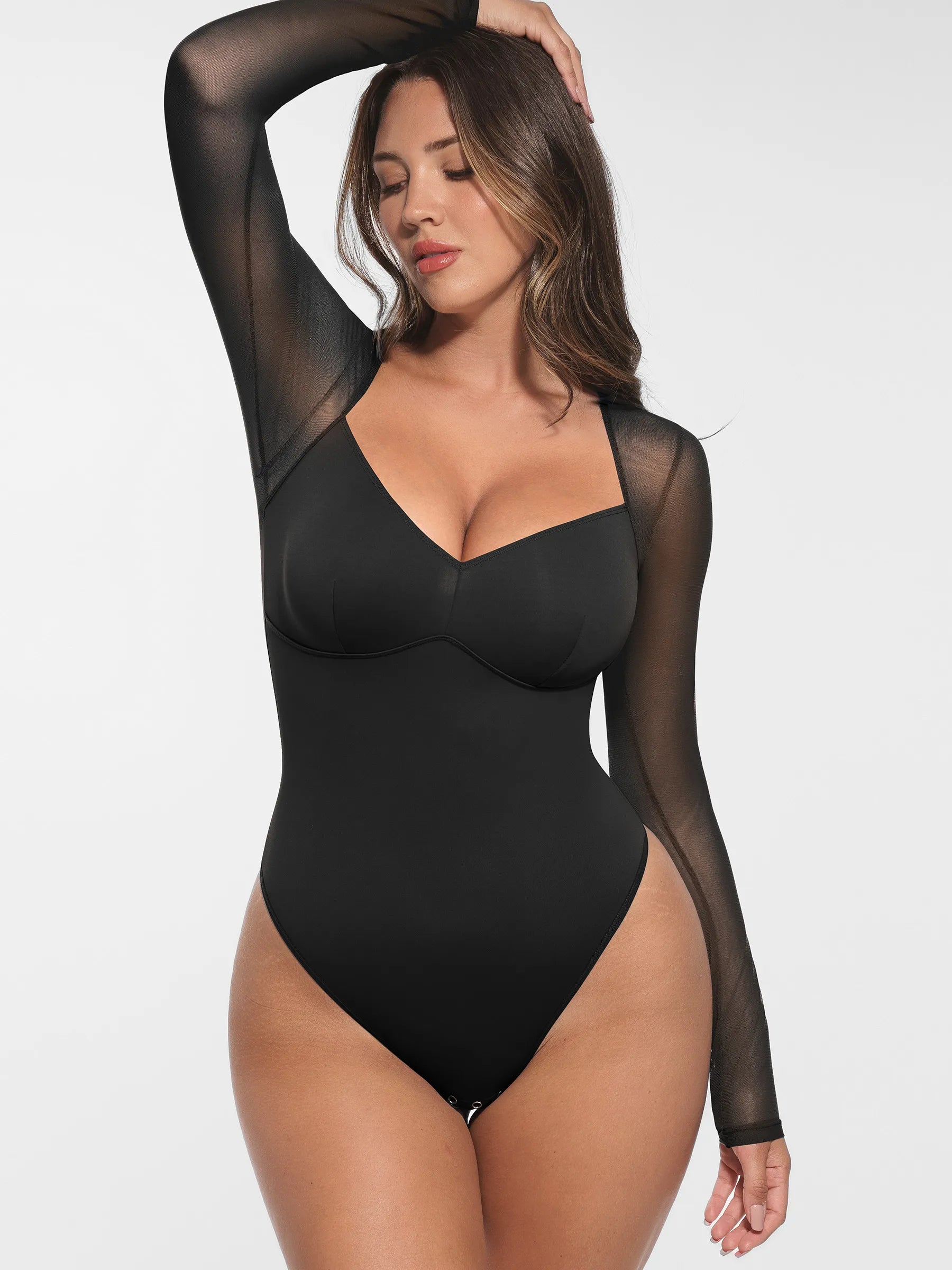
Bodysuits are the gold standard for wedding day support because they provide a single, unbroken line from the bust to the hips. They eliminate the risk of a waistband rolling down or creating a "muffin top" effect. This is an excellent choice for sheath dresses or any style where you want a totally cohesive look.
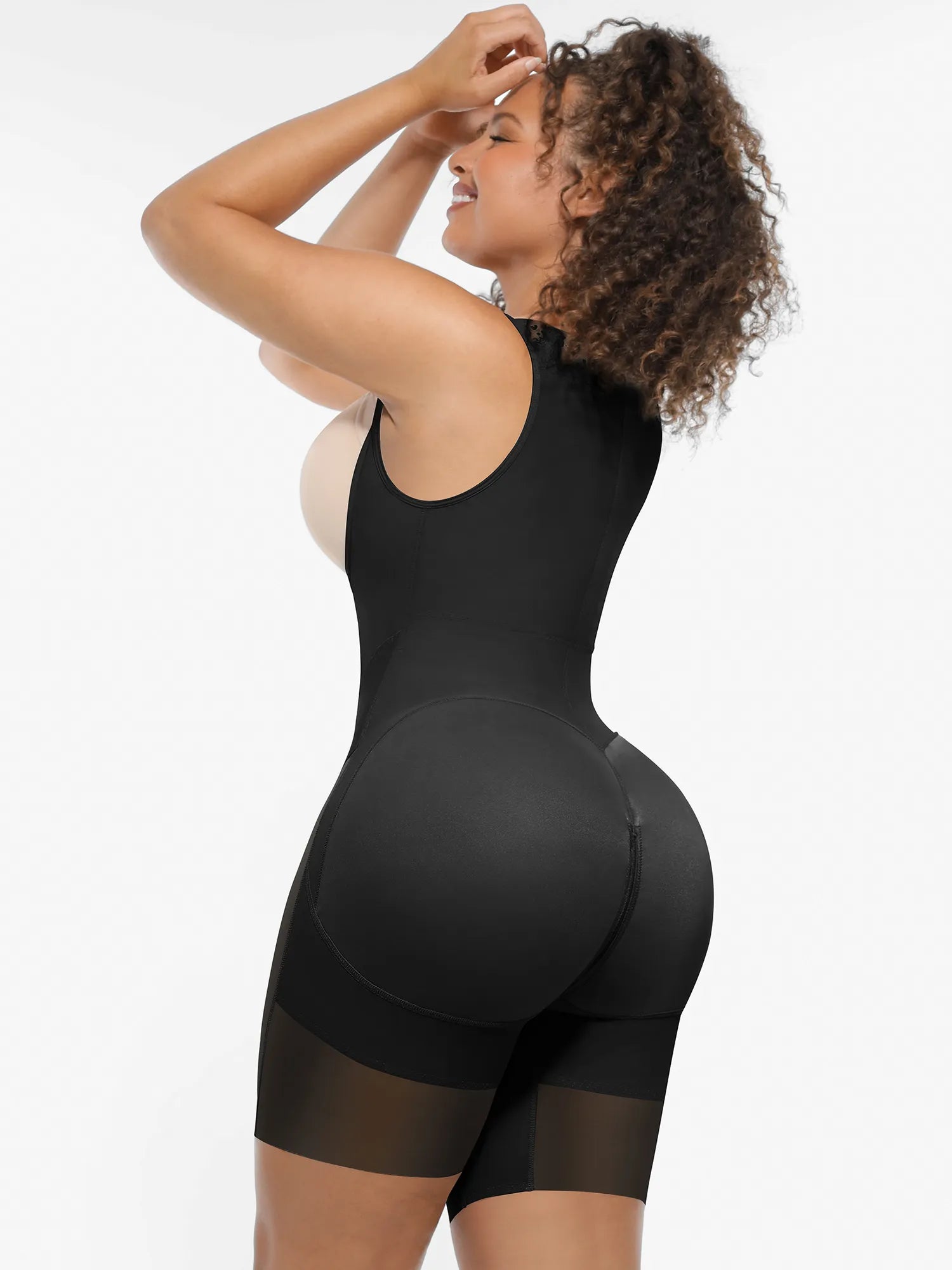
High-Waisted Shorts For Tummy And Thigh Shaping
If your dress has a fuller skirt but a fitted bodice, high-waisted shorts are a fantastic compromise. They target the lower stomach and hips while preventing your thighs from rubbing together during a long day of walking and dancing. Look for versions with silicone grippers at the top to ensure they stay in place.
Briefs And Thongs For Light Everyday Smoothing
If your dress is made of a heavy fabric and already has a lot of internal structure (like built-in boning), you might only need a light shaping brief or thong. These offer a "barely there" feel while still providing a bit of core engagement and ensuring no lines are visible through the back of your skirt.
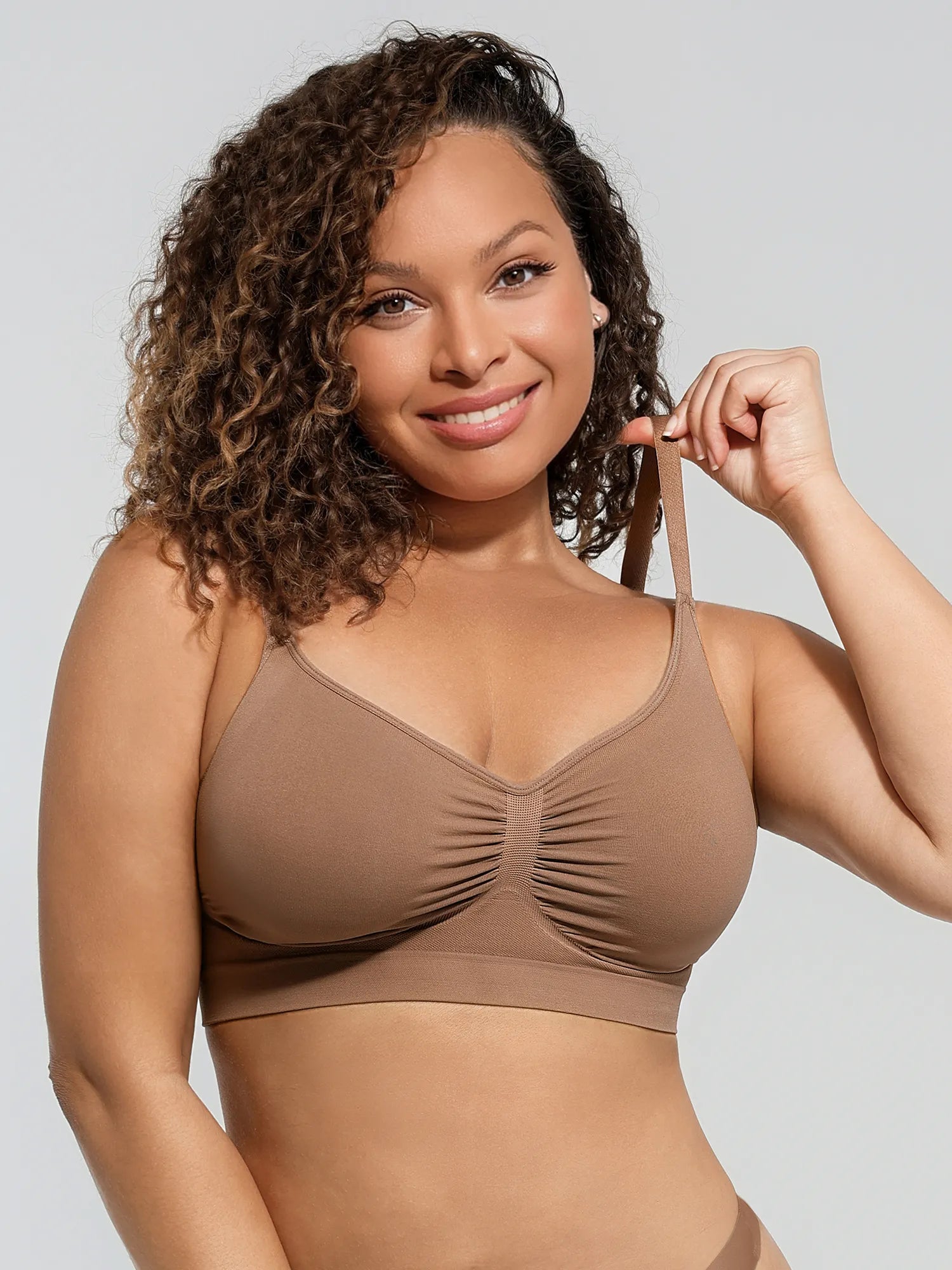
Low Back And Strapless Styles For Special Dress Cuts
For gowns with delicate straps or open backs, specialized shapewear is a must. These pieces often feature reinforced side-boning to stay up without shoulder straps and deep-cut backs that sit just above the tailbone. They allow you to wear a daring dress without sacrificing the security of a shaped silhouette.
Pick The Right Compression Level
More "squeeze" is not always better. The right compression level depends on your comfort threshold and how long you plan to wear the garment.
Light Compression For Soft Smoothing
Think of light compression as a "second skin." It is designed to smooth out minor bumps and prevent fabric from clinging to your body. This is ideal for brides who are already happy with their silhouette and just want a polished finish for a long, 10-hour day.
Medium Compression For Balance And Comfort
Medium compression provides noticeable shaping and contouring. It helps pull in the waist and smooth the hips without feeling restrictive. For most brides, this is the "sweet spot" that offers a great look in photos while still allowing you to eat dinner and breathe easily during your vows.
Firm Compression For A More Sculpted Look
Firm compression is for the bride who wants a high-definition, "snatched" look. It uses high-tension fabrics to significantly alter the silhouette. If you choose firm compression, it is vital to wear it around the house for a few hours before the wedding to ensure you can move comfortably.
Find The Right Size From The Start
The biggest mistake brides make is buying shapewear that is too small, thinking it will provide extra slimming. In reality, too-small shapewear creates bulges and rolls where the fabric ends.
Measure Yourself And Use The Brand Size Chart
Sizing varies wildly between brands. Do not rely on your standard dress size. Instead, use a soft measuring tape to get accurate readings of your:
- Bust: Around the fullest part.
- Waist: At the narrowest point (usually above the belly button).
- Hips: Around the widest part of your seat.
Choose The Larger Size If You Are Between Sizes
If your measurements fall between a Medium and a Large, always go with the Large. Shapewear is engineered to be tight; a size too small will be painful and will likely roll down, whereas a size that fits correctly will stay in place and do its job effectively.
Check The Fit While Sitting, Walking, And Moving
When you try on your shapewear, do not just stand still in front of a mirror.
- Sit down: Does the waistband dig into your ribs?
- Walk: Do the legs ride up?
- Dance: Move your arms and twist your torso to ensure nothing shifts or pinches.
Choose Shapewear That Stays Invisible Under Your Dress
The goal of wedding shapewear is to be felt but never seen. Total invisibility requires a combination of the right construction and the right color.

Choose Seamless Styles For Fitted Gowns
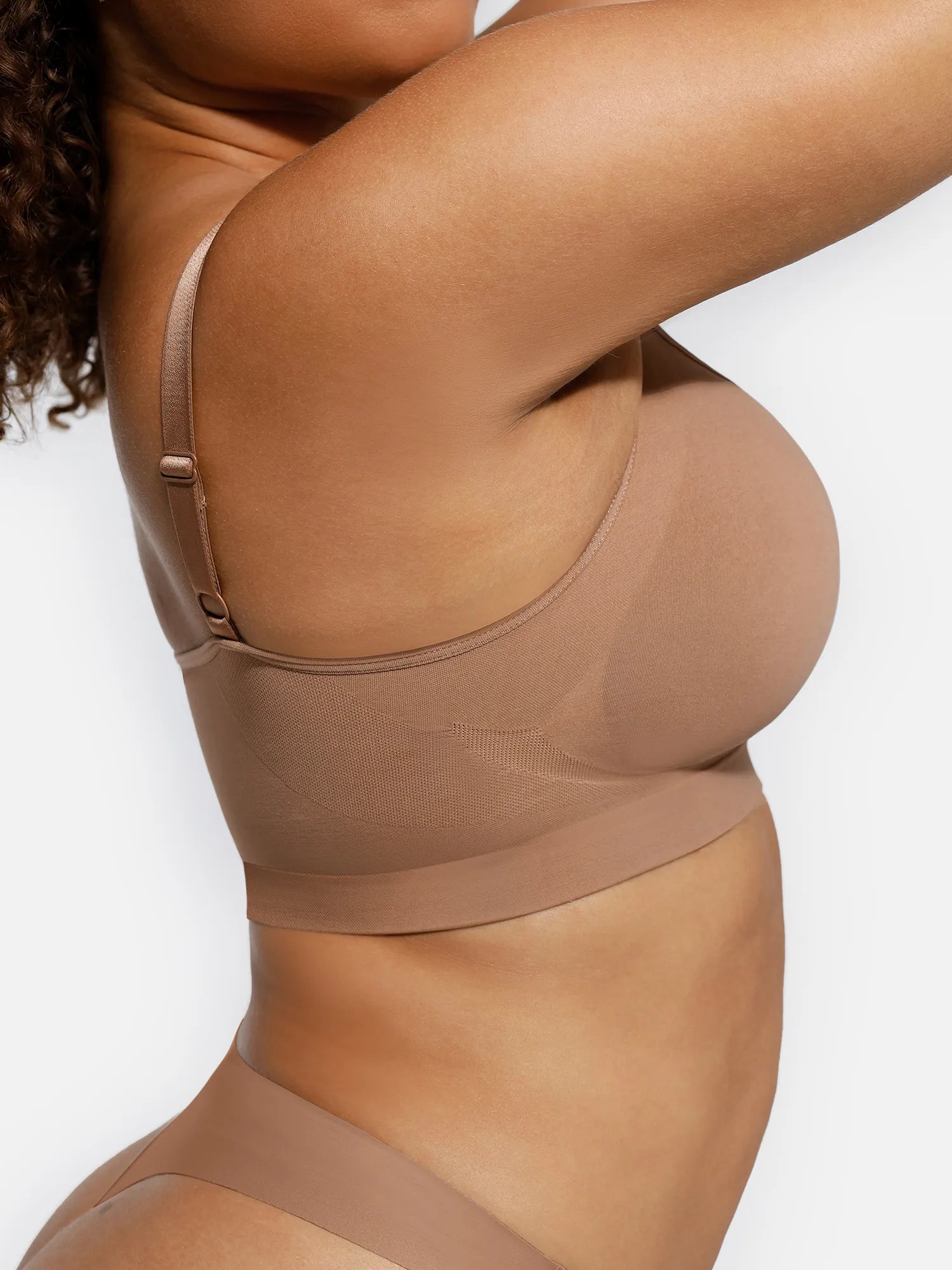
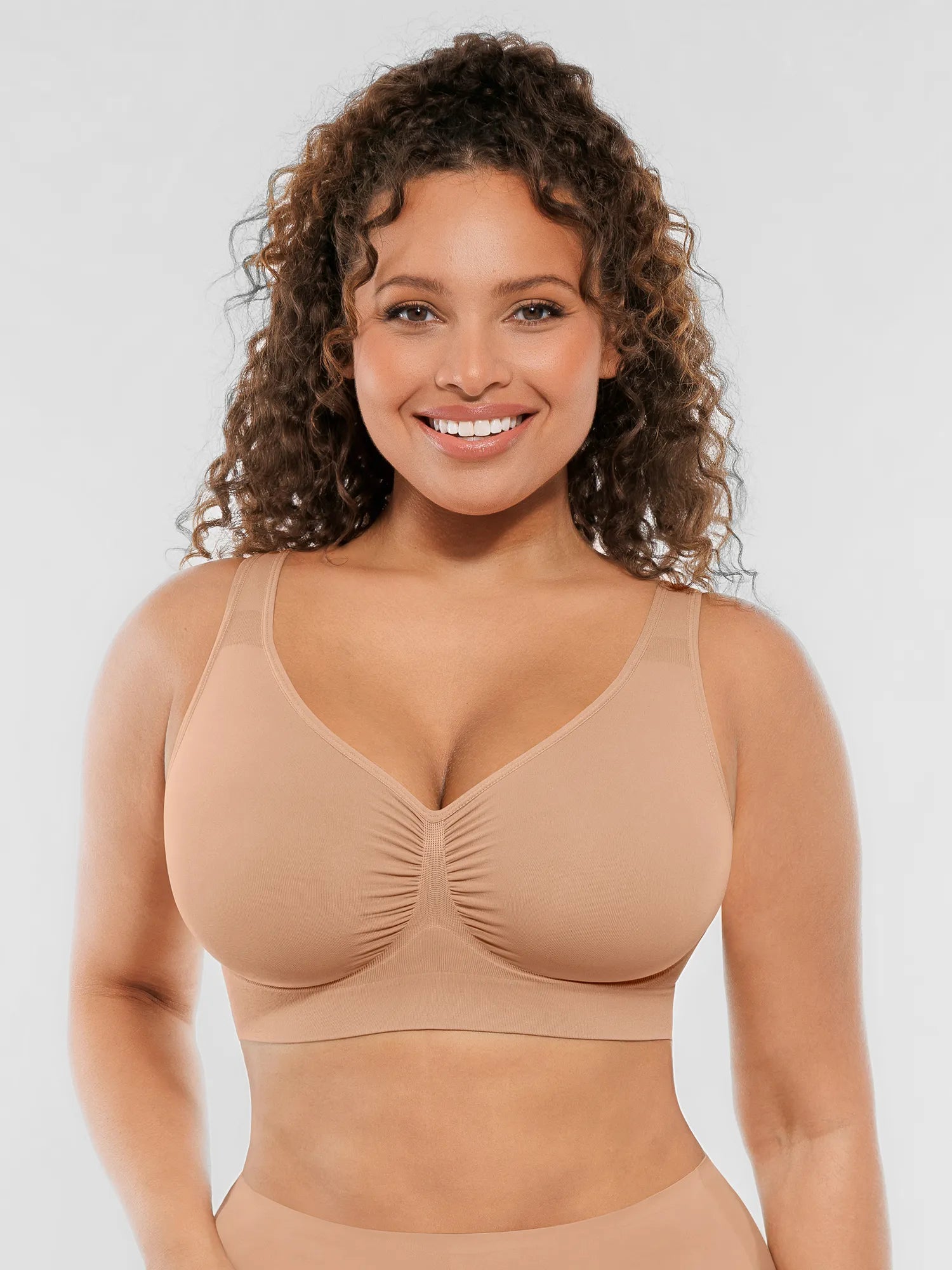
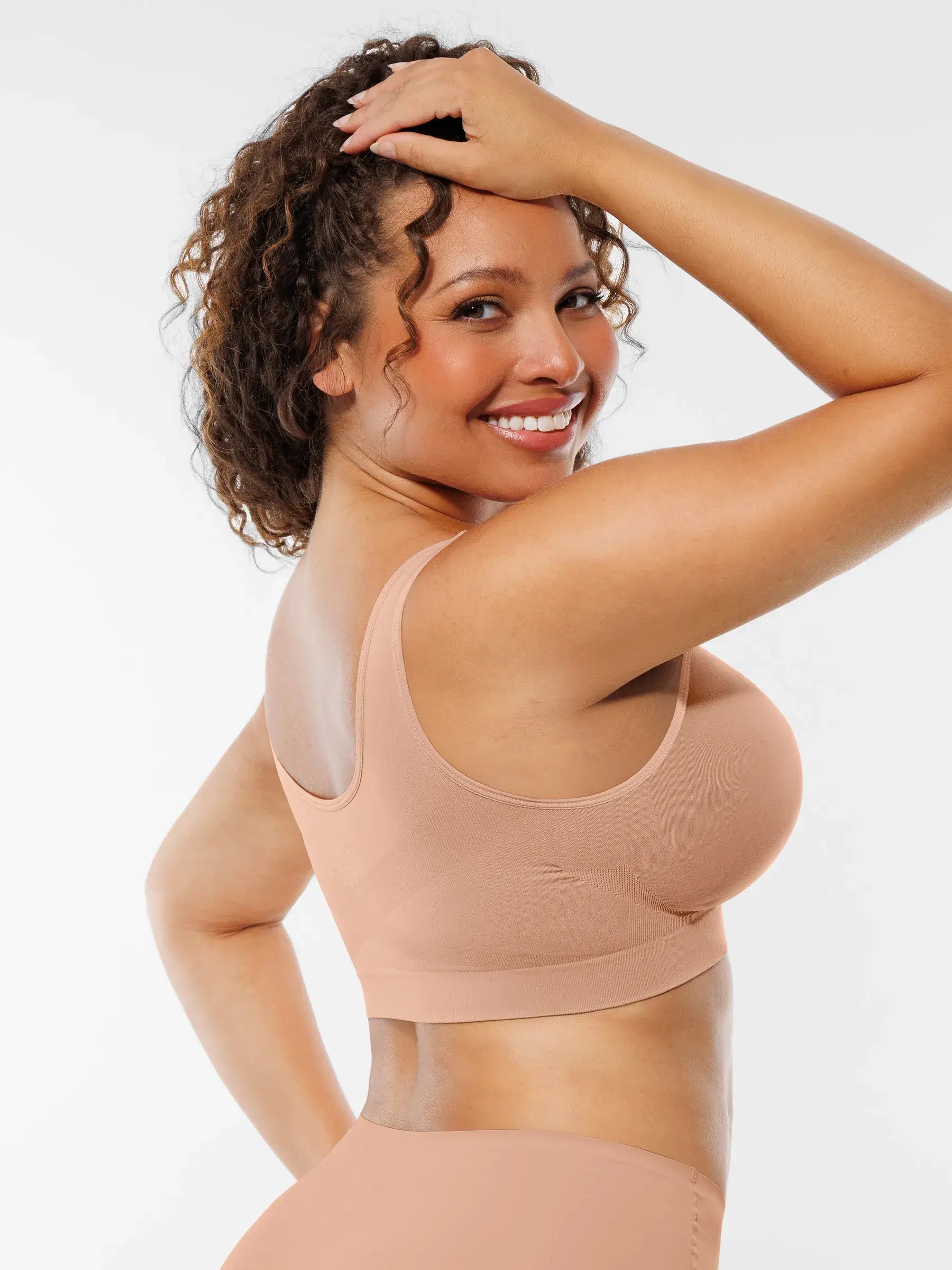
Avoid any shapewear with thick seams, zippers, or heavy lace overlays if your dress is fitted. Laser-cut edges and bonded seams are your best friends here. They lay completely flat against the skin, ensuring the focus remains on the dress, not what is underneath it.
Pick The Right Color For White And Ivory Dresses
Many brides instinctively reach for white shapewear to match their dress, but this is often a mistake. White undergarments can actually show through white fabric. Instead, choose a shade that matches your skin tone as closely as possible. Nude, tan, or deep brown tones disappear under white or ivory fabric much more effectively.
Avoid Lines Under Satin, Crepe, And Other Smooth Fabrics
Satin is notoriously unforgiving. If your gown is a sleek slip or a minimalist crepe design, even the smallest seam can be visible. In these cases, look for "raw cut" edges that do not have a traditional hem.
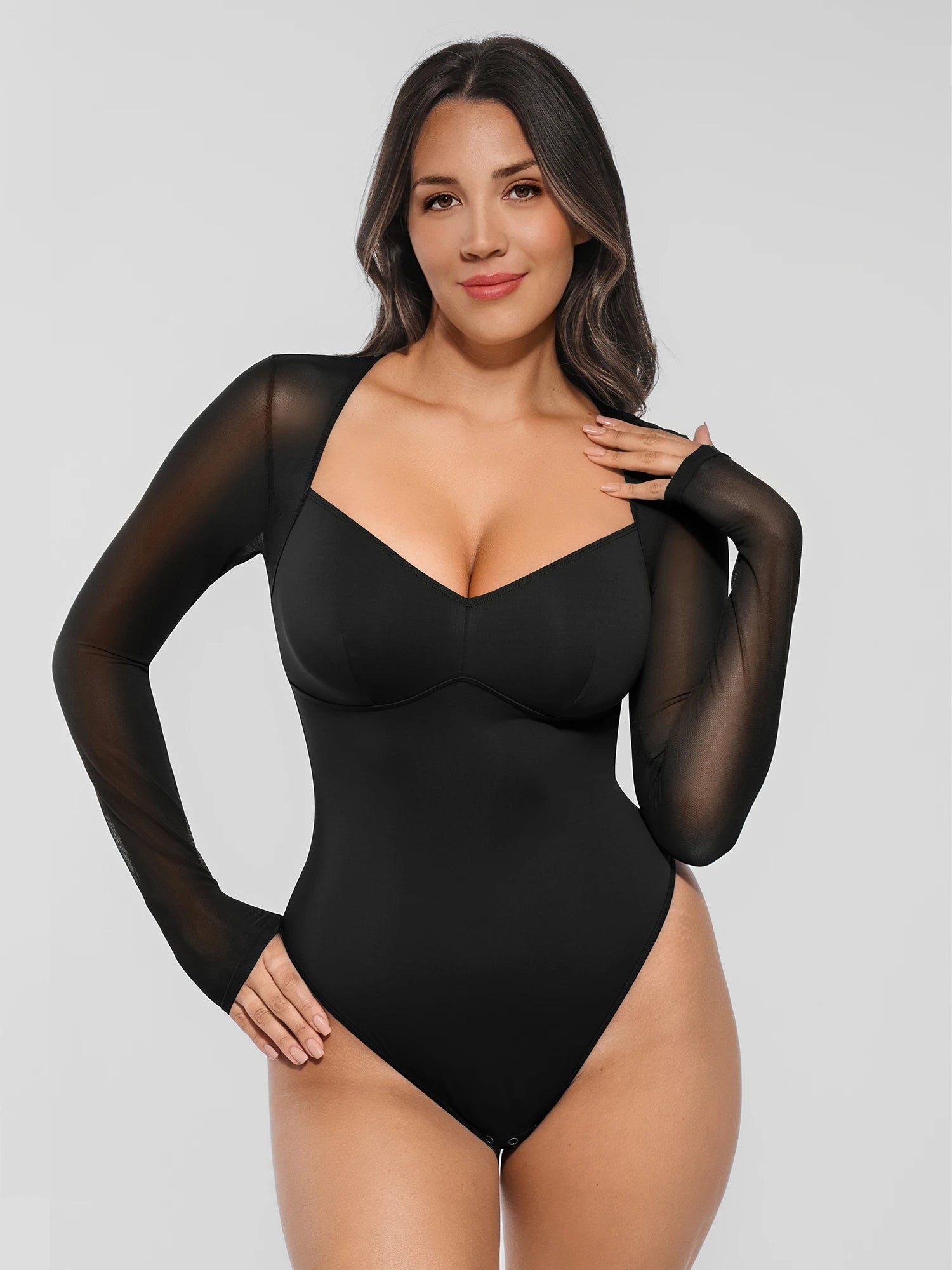
The "All-in-One" Essential: Seamless Support for Plunging Necklines
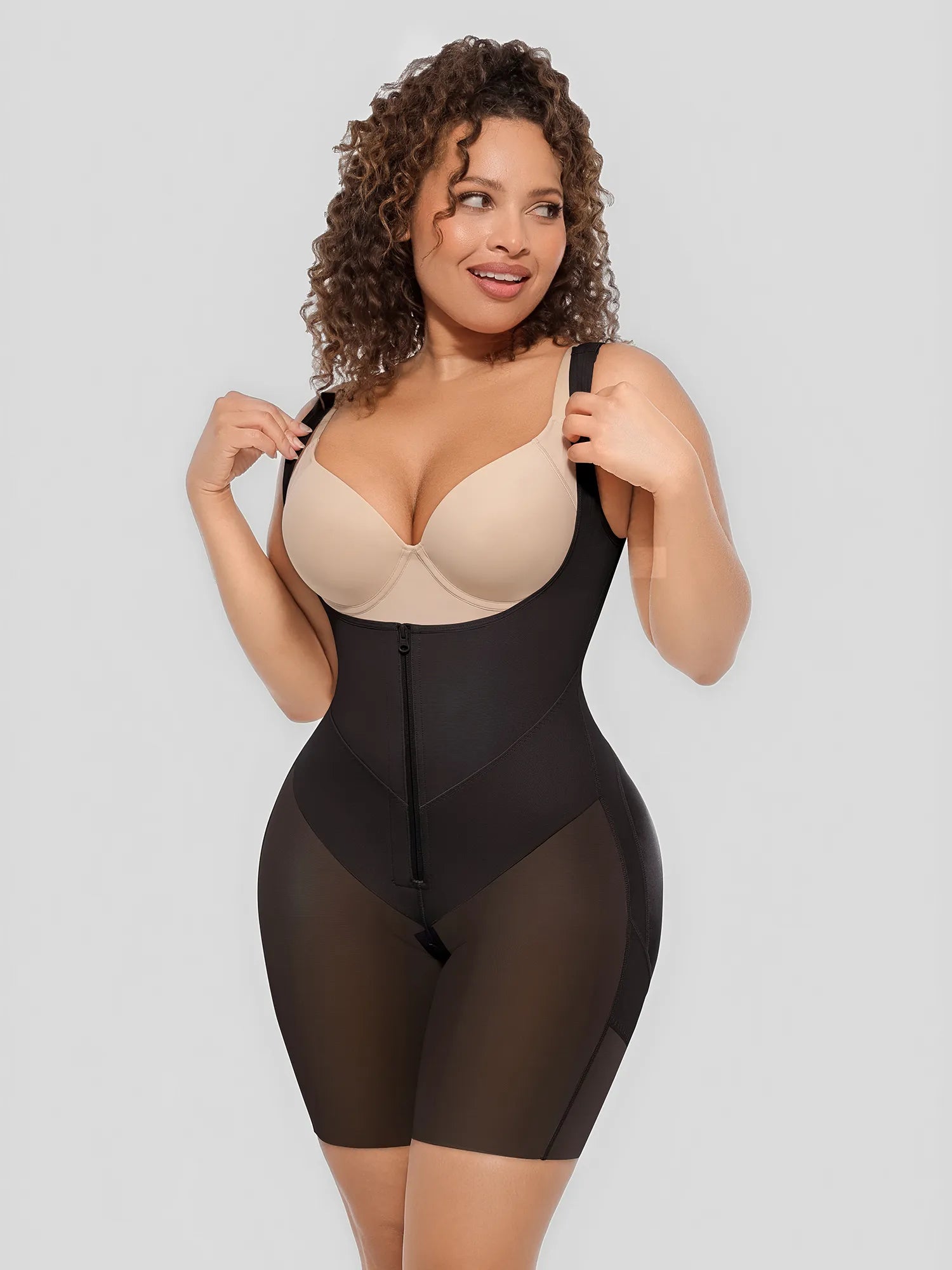
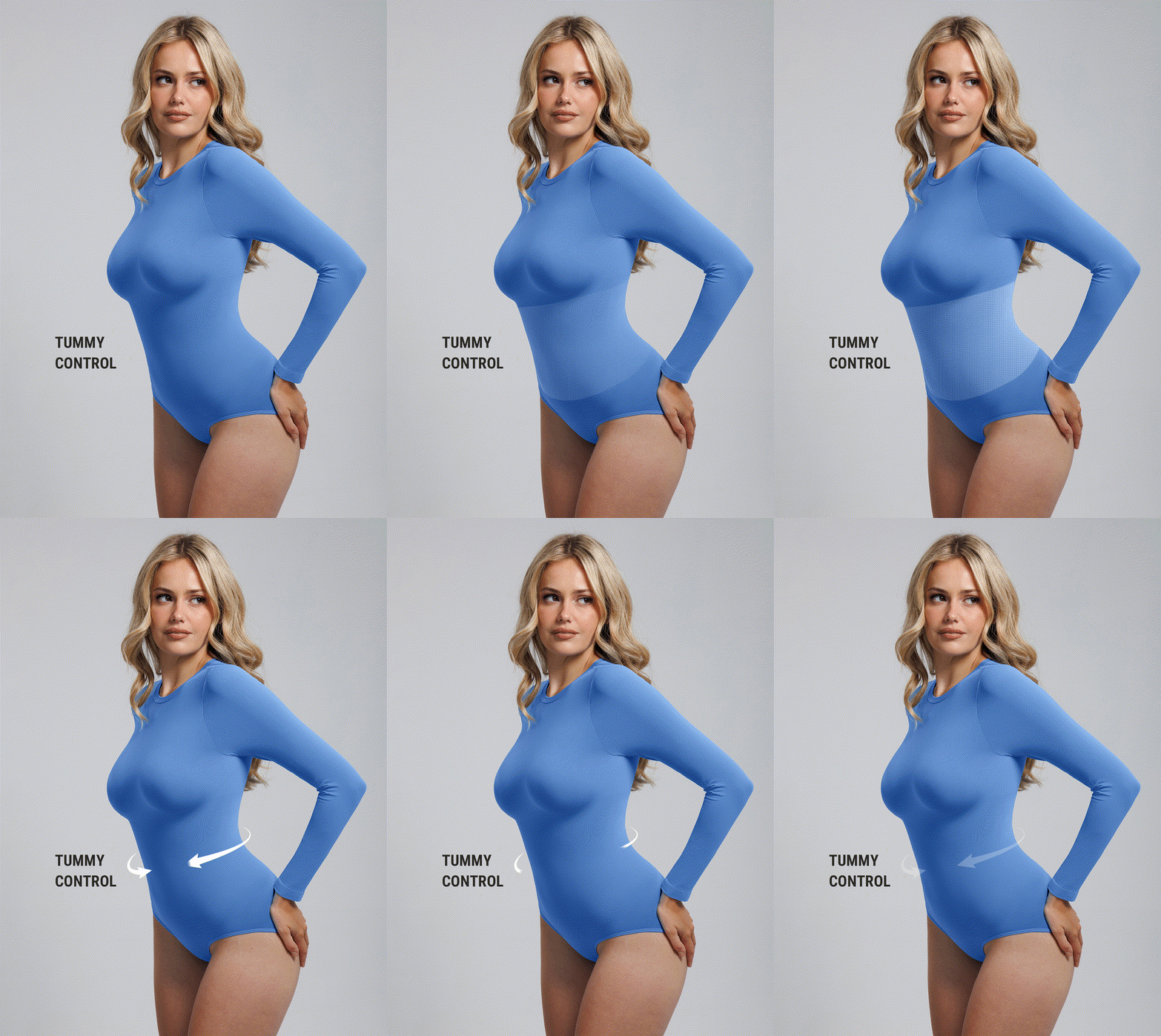
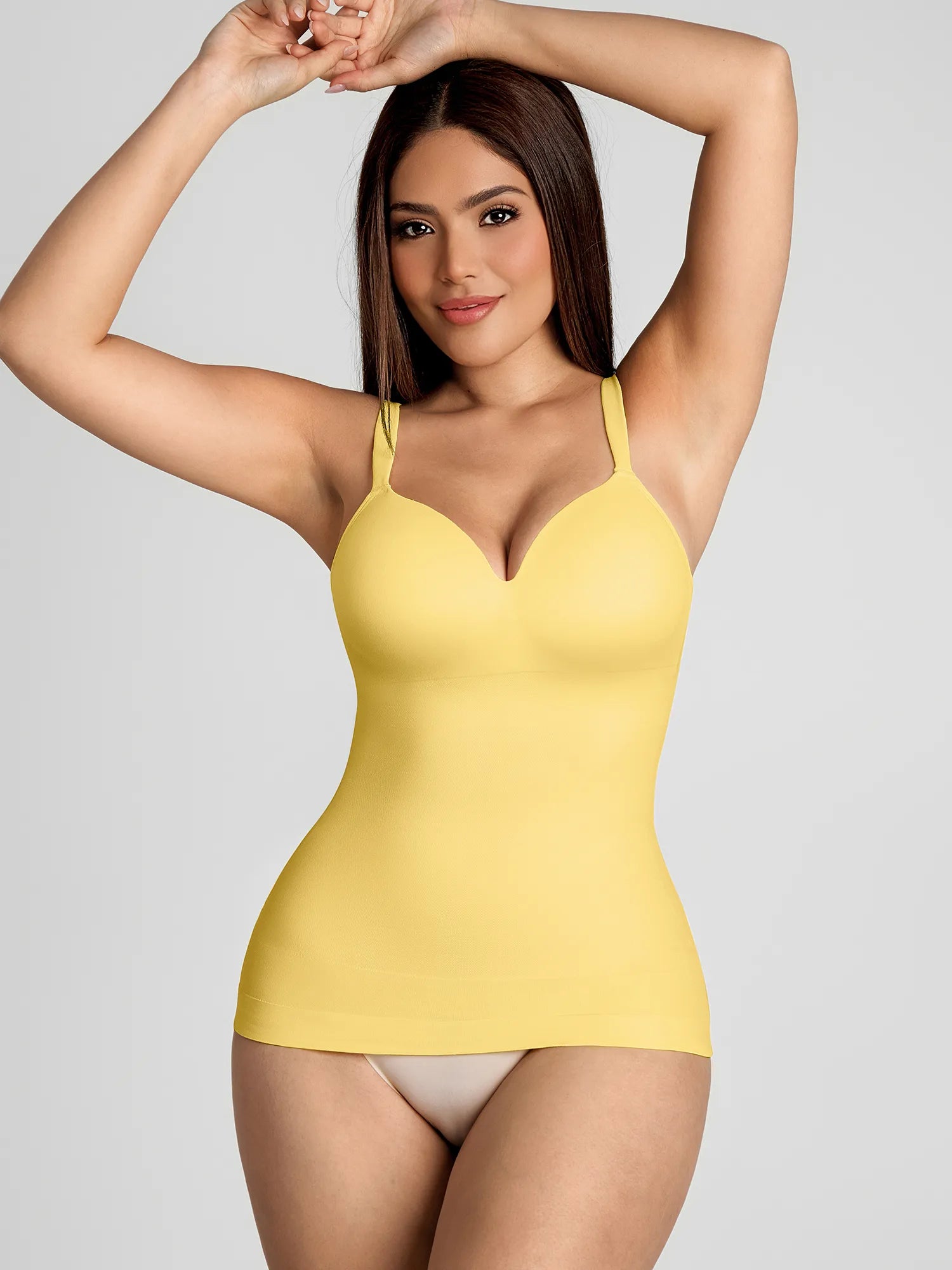
For brides wearing a modern gown with a deep-V or plunging neckline, a standard bra or bodysuit simply will not work. You need a solution that offers core control and bust support without a visible bridge between the cups. The Feelingirl one piece thong shapewear is a fantastic option for these tricky cuts. It provides a seamless, "no-show" finish and targeted tummy compression while leaving the neckline open for your dress to shine.
Conclusion
Choosing the right shapewear bodysuit for your wedding dress is about more than just aesthetics; it is about providing the foundation you need to feel your absolute best. By matching the support to your dress silhouette, picking the correct compression level, and insisting on a perfect fit, you ensure that you can focus on the joy of the day rather than adjusting your undergarments. Remember to purchase your shapewear early so you can wear it to your dress fittings, ensuring a flawless result when you finally walk down the aisle.
Frequently Asked Questions About Shapewear For Wedding Dresses
What’s the best shapewear for an A-line wedding dress?
Since A-line dresses are fitted at the waist and flare out, you should focus on the midsection. A high-waisted brief or a smoothing bodysuit is usually best. You generally do not need thigh compression unless you want to prevent chafing, as the skirt is loose over the legs.
Should I size up or down when buying shapewear for my wedding dress?
Never size down. Buying a size too small causes the garment to roll, pinch, and create new lumps. If you are between sizes, always size up. The garment will still provide plenty of compression, but it will fit smoothly against your skin.
How can I make sure my shapewear doesn’t show under my wedding dress?
Stick to seamless, laser-cut edges and choose a color that matches your skin tone rather than the color of the dress. Always bring your shapewear to your first dress fitting to confirm that no lines are visible under the specific fabric of your gown.
Can shapewear be worn after the wedding day?
Absolutely. High-quality shapewear is a great investment for other formal events, galas, or even under professional workwear. To make it last, always hand wash your shapewear or use a delicate cycle and air dry it to maintain the elasticity.
Is there shapewear for plus-size brides?
Yes, most top-tier shapewear brands offer inclusive sizing ranging up to 4XL or 5XL. Look for brands that specifically mention "targeted compression zones" and "anti-roll technology," as these features provide the necessary support and comfort for curvier silhouettes.