





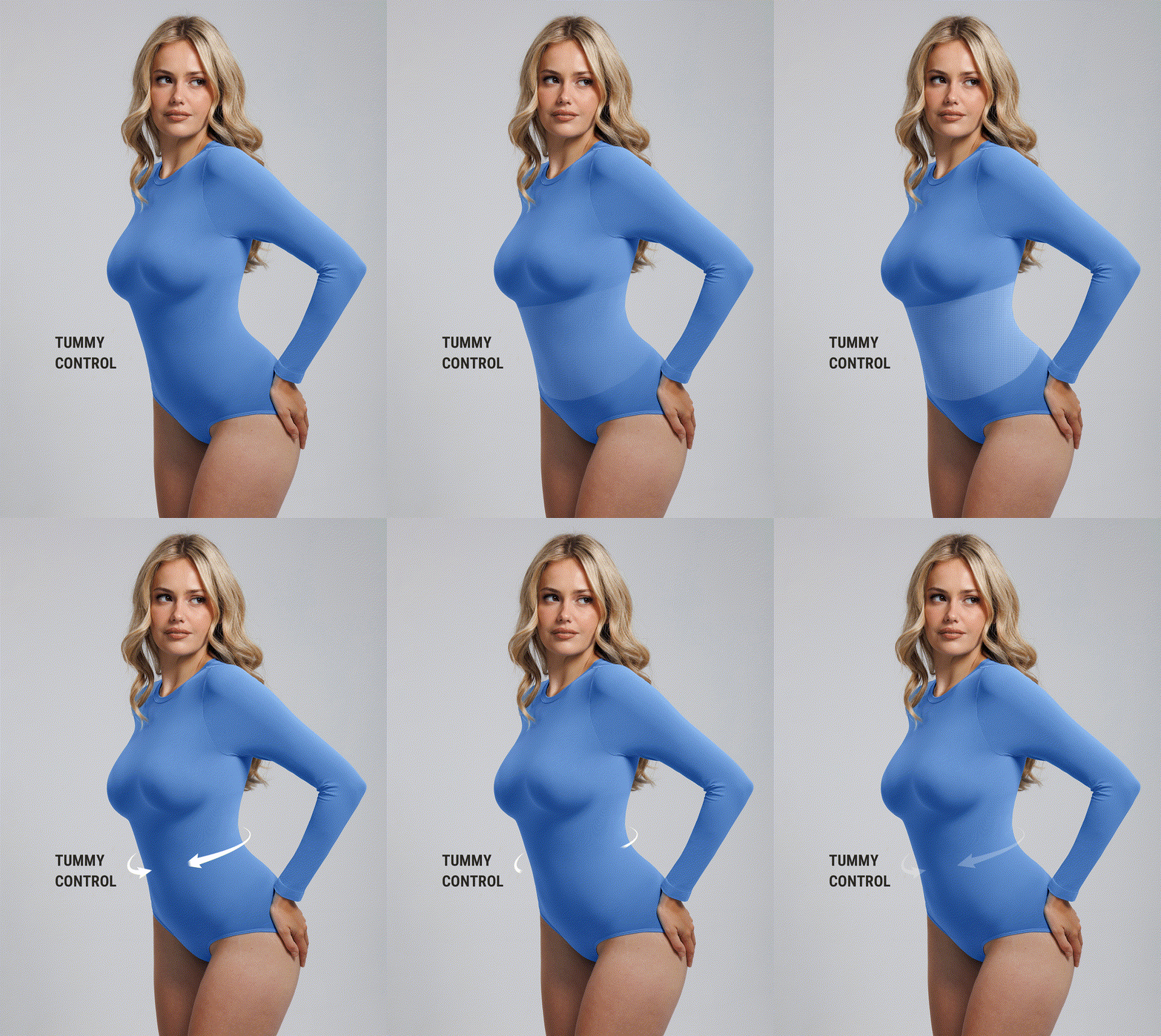


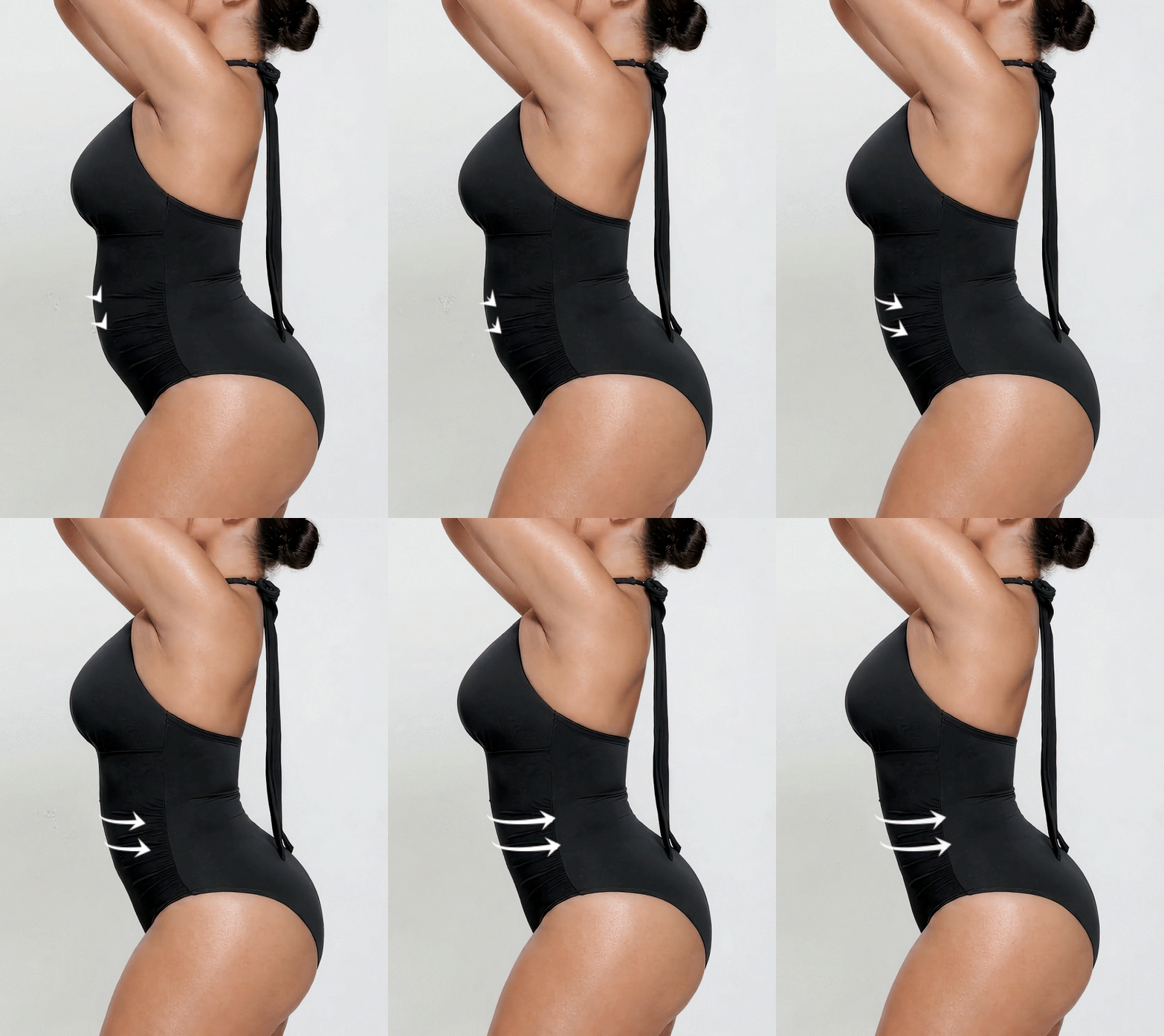
You're comparing two fajas. Both have front closures, adjustable straps, and a similar shape. One says Stage 1. The other says Stage 2. What actually changes, and do you need to buy both?
Stage 1 usually describes a softer, stretchier garment used earlier in recovery. Stage 2 often describes a firmer, more structured style used later. Whether you need both comes down to your recovery, your surgeon's instructions, and the specific garments.
If you're new to the term, our guide to what a faja is explains the basic styles. Here, we'll focus on what changes between stages and whether you need another garment.
Stage 1 vs. Stage 2 Faja: Fit, Fabric, and Closures
Stage labels describe how a brand organizes its garments. Their exact meaning can vary, so compare the individual products within that brand.
| Feature | Stage 1 Commonly Describes | Stage 2 Commonly Describes |
|---|---|---|
| Typical use | Earlier recovery, as directed | Later recovery, when recommended |
| Fabric | Softer and more flexible | Denser and less stretchy |
| Construction | More flexible panels | Firmer panels, lining, or reinforcement |
| Closures | Front hooks, a zipper, or both | Similar closures, sometimes with additional adjustment positions |
The biggest difference is often how the fabric and panels work together. A stretchier garment gives more as you pull it on. A firmer garment may hold its structure more noticeably.
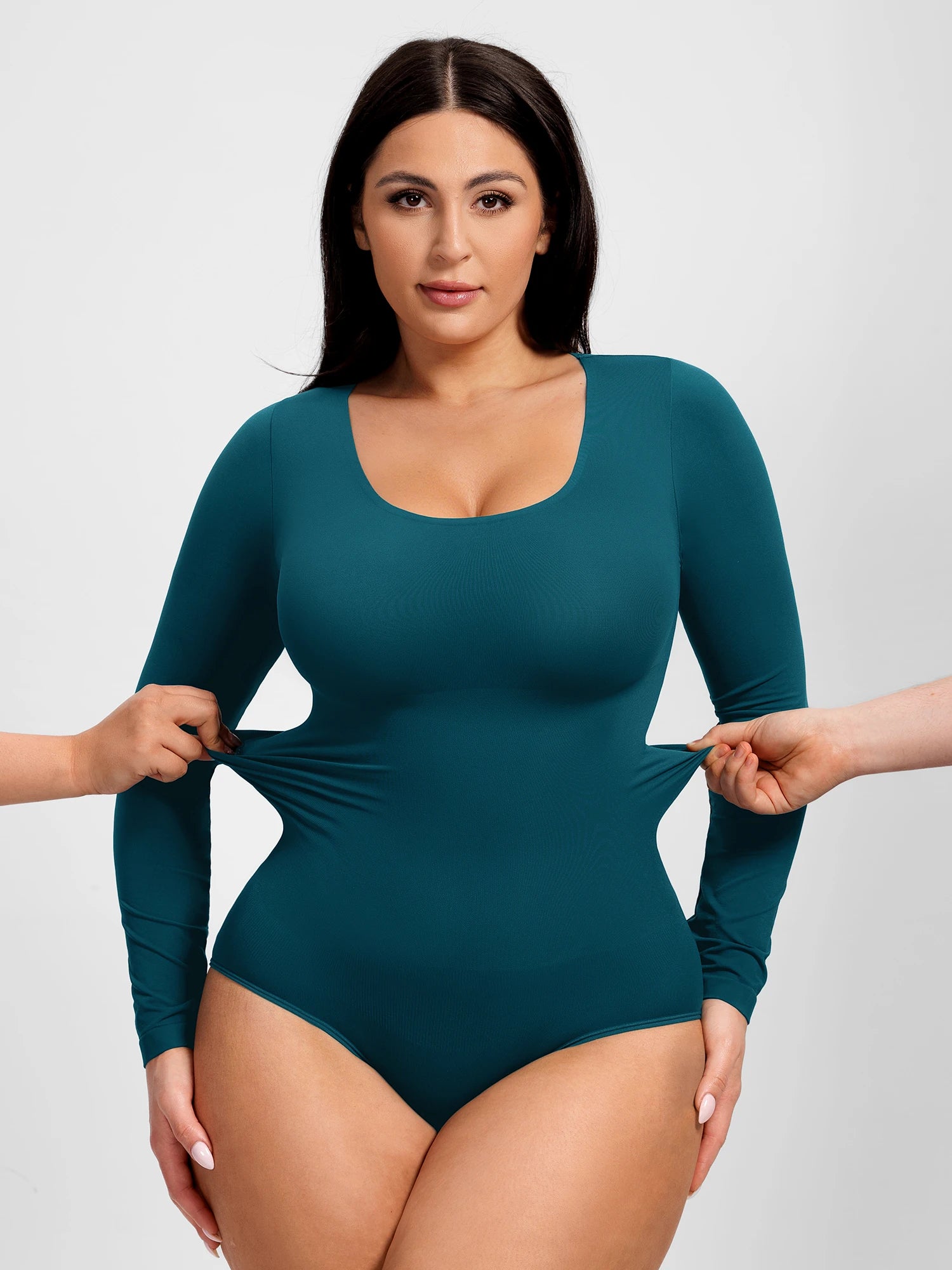
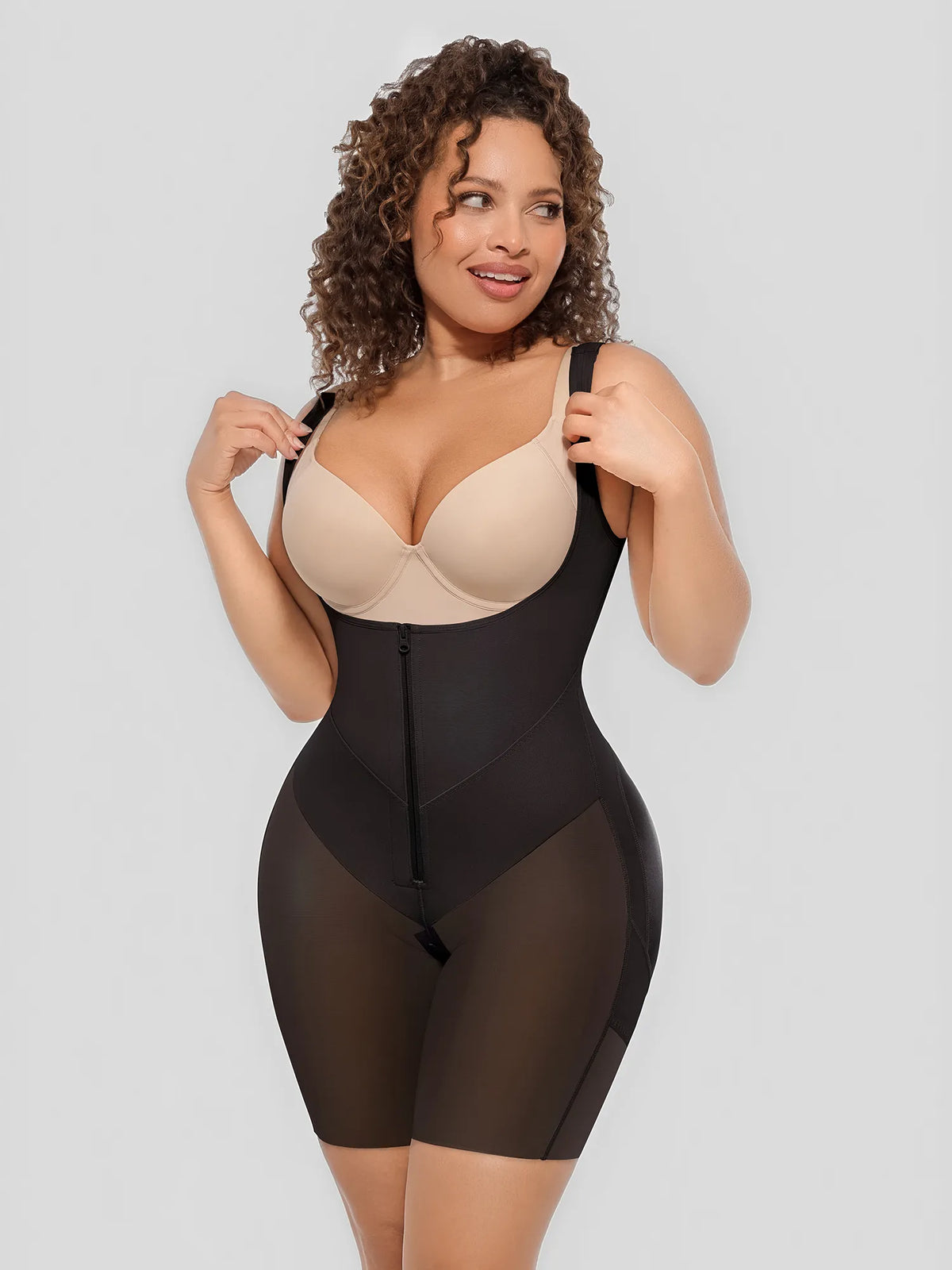
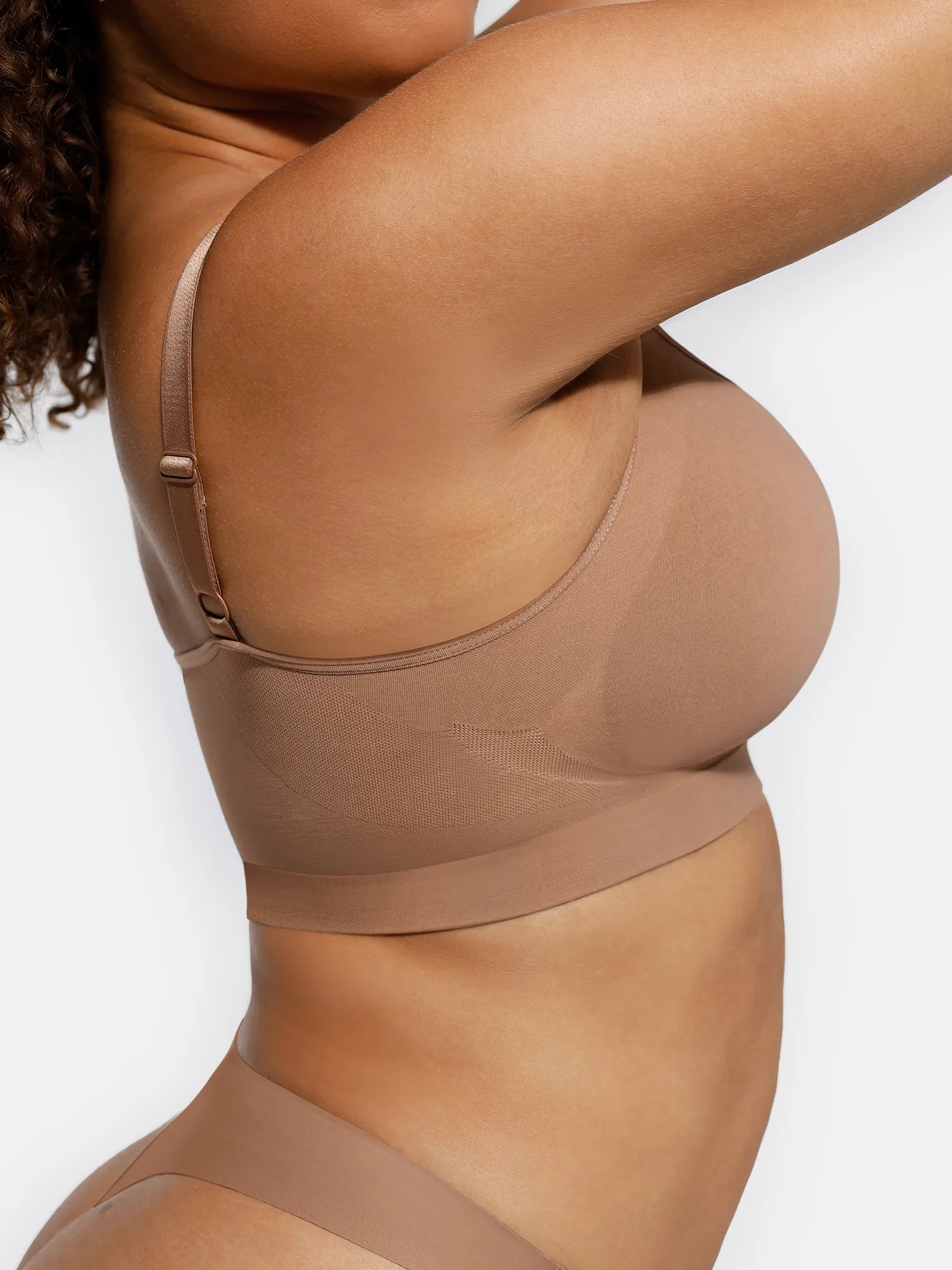
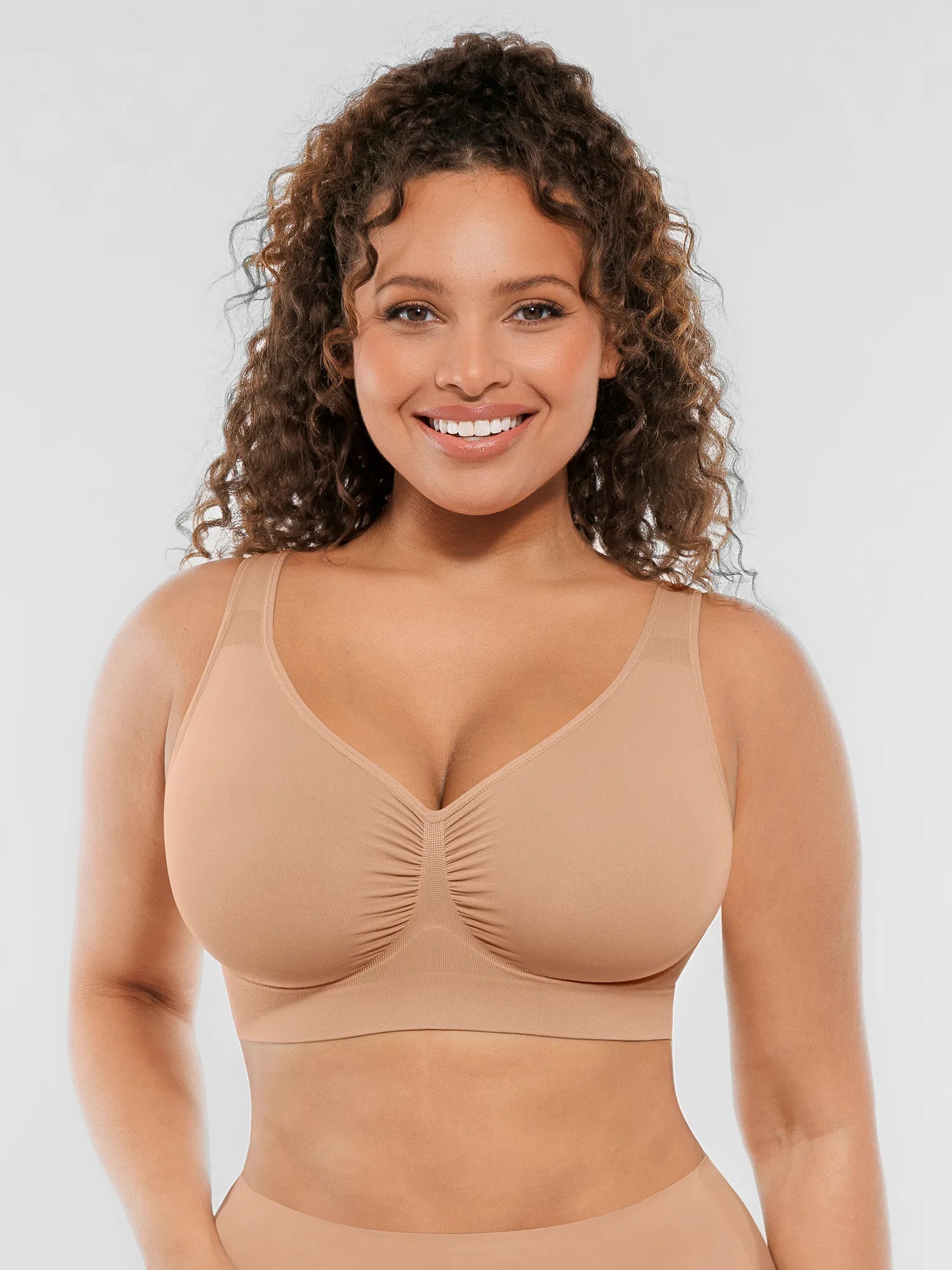
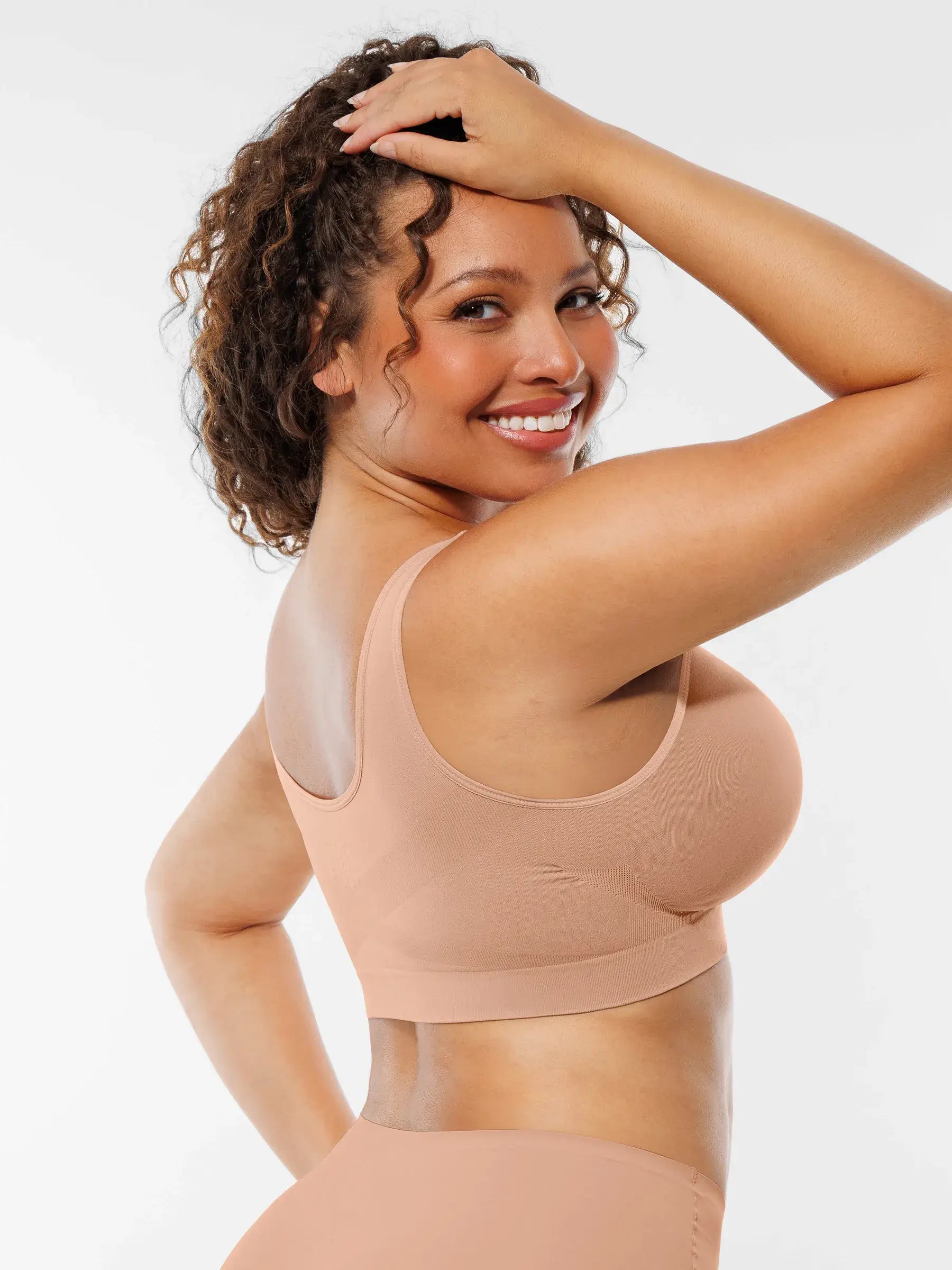
Closures alone won't identify the stage. Both garments can have several hook rows, adjustable straps, and bathroom openings. You can see adjustable straps on Feelingirl's V-Shaped Faja, an everyday shaping example. Those features alone don't establish a recovery stage.
You may also see Powernet, a structured mesh used in some fajas. It helps describe the material, but the name doesn't tell you the pressure of the finished garment. Layers, panel placement, and sizing affect the fit too.
For everyday styles, our compression level guide explains Feelingirl's shaping labels. For recovery, confirm the exact model with your surgeon. If two listings sound identical, ask what changes in the fabric or construction.
Do You Need to Switch to a Stage 2 Faja?
You might start thinking about another faja as swelling and measurements change, your current one feels different, or your surgeon suggests an adjustment. Any of those is a reason to ask about the fit.
For example, the waist may become looser while the thighs still feel close-fitting. Tell your team where the change occurs so they can assess whether you need an adjustment, another size, or another style.
Before buying, check three things.
- Current fit. Compare your measurements with the chart for the garment you're wearing. Note loose areas, rolling edges, or digging seams.
- Comfort changes. Tell your surgical team about new pressure or discomfort before choosing something tighter. Pain, numbness, or breathing difficulty calls for prompt medical advice.
- The next style. Check its coverage, fabric, and closures against your surgeon's instructions. Have the exact product link ready so you can confirm the model.
So, does everyone need a Stage 2 faja?
No. You don't automatically need a second faja just because it's labeled “Stage 2.” Whether you need to switch comes down to how you're healing, what your surgeon recommends, and how the specific garment is designed.
If your current faja still fits and your surgeon wants you to keep wearing it, there may be no reason to buy another yet. If the fit has changed or your surgeon recommends something different, ask what to look for before you order.
You'll see different timelines online, but there's no single week when everyone should switch. At your next follow-up, try asking, “Should I keep wearing this one, or do I need something different?” If you do need a change, bring the product link so you can confirm the style before buying.
What to Check Before You Buy a Faja
Once you know whether you need another garment, compare these three details.
Check the Coverage
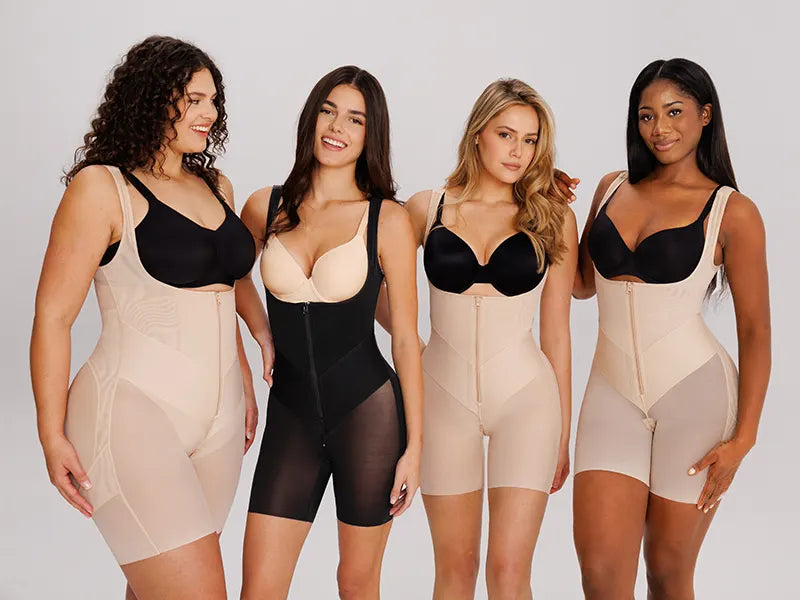
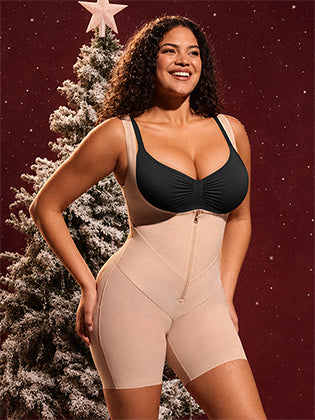
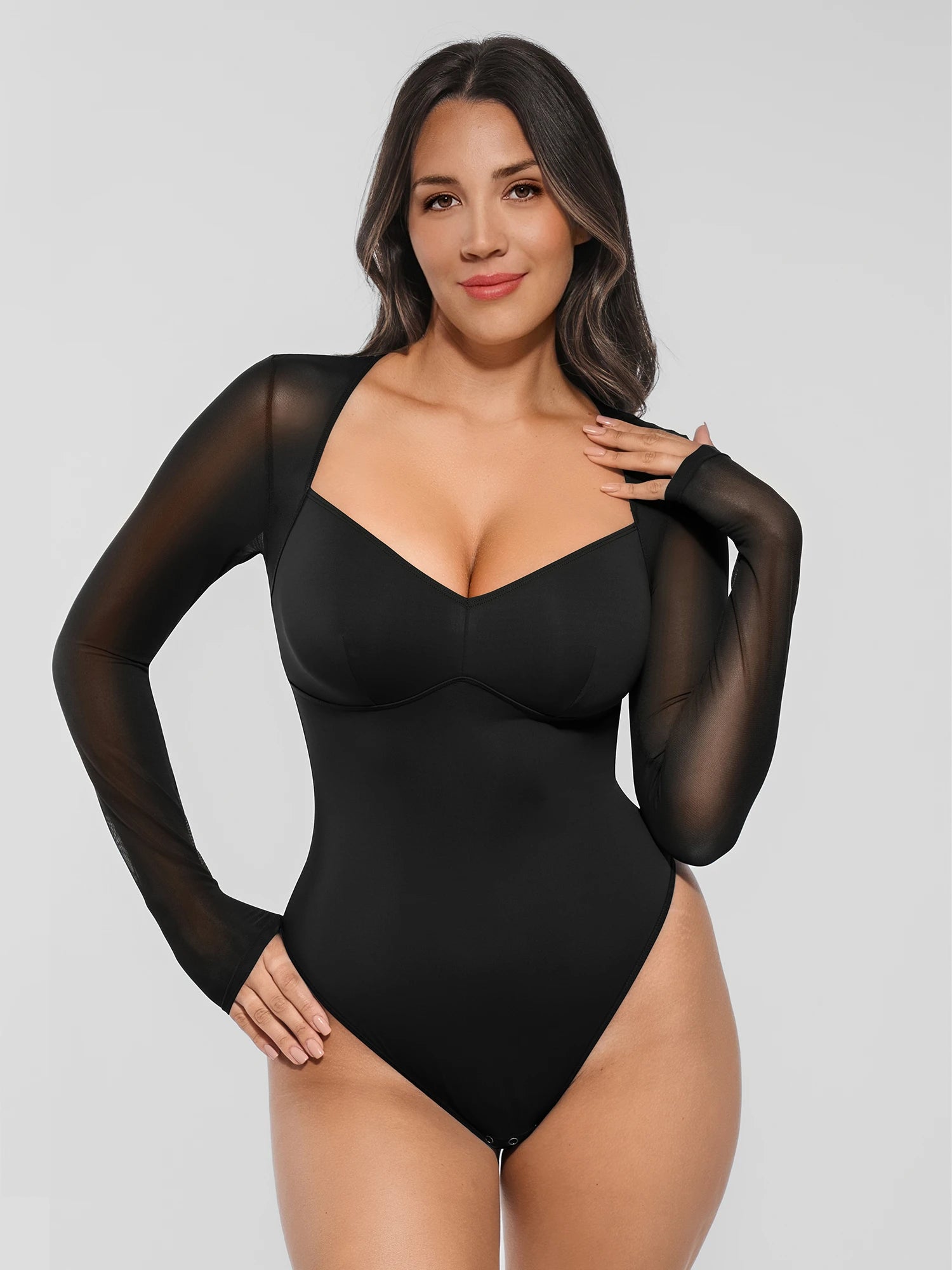
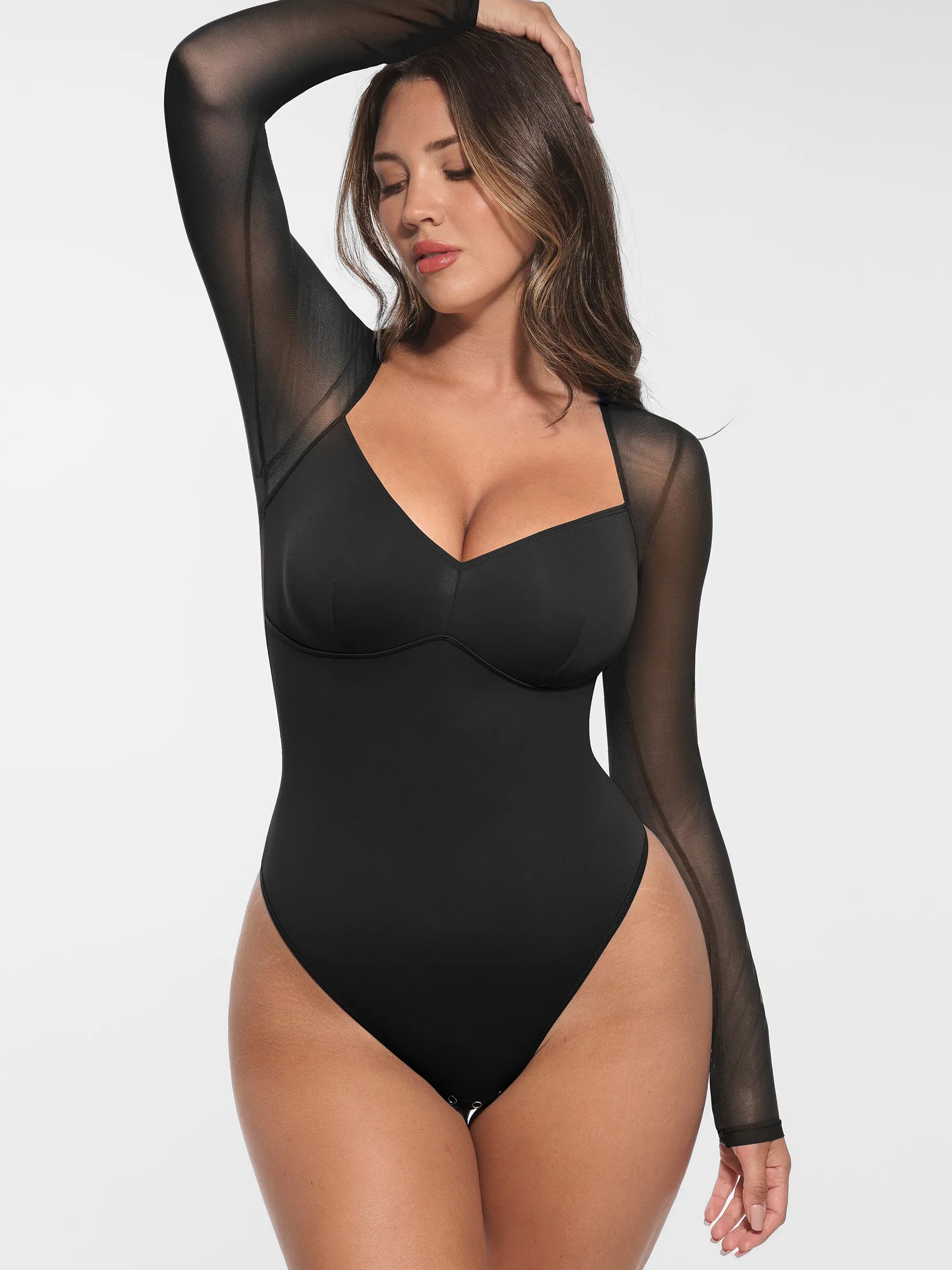
Look at the front, back, and side photos. Find the bust opening, back height, and leg length. “Full body” can describe different cuts. In the Feelingirl faja collection, for example, you can compare open-bust bodysuits and shaping shorts to see how coverage differs.
For recovery, compare those views with your surgical team's requirements, including any areas that need a particular design. A listing that mentions your procedure still needs checking against those instructions.
For everyday outfits, check whether the edges stay covered. If a leg opening extends below your skirt, compare a shorter cut. Changing size may leave you with the same visibility problem.
Check How It Opens and Adjusts
Find the front hooks or zipper, then check the straps and crotch opening. Multiple hook rows offer different fastening positions; adjustable straps let you change shoulder length.
Picture getting dressed and using the bathroom in that style. If the photos don't show how the opening works, ask for a close-up before you buy.
For recovery use, follow your instructions about adjustments. Having another hook position available doesn't establish when you should use it.
Check the Size Chart for That Style
Measure the areas requested by the chart, keeping the tape level. Use current measurements for everyday shaping. For a recovery purchase, confirm when the measurements should be taken.
If your waist falls in M and your hips in L, send both numbers and the product link to the seller. Ask how that model fits across those measurements.
A stage label tells you how the brand groups the product. The size chart helps you match your measurements, while the cut determines where it covers you. If neither size matches your waist and hips, ask about a different cut before ordering.
What If You Just Want Everyday Shaping?

Shopping for everyday shaping under your clothes? Start with what you plan to wear and where you want coverage. The next two options are for that everyday outfit decision. For post-surgical use, keep following the garment requirements you've been given.
When a V-Shaped Faja Fits Your Outfit
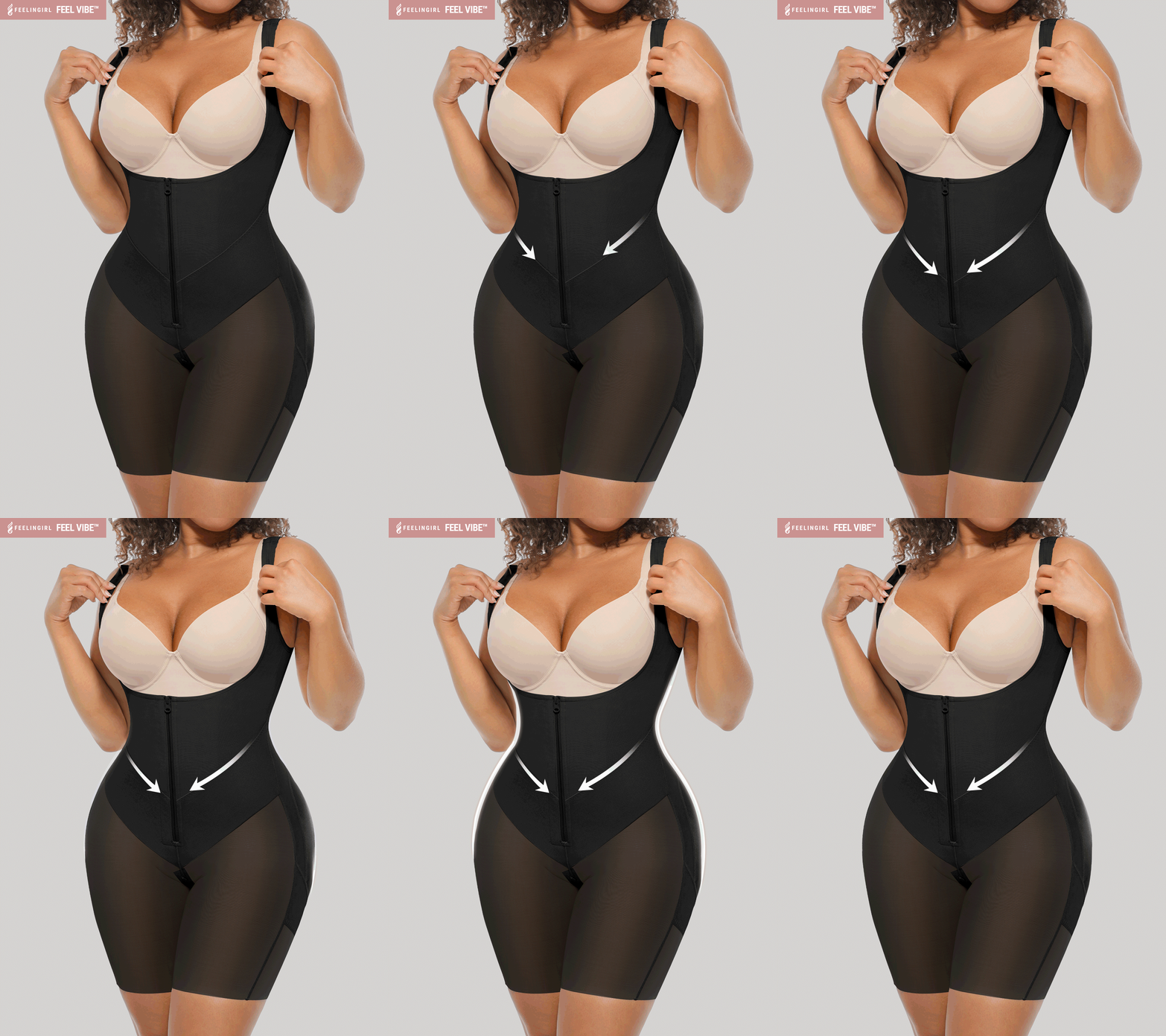
With a fitted dress, jumpsuit, or a tucked-in top and pants, you may want a smoother line around your waist. Check where the V-shaped detail sits on the faja. It can describe the tummy panel, so you'll still need to check the neckline separately.
For example, Feelingirl's V-Shaped Faja has a V-shaped tummy design and an open U-shaped bust. It's one option to compare when you want shaping around the waist while wearing your own bra.
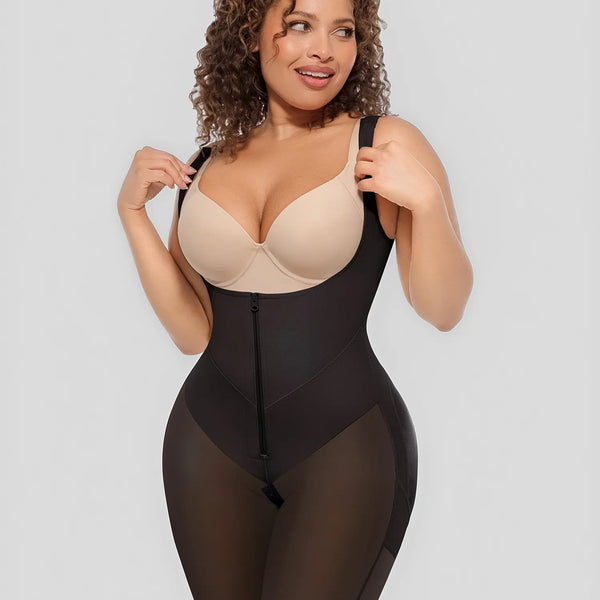
The visual goal is a smoother waistline under the outfit while you wear it. Check the straps, back height, and leg edges against your clothes. If they show, compare another cut.
When You Want More Full-Body Coverage
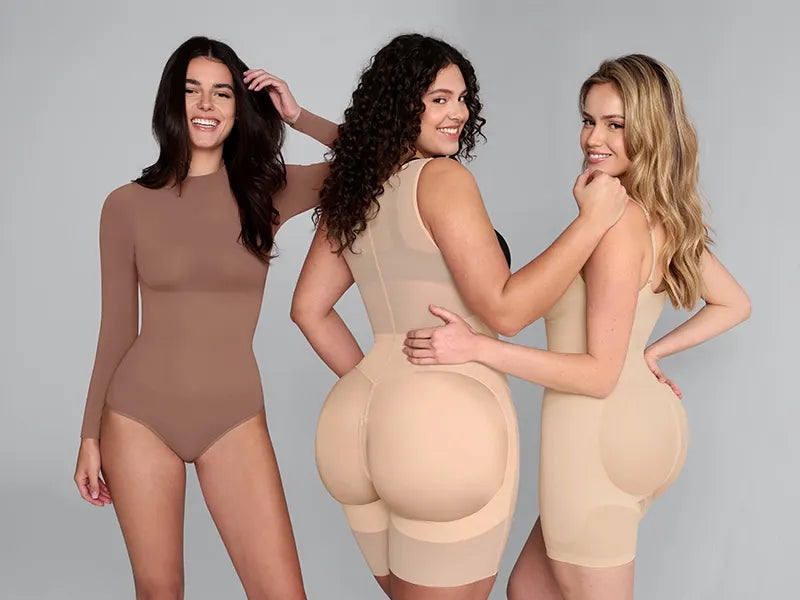
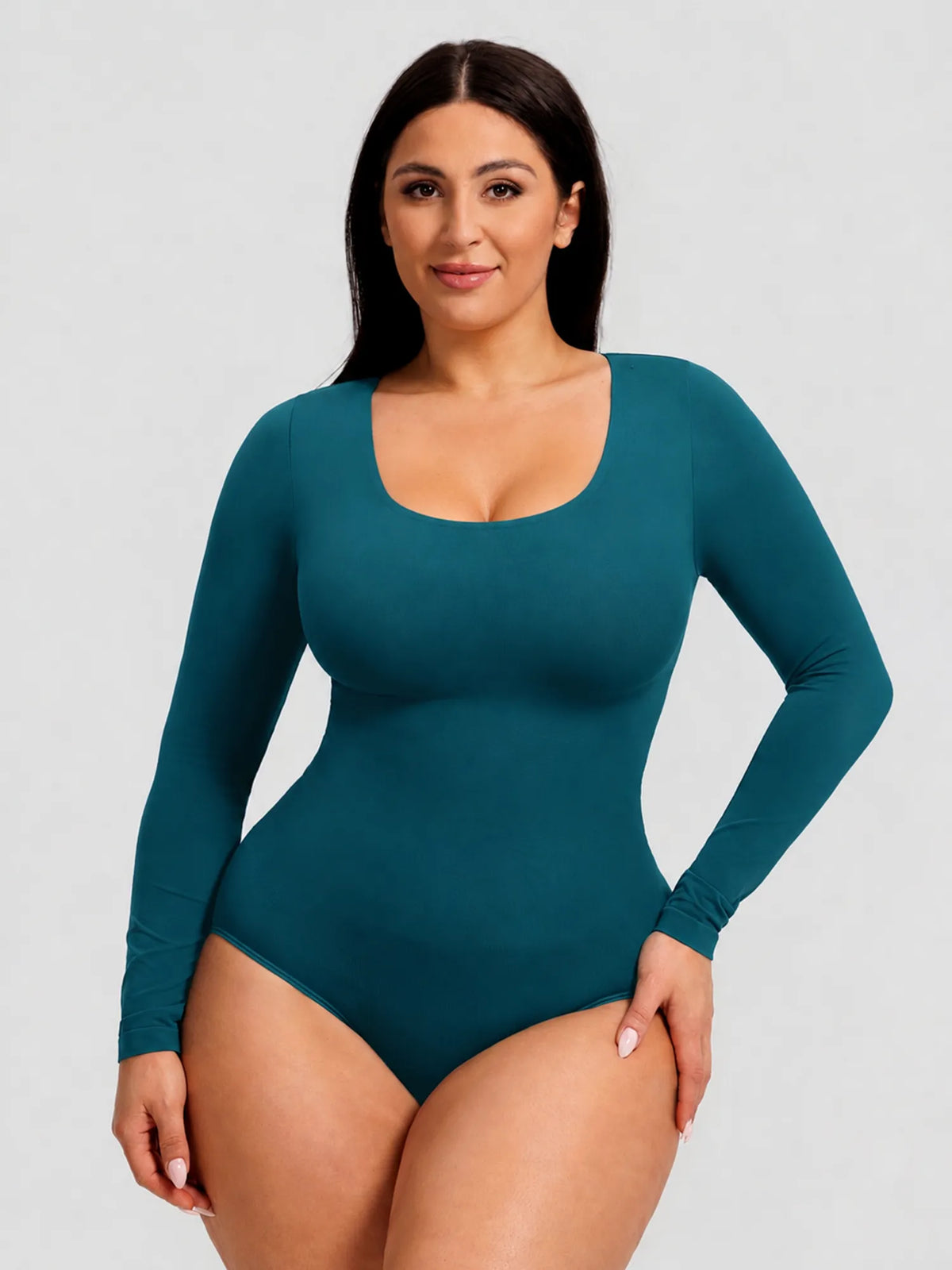
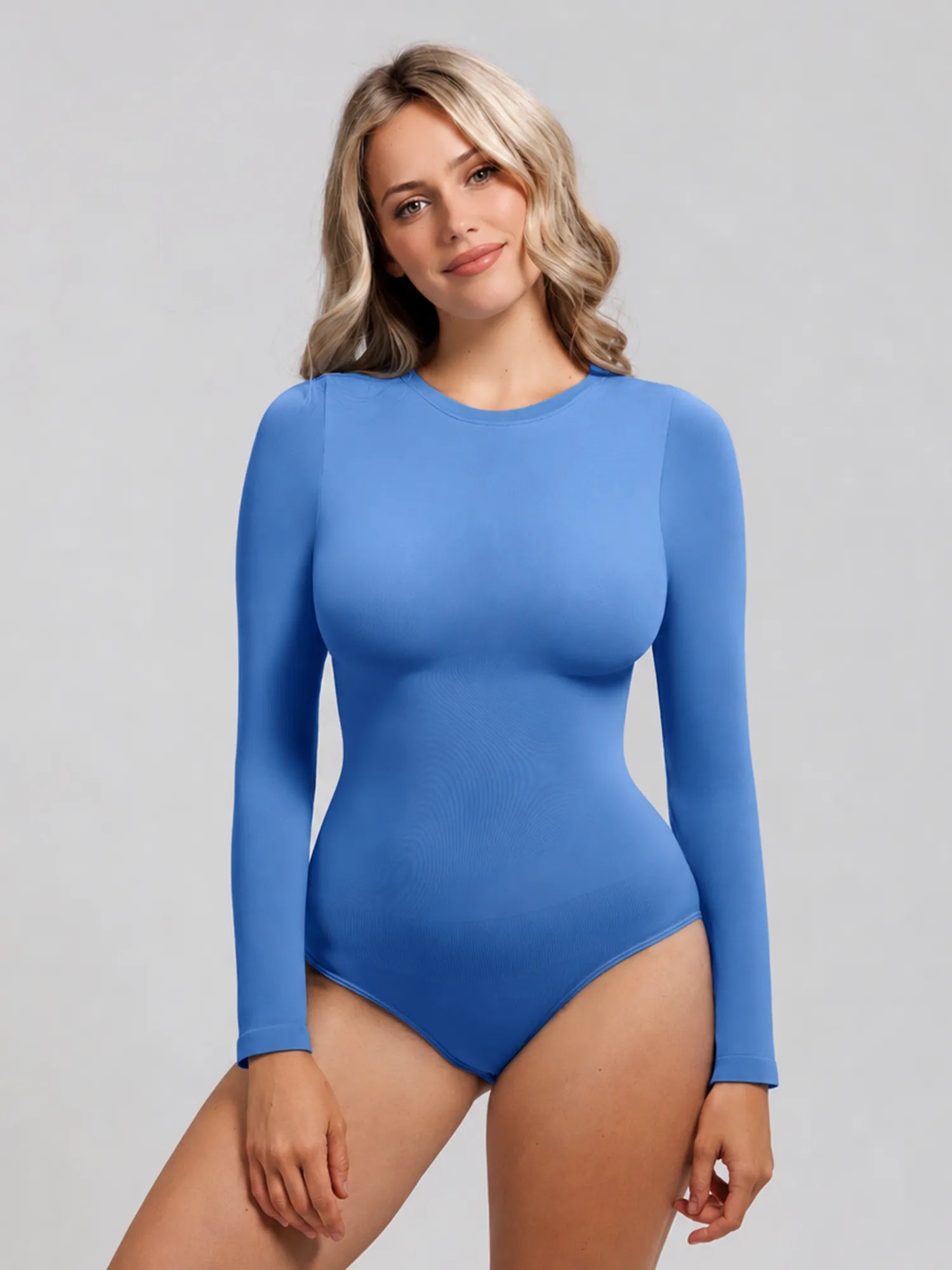
For a close-fitting dress, you may prefer coverage across more of your torso and upper legs. Compare fuller-coverage bodysuits with open-bust styles, depending on how you want to wear your bra.
The Feelingirl faja collection also includes shaping shorts. These are worth comparing for skirts or trousers when you mainly want waist, hip, and thigh coverage.
Try your chosen everyday style under the actual outfit. Stand, sit, and check whether edges show or shift. If the coverage works but the proportions don't, revisit the model's chart or compare another style.
Stage 1 and Stage 2 Faja FAQs
Should I Buy Both Fajas Before Surgery?
Ask what your clinic provides and whether it expects a later purchase. If another garment is planned, confirm the specifications and measuring date before buying a future size.
How Long Do You Wear a Stage 1 Faja?
Follow your surgical team's schedule. Ask separately about daily wearing hours and when the garment should be reassessed.
Is Stage 2 Always Tighter Than Stage 1?
Within a brand, it often describes firmer construction. Across brands, compare the actual products. A smaller size may feel tighter without matching the structure you need.
What If a Faja Doesn't List a Stage?
For everyday shaping, compare coverage, construction, and sizing. For recovery, share the model's specifications with your surgical team. A “strong compression” description alone doesn't confirm it meets their requirements.
Do I Need a Stage 3 Faja Too?
Only consider another garment if you have a reason to buy it. Brands may use Stage 3 for a firmer shaping range. Check the definition and, for recovery use, whether a further change is recommended.
Conclusion
Stage 1 usually means a softer, stretchier faja, while Stage 2 often means a firmer construction. Check how the brand defines each label and what actually changes between the models.
You may need another garment if your surgeon recommends it, but you don't have to buy both automatically. If your current one feels different, explain where the fit has changed and confirm what to look for next. For everyday shaping, let your outfit guide the coverage, then use the specific style's size chart.