






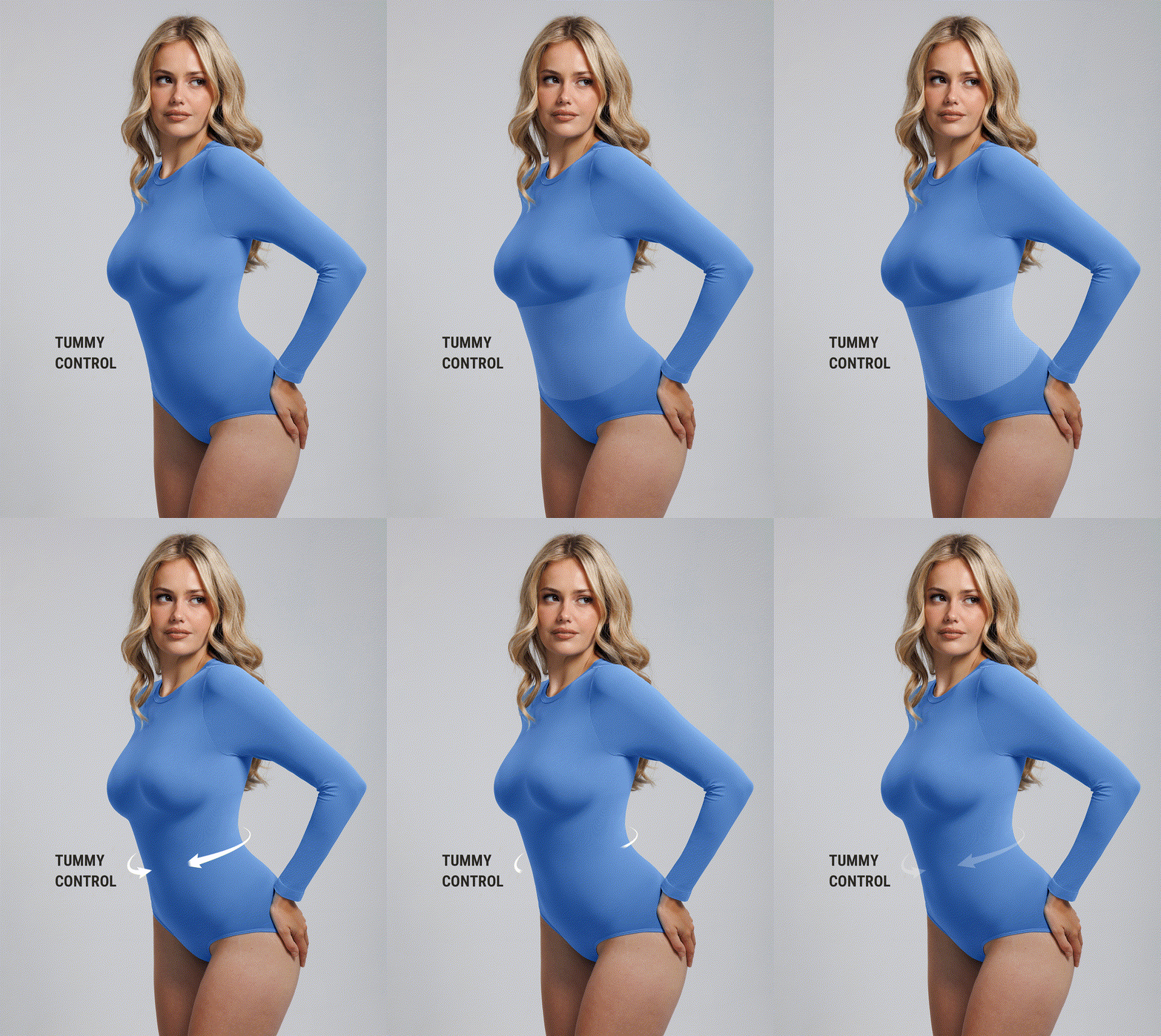


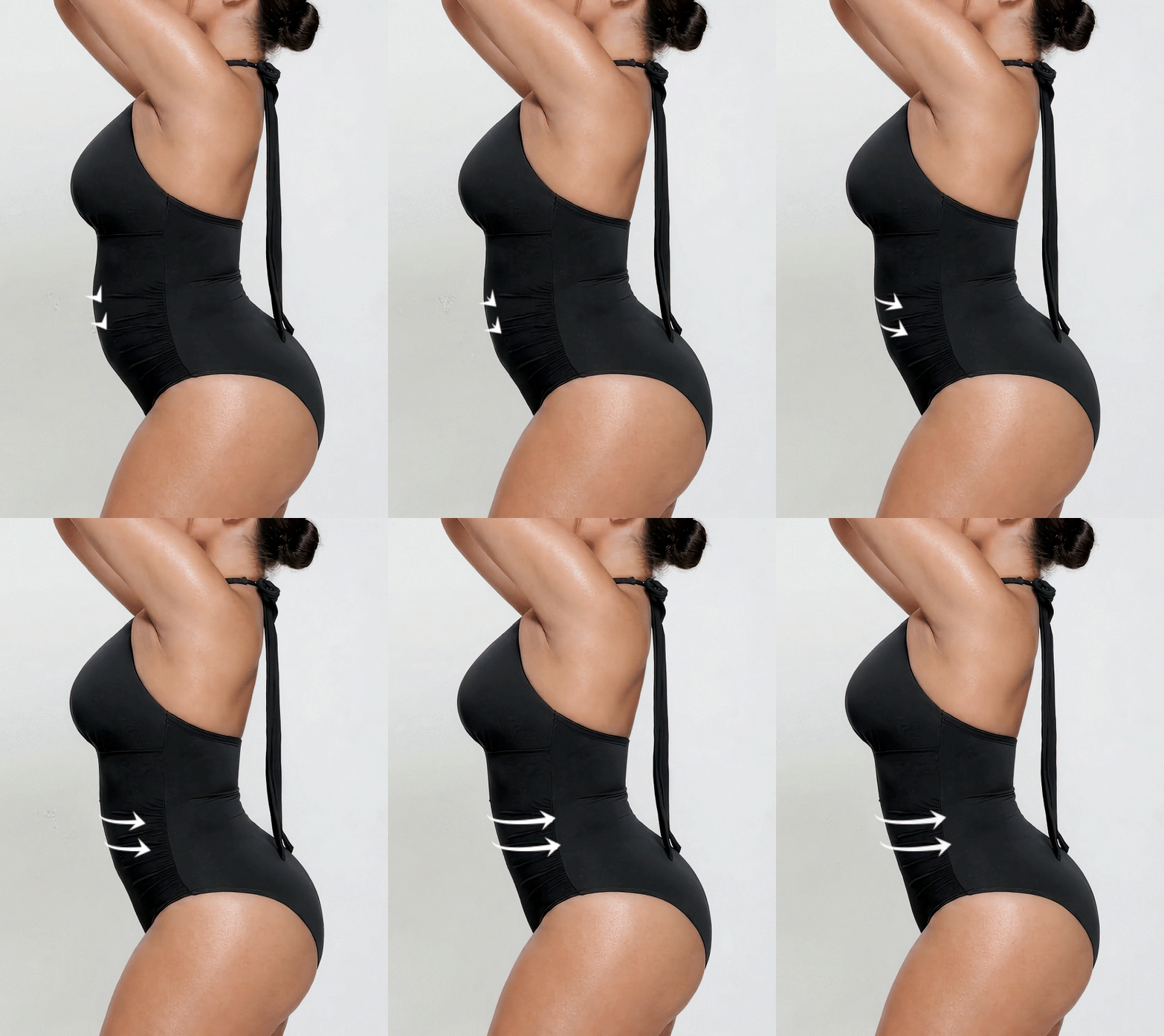
What Bra to Wear With a Halter Top
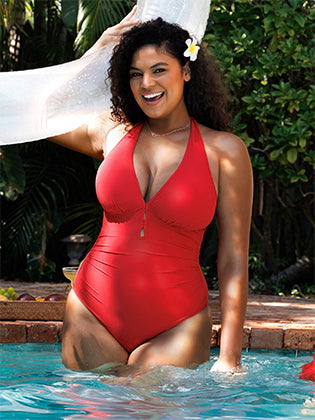
Not sure which bra will stay hidden under your halter top and still give you enough support? Start with the back of the top. If it covers a bra band, a strapless or convertible bra may work. If it's fully open, you'll need a backless solution—or nipple covers if coverage is all you want.
Below, you'll learn how to match each option to your neckline, use adjustable straps, and tell whether you need a different size or a different bra altogether.

Choose Your Bra by the Back, Neckline, and Support You Need
Try your top with a bra you already own, then use these three checks to narrow your options:
-
Start with the back. If the top covers the band, you can compare strapless bras and compatible convertible styles. If the band shows, rearranging the shoulder straps won't hide it; look for an option that leaves the opening bare.
-
Follow the neckline. Check the front and sides. A deep V may expose the center between the cups, while a high-neck halter can reveal the outer cups beside narrow armholes. Rule out shapes that extend beyond the fabric.
-
Choose your support level. If you want lift and shaping, compare bras that fit within those boundaries. If you're comfortable without support and only want nipple coverage, consider covers. If your top leaves no room for the support you need, look for built-in support or a design made for that opening.
Use this shortlist once you know what your top can cover:
|
Your Top and Support Needs |
Start With |
What Could Rule It Out? |
|
Covered back; you want bra support without shoulder straps |
Strapless bra |
Cups or side panels extend beyond the fabric |
|
Covered back; straps could follow the neckline |
Convertible bra |
Its supported strap settings don't match your top |
|
Fully open back; you only want nipple coverage |
Nipple covers |
You also want lift or shaping |
|
Open back; you need support |
Support designed for the opening or built into the top |
A standard band crosses the exposed area |
Bra Options for Different Halter Tops
Strapless Bras for Halter Tops With Covered Backs
A strapless bra is a good starting point when the shoulders are the problem and the back is covered. You get cups and a band without having to route straps around your neckline.
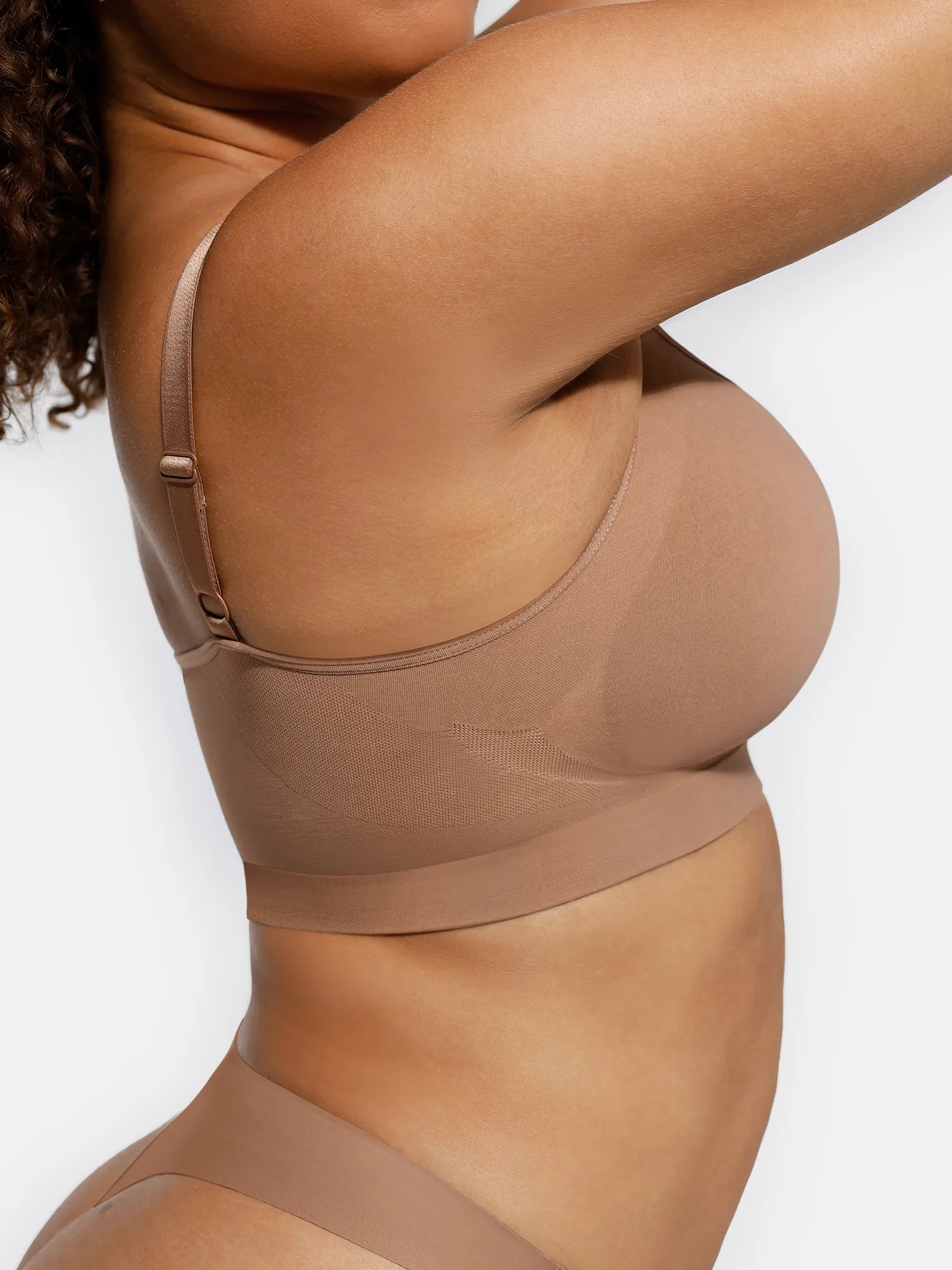
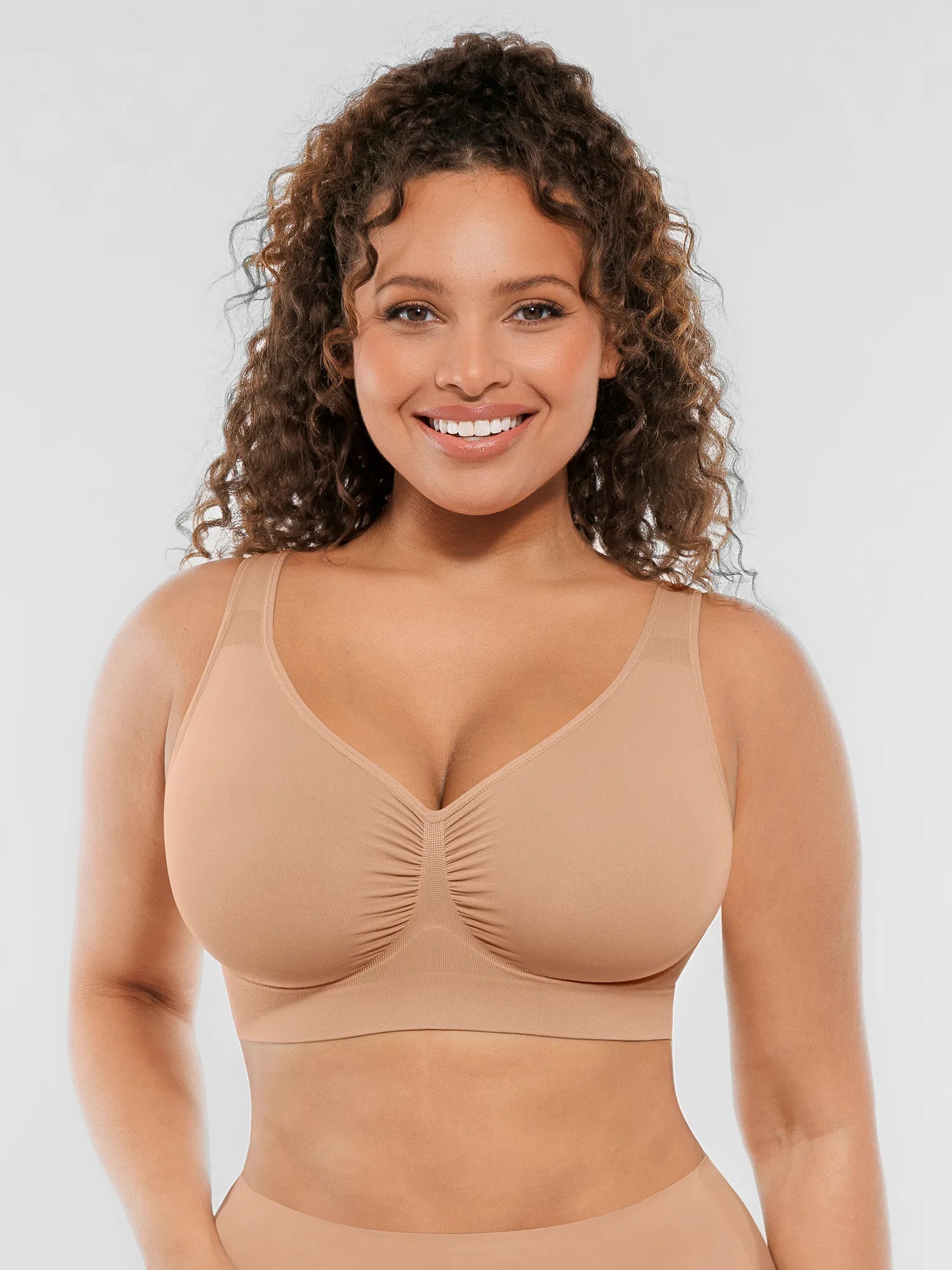
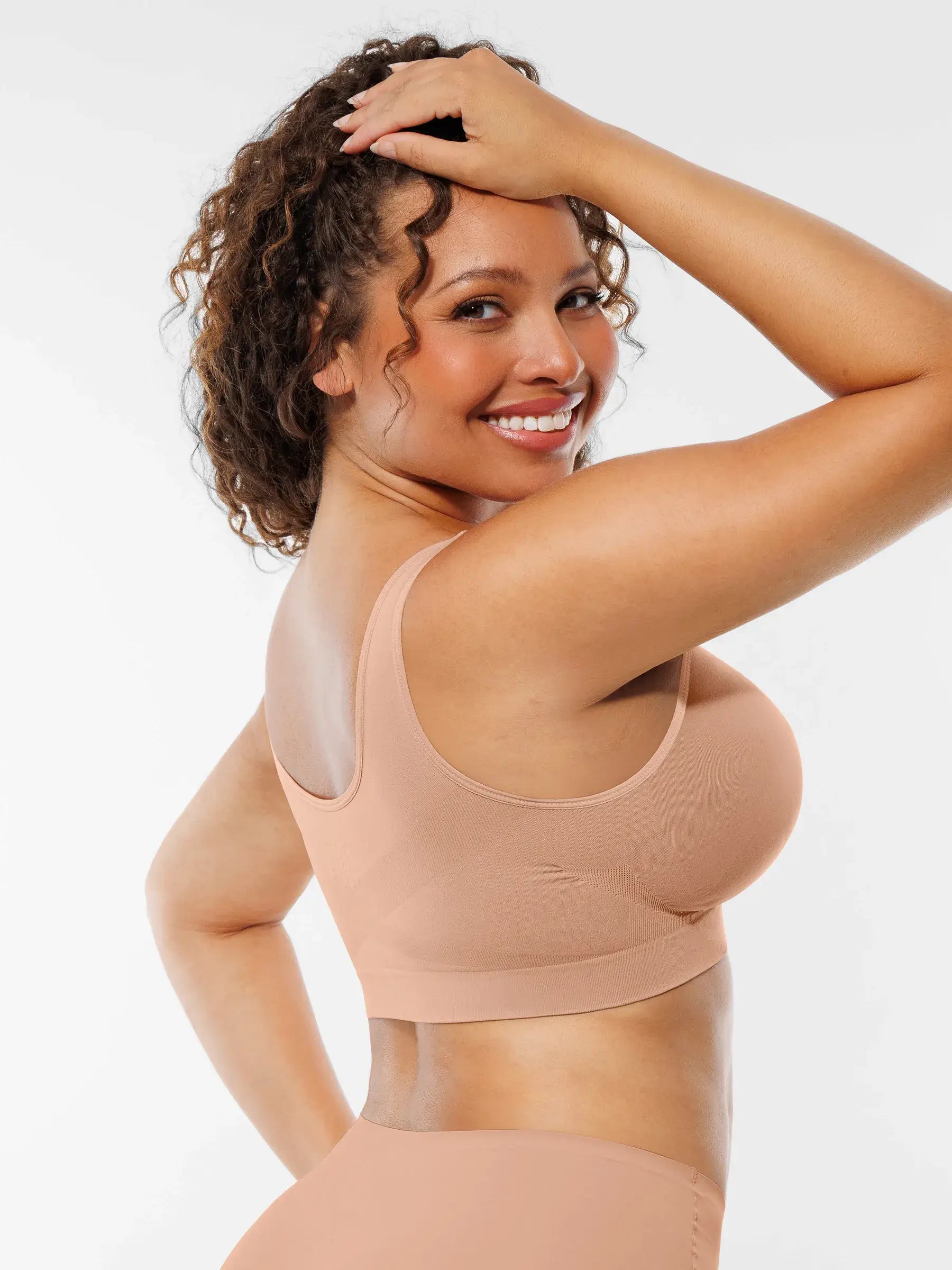
For a halter with enough front coverage, Feelingirl's strapless bandeau has fixed padded cups and detachable straps. Its product page lists light support, so consider it when that matches what you want rather than assuming a padded cup means strong lift.
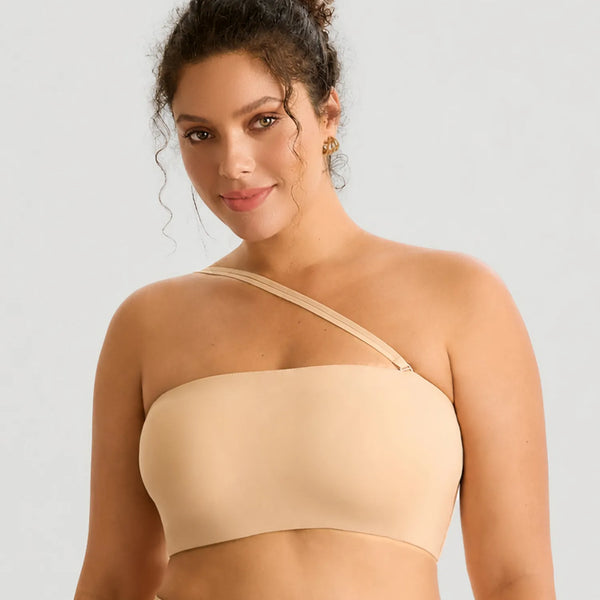
Try it under the top before deciding. A bandeau's relatively straight upper edge may sit neatly beneath a higher neckline but show across a deep V. If that edge is visible while the bra fits well, a smaller size isn't the answer—you need a different cup shape.
Convertible Bras for Adjustable Strap Placement
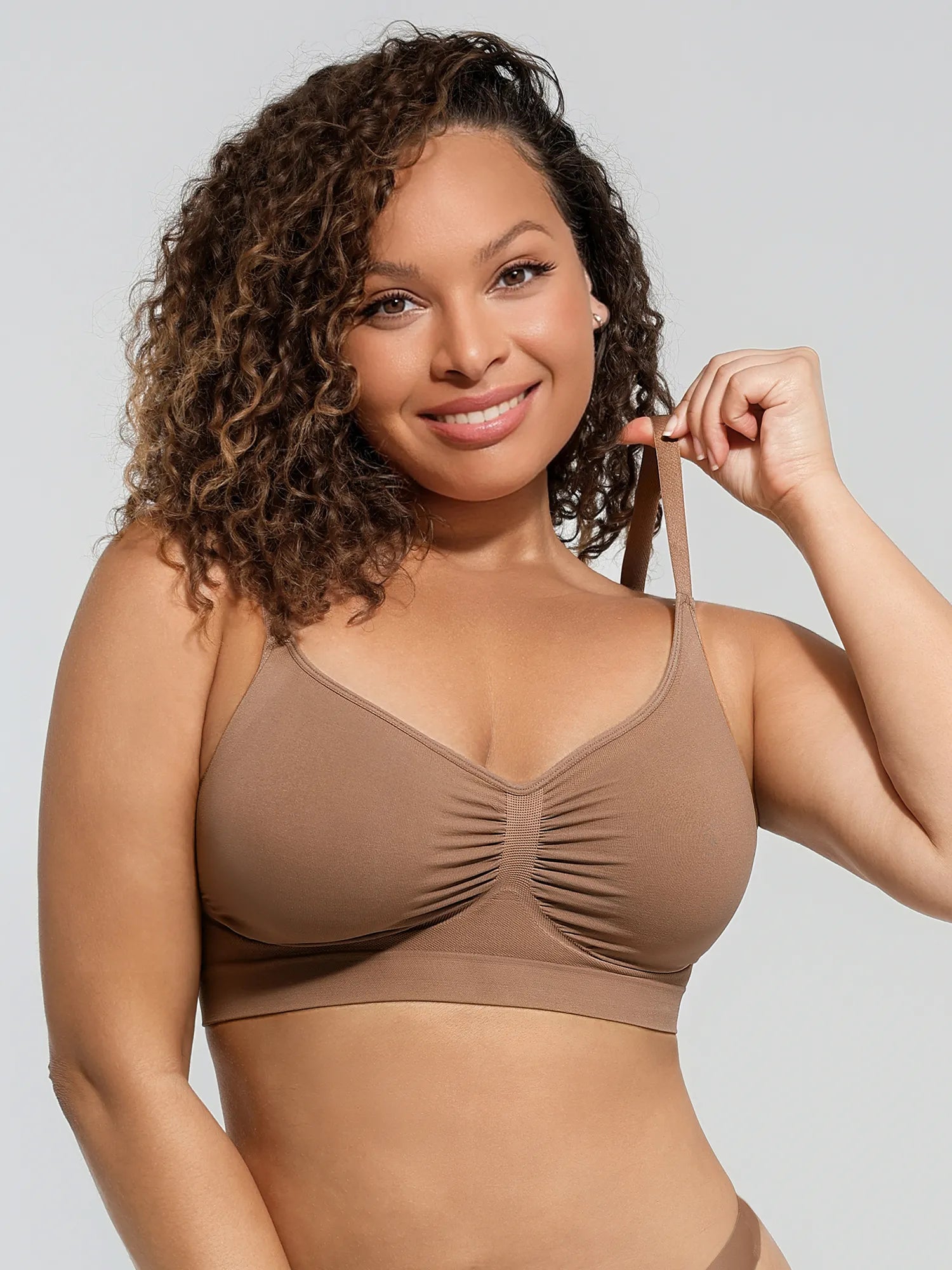
A convertible bra helps when you want to keep straps but move them away from the exposed parts of your shoulders. Depending on the design, detachable or adjustable straps can create straight, crossed, single-shoulder, or halter arrangements.
For example, compare the strap arrangements shown for Feelingirl's wireless push-up bra with your top. The bandeau above also includes detachable straps, with crisscross and single-shoulder settings listed on its page.
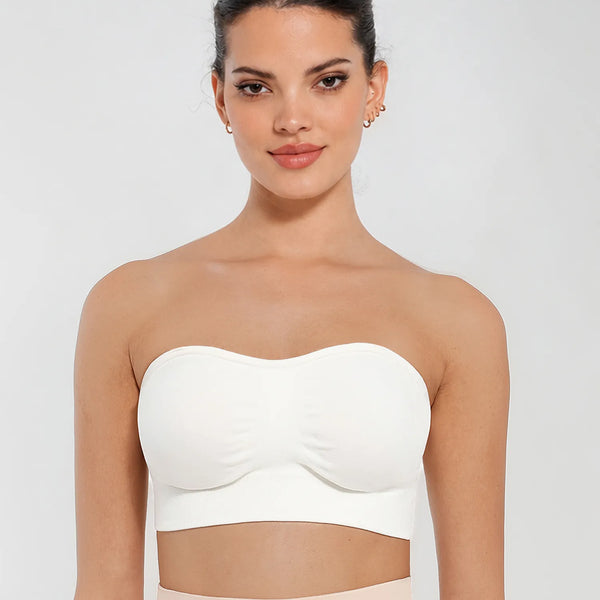
Start with the bra's instructions: which ends detach, and where can they reconnect? A crossback forms an X across your back; a halter setting goes behind your neck. They aren't interchangeable, and not every convertible bra supports both.
Choose a supported arrangement that follows the fabric, then adjust the straps with the top on. They should lie comfortably without pulling the cups upward. A high neckline may conceal this setup; a deep V, narrow neck tie, or open back may still expose it.
If the straps pull on your neck, try another setting rather than tightening them further. If the bra's band or cups show, changing the straps won't fix that part of the match.
Nipple Covers for Backless Halters When You Only Need Coverage
When your halter leaves the back bare, silicone nipple covers offer coverage without a shoulder strap or back band. They're useful if you're comfortable without a bra and mainly want to reduce nipple show-through.
They don't provide the lift, shaping, or support of a bra. That matters even when a size chart includes your cup size: coverage size tells you what area a cover fits, not how much weight it supports.
Follow the product's application instructions, then check the covers under your top in daylight. A shade close to your skin tone may reduce contrast under light fabric, but a thin top can still reveal the edges.
Lean forward, too. A loose halter can move away from your chest and expose the covers even if they stay in place. If that happens, choose a more secure neckline or another coverage solution.
If you need support as well as coverage, consider a top with built-in cups and a supportive underbust section, or a bra designed specifically for the opening. Adhesive bras and breast tape are other possibilities, but their support, placement, and wear instructions vary; they aren't automatic substitutes for your usual bra.

Check the Fit and Finish Before You Head Out
Once you've chosen an option, test it with the outfit rather than judging it in the mirror alone. Raise your arms, sit, and lean forward. Then check whether anything moved, pulled, or became visible.
What you notice tells you what to change:
-
The band slips or rides up: Recheck your measurements against that product's size chart. Don't automatically size down to make it tighter.
-
Breast tissue spills over the cups: Compare the cup size and coverage. Tightening the straps won't create more room.
-
The bra stays put but peeks out: Compare another shape or edge position rather than treating it as a sizing problem.
-
The outline shows through: Check in daylight. Color contrast and raised edges are different issues; matching your skin tone won't flatten a visible seam.
For a fuller bust, give the movement check extra attention. The cups should contain your breasts, and the band should stay in place without relying on a tight neck strap. If a light-support style doesn't give you enough hold, choose a more structured option that fits beneath the top.
Frequently Asked Questions
Can You Wear a Regular Bra With a Halter Top?
Yes, if the top covers its straps, cups, and band—or if you like the straps showing. Try your usual bra first. You may only need a different strap arrangement rather than a new bra.
How Do You Hide Bra Straps Under a Halter Top?
Choose a strapless bra or a supported convertible setting that follows the neckline. A racerback clip pulls straps inward, but it won't necessarily hide them beneath a narrow halter. Don't cut or detach fixed straps to improvise another setting.
What Bra Works With a Backless Halter Top?
For a fully open back, you need an option without a band across the exposed area. Nipple covers suit coverage-only needs. If you want lift, compare support designed for the opening or choose a top with built-in support.
What Bra Works Best With a Halter Top for a Large Bust?
For a covered back, start with a strapless or compatible convertible bra that offers enough cup coverage and support for you. Check the product's size range and support level. A fuller bust doesn't make halters off-limits, but nipple covers alone won't provide bra support.
Can You Wear a Halter Top Without a Bra?
Yes, if you feel comfortable. Check how sheer the fabric is and whether the neckline stays close to your body when you bend forward. Add covers for nipple coverage or choose built-in support if you want more hold.
Find the Right Match for Your Halter Top
For a covered-back halter, a strapless or compatible convertible bra is a useful starting point. For a fully open back, choose nipple covers only if coverage is enough; if you want lift, you'll need support designed for the opening. Once you've narrowed the options, let the neckline and your fit decide—not just whether the shoulder straps disappear.