






What Is A Faja? Everything You Need To Know Before Wearing One
If you are new to fajas, it can be hard to know whether you need one for smoothing, support, recovery, or everyday shaping. This guide explains what a faja does, how it differs from regular shapewear, how to choose the right style, and how to wear it safely and comfortably.
What Is A Faja?
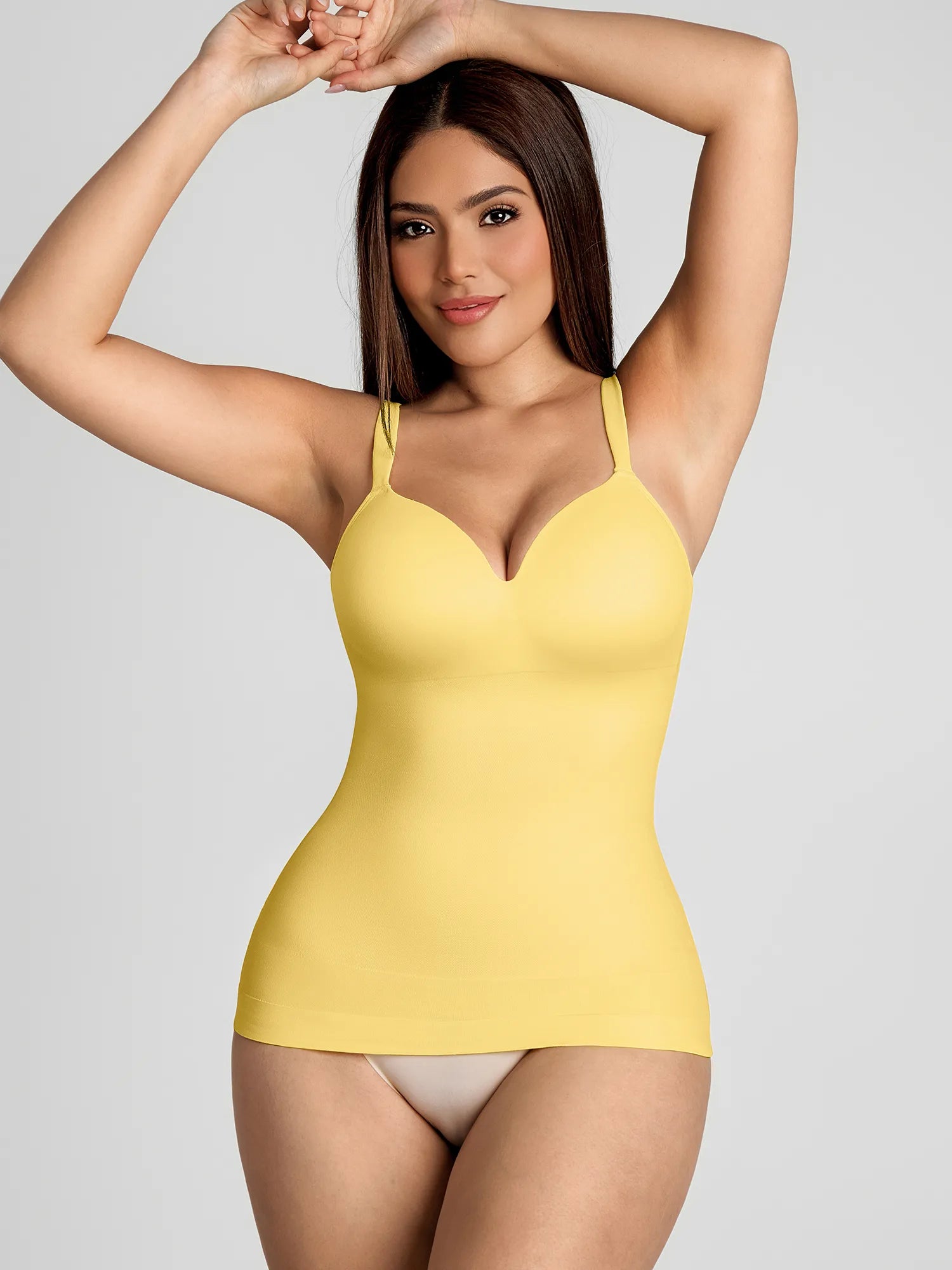
A faja is a compression garment designed to shape, smooth, and support the body. Some are made for daily outfits, while others are used after surgery under medical guidance. Compared with light shapewear, a faja usually feels firmer and more structured. It may include hooks, zippers, adjustable straps, tummy panels, butt-lifting seams, or full-body coverage.
How A Faja Works
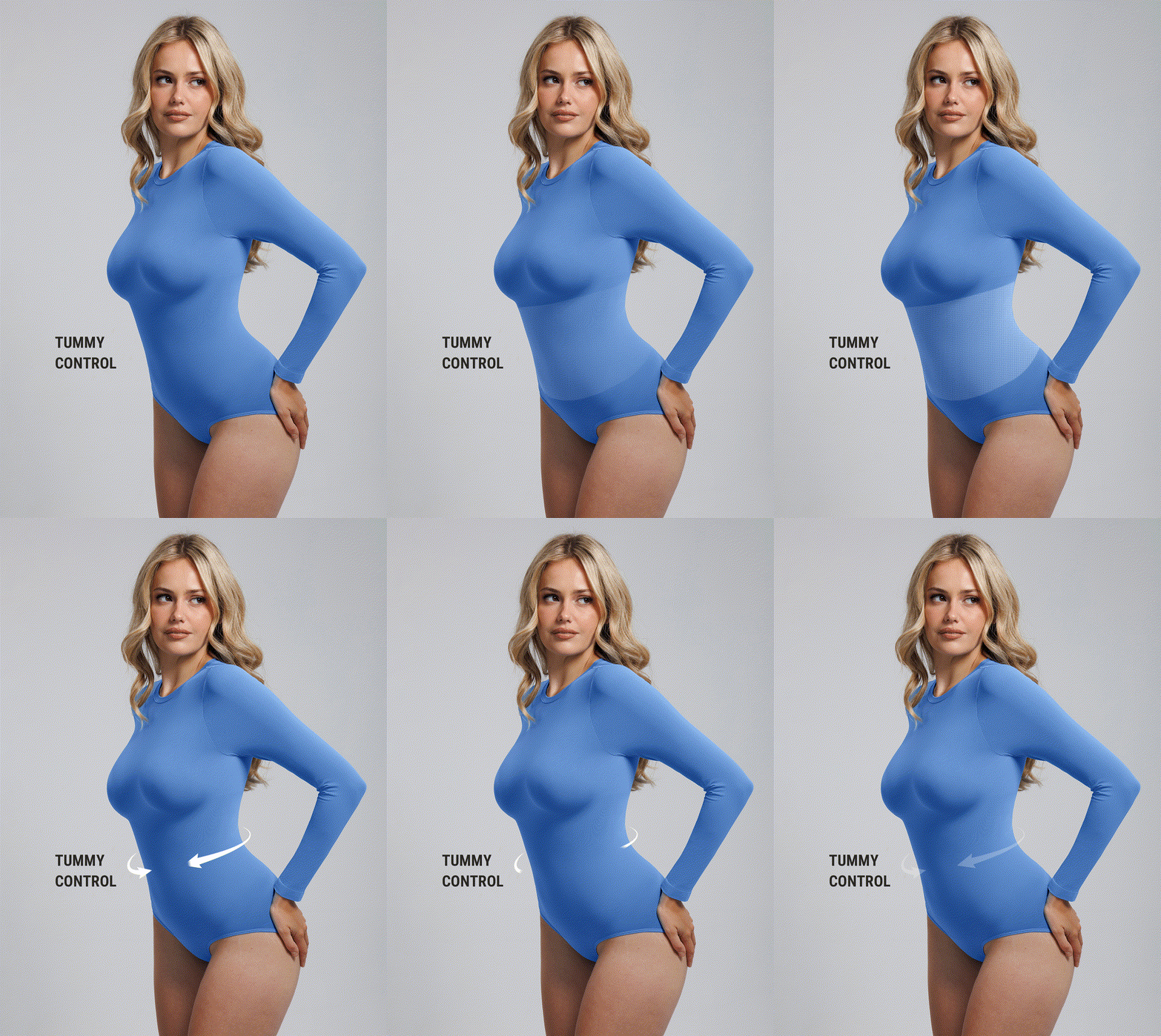
A faja applies steady pressure to targeted areas. This helps smooth the stomach, define the waist, and create a cleaner line under clothing. It does not burn fat or permanently change your body by itself. Its main purpose is temporary shaping while you wear it.
Key Benefits And Limits
A well-fitting faja can reduce waistline bulges, support the midsection, smooth the back, and help fitted dresses or pants sit better. However, it should not feel painful, restrict breathing, cause numbness, or make sitting difficult. Sizing down too much usually causes rolling, digging, and visible lines.
How A Faja Differs From Regular Shapewear
Regular shapewear is often lighter and easier to wear for casual smoothing. A faja is usually firmer, more structured, and more targeted. Choose a faja when you want stronger tummy control, fuller body shaping, or more secure support under fitted outfits.

Common Types Of Fajas
Different fajas are made for different goals. The best style depends on where you want shaping, what you plan to wear, and how much coverage you prefer.
High-Waist Faja
A high-waist faja focuses on the waist, tummy, and lower abdomen. This style works well under high-waisted jeans, skirts, trousers, and dresses. It is a good option if you want tummy control without a full bodysuit. Look for a secure top edge so it does not roll down.
Full Body Faja
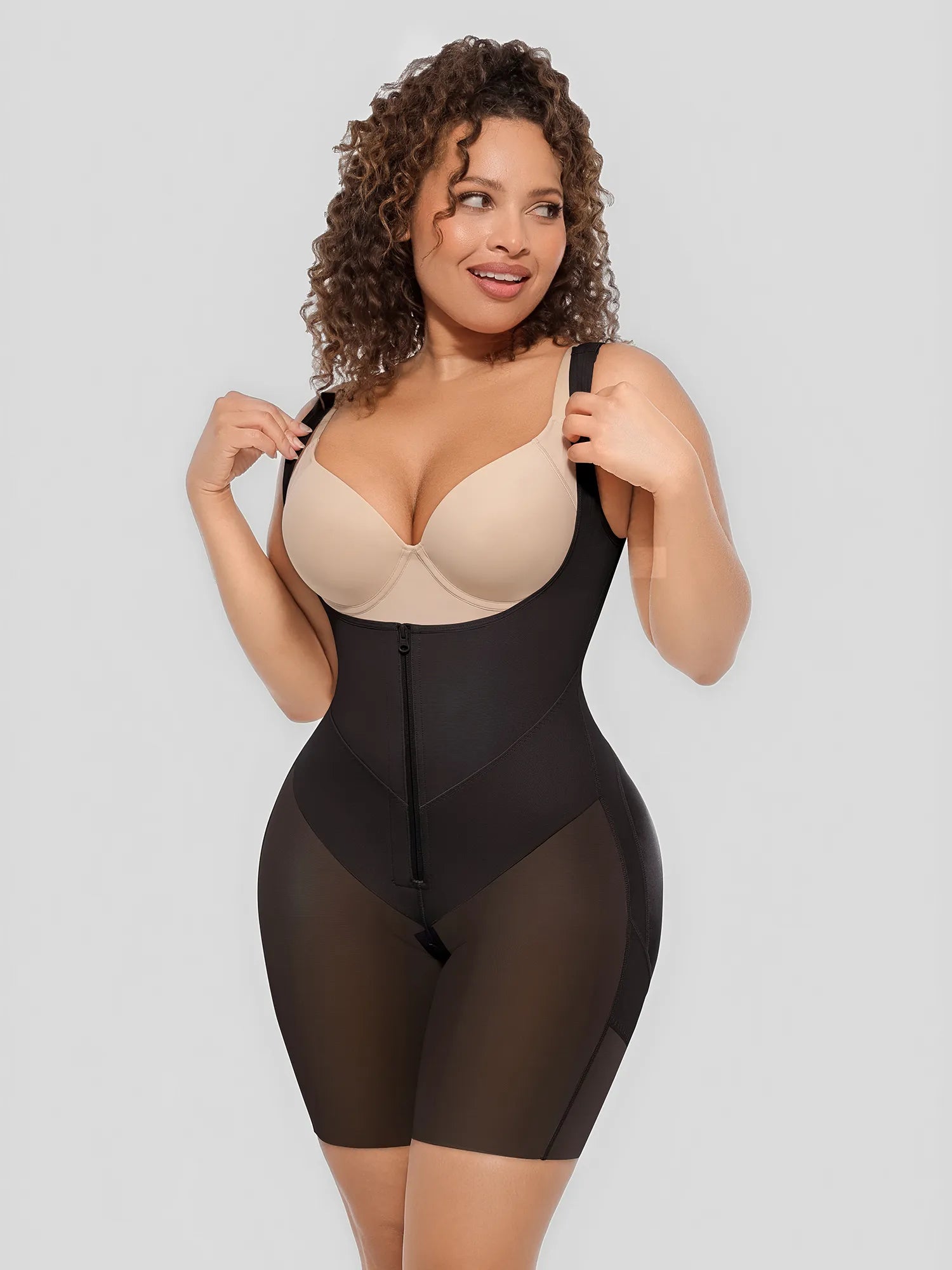
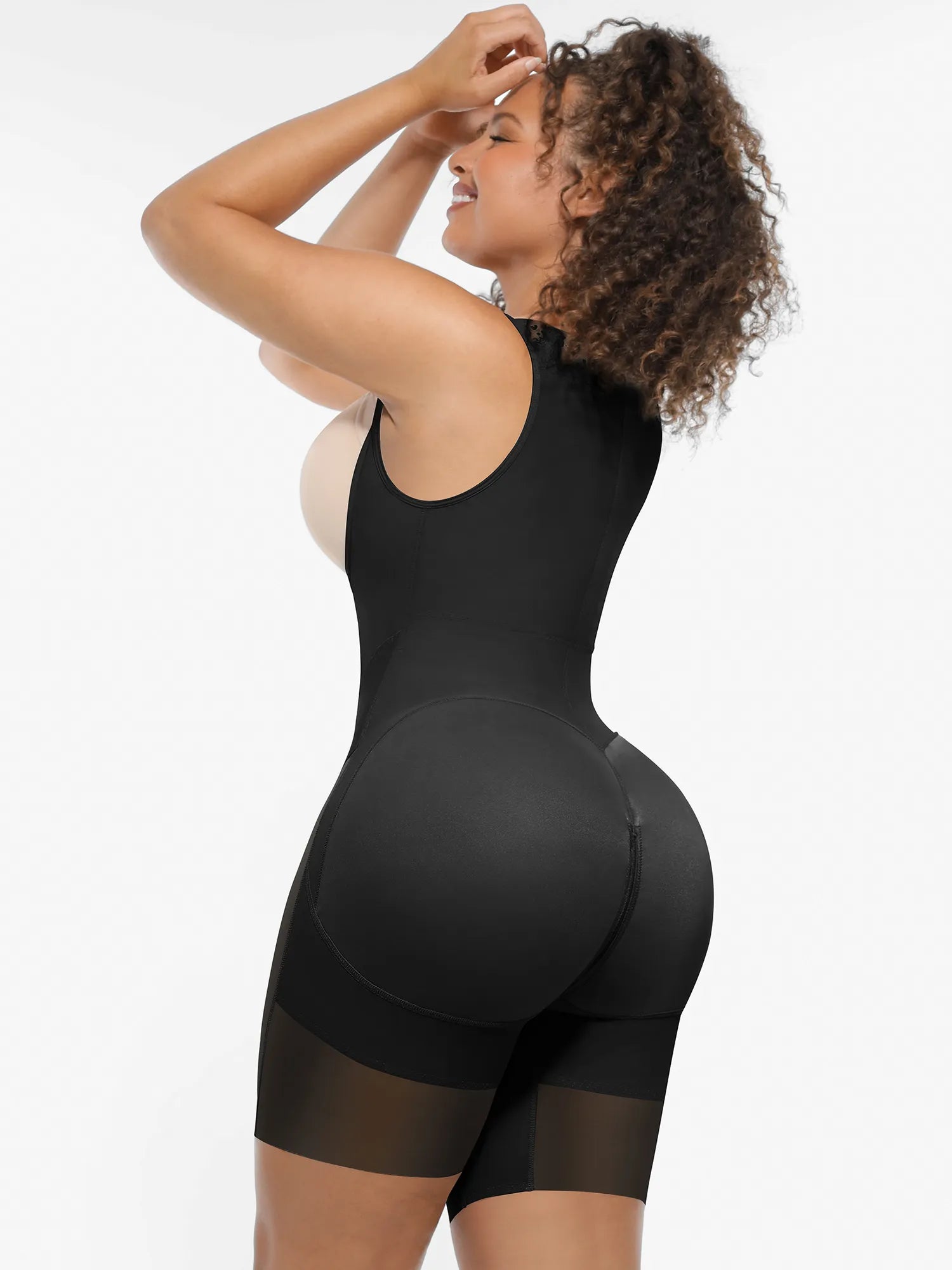
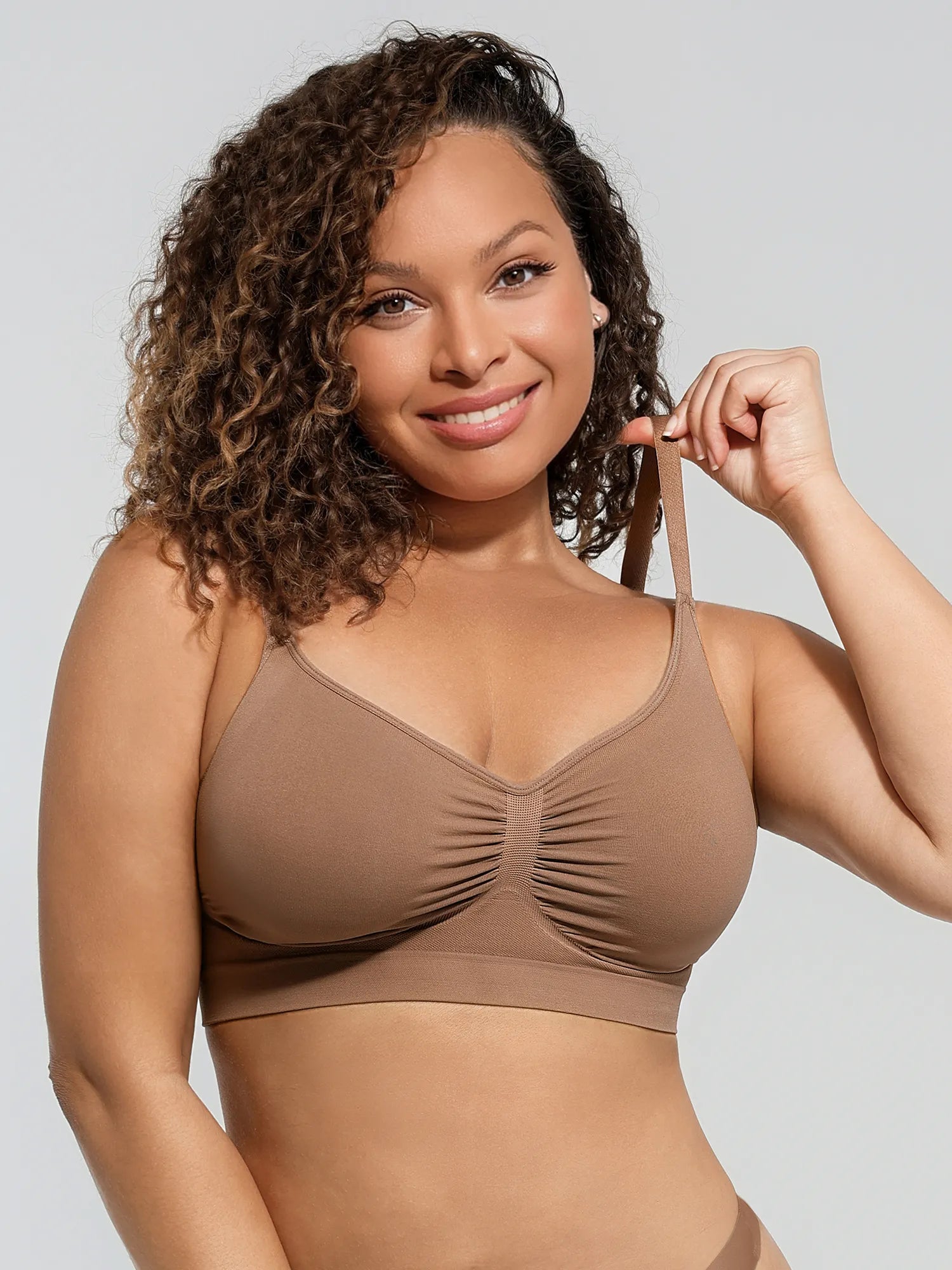
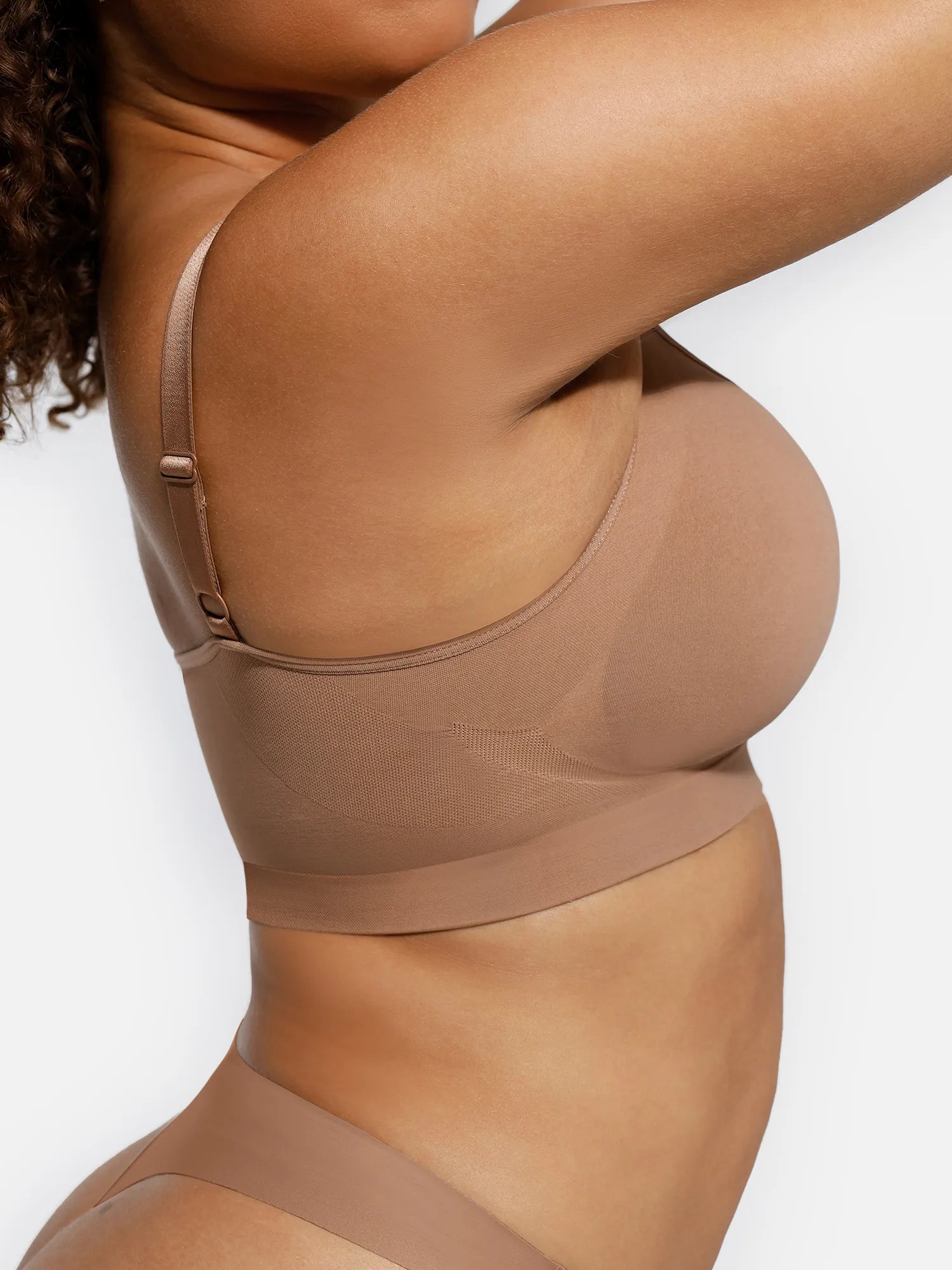
A full body faja provides coverage from the upper torso to the hips, thighs, or mid-thigh area. Some styles include an open-bust design, while others offer chest coverage. Many full body designs also have adjustable straps and butt-lifting construction.
This style is a strong choice if you want more complete shaping across the waist, abdomen, back, hips, and thighs. It can be especially helpful under fitted dresses, bodycon outfits, or formalwear.
Shorts-Style Faja
A shorts-style faja extends through the hips and thighs. It is designed to smooth the tummy, hips, and upper legs while helping prevent thigh chafing.
This style is practical under skirts, dresses, loose pants, and longer fitted outfits. It can also help create a smoother transition from the waist to the thighs.
Post Surgery Faja
A post surgery faja may be used after procedures such as liposuction, tummy tuck, BBL, or body contouring. It may support healing tissues, manage swelling, and keep compression even. Choose this type based on your doctor’s instructions, not guesswork.
Choosing The Right Size And Compression Level
Choosing a faja is not the same as choosing regular clothing. Your goal, measurements, outfit, and comfort level should all guide your choice.
Choose By Your Main Goal
For everyday smoothing, choose medium compression and a style you can move in comfortably. For special occasions, firmer compression and fuller coverage may work better. For tummy control, look for reinforced abdominal panels. For butt-lifting support, choose lifting seams or sculpted panels that shape without flattening.
Measure Waist, Hips, And Torso Correctly
Use a soft measuring tape and stand naturally. Measure your natural waist, the fullest part of your hips and butt, and your lower abdomen if the size chart asks for it. For bodysuit fajas, torso length also matters because a short torso fit can pull at the shoulders.
Pick The Right Compression Level
Light compression gives gentle smoothing. Medium compression offers more noticeable shaping while staying beginner-friendly. Firm compression gives stronger control for events or fitted outfits. Choose the lowest compression level that gives you the result you want.
Consider Your Outfit

Your outfit should guide the faja style. A bodycon dress may need a seamless full body or shorts-style faja. High-waisted pants may work better with a high-waist faja. Low-cut tops may need an open-bust design. For thin fabrics, avoid bulky seams, thick hooks, and tight leg bands.
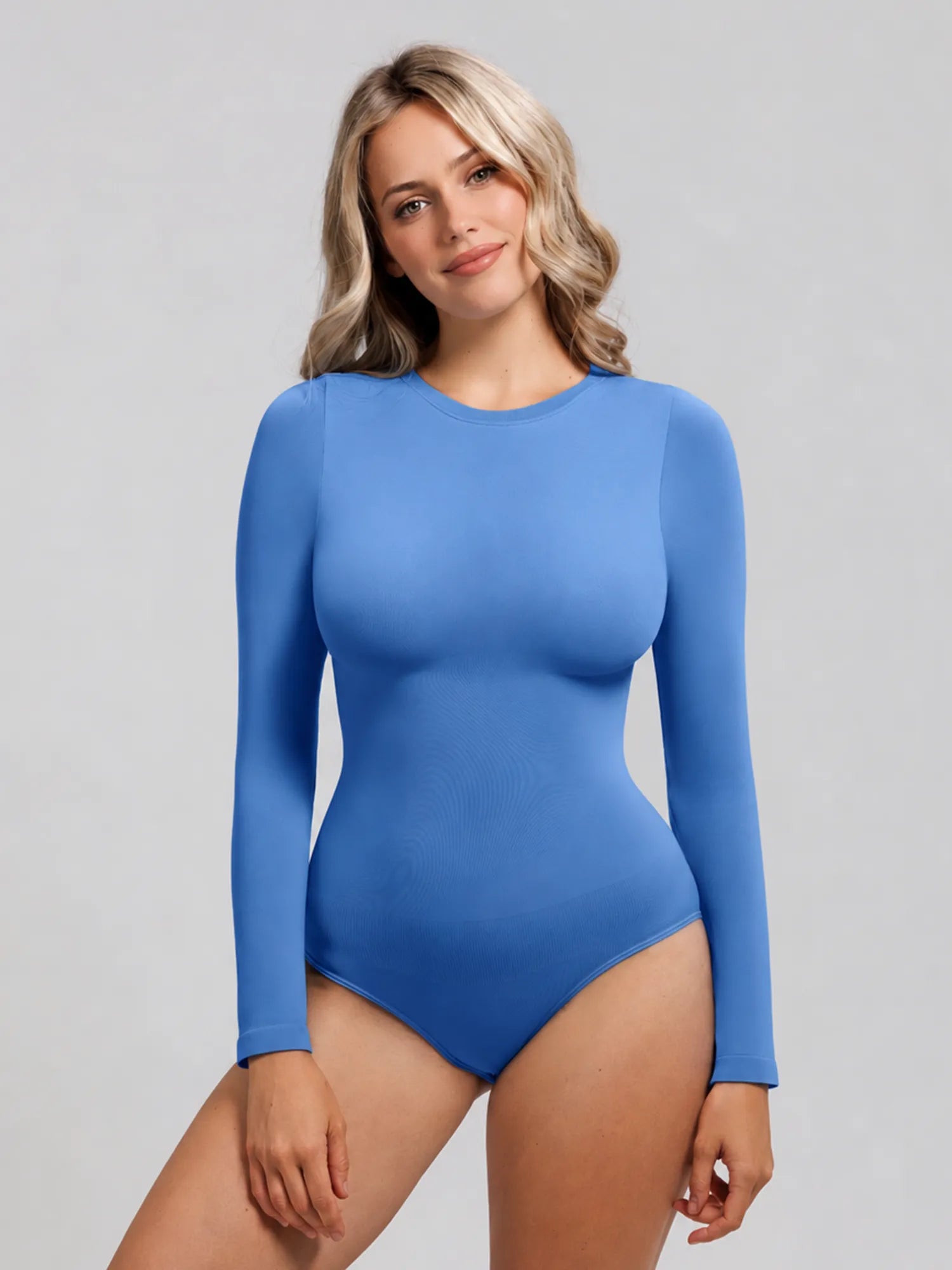
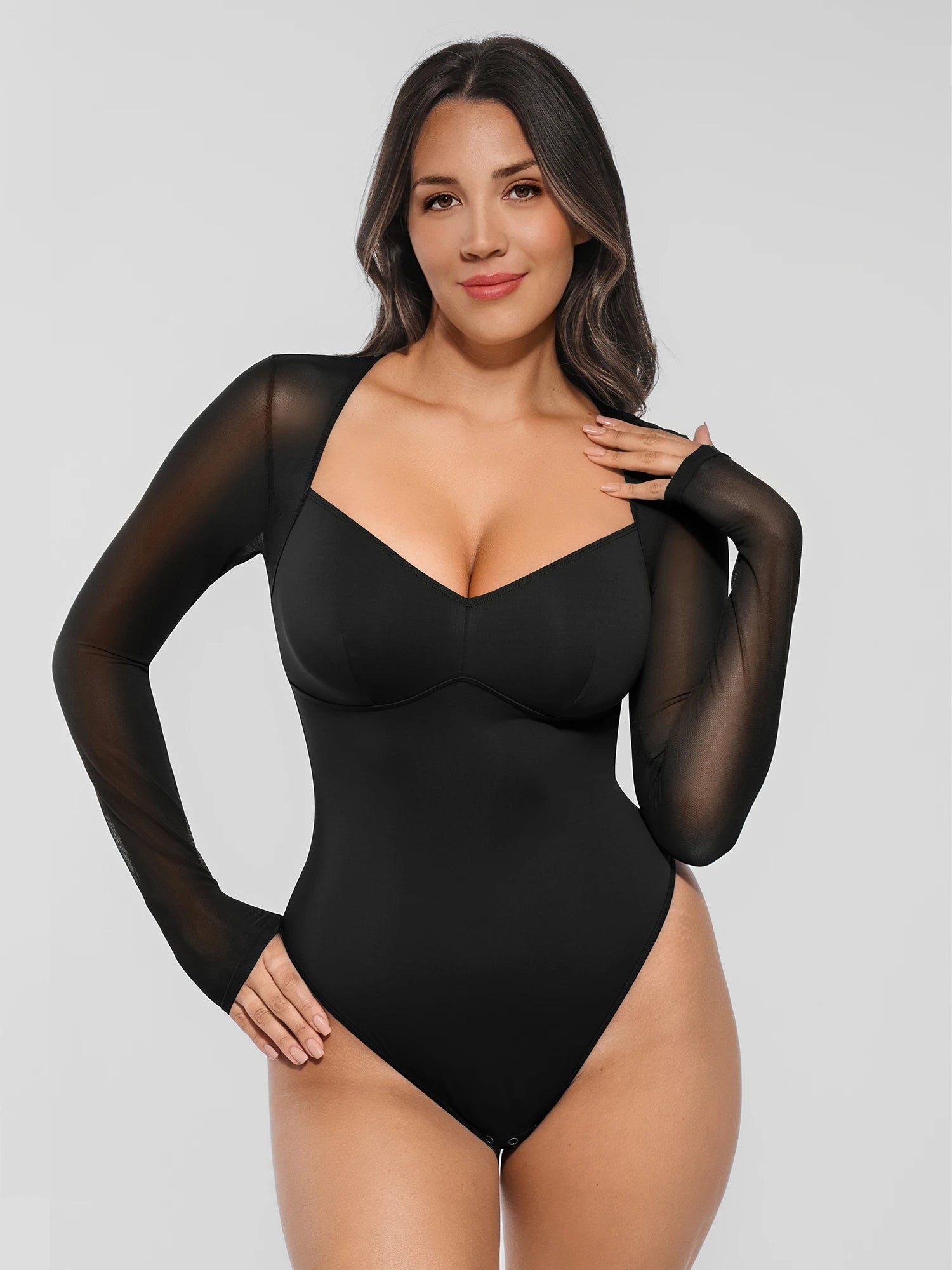
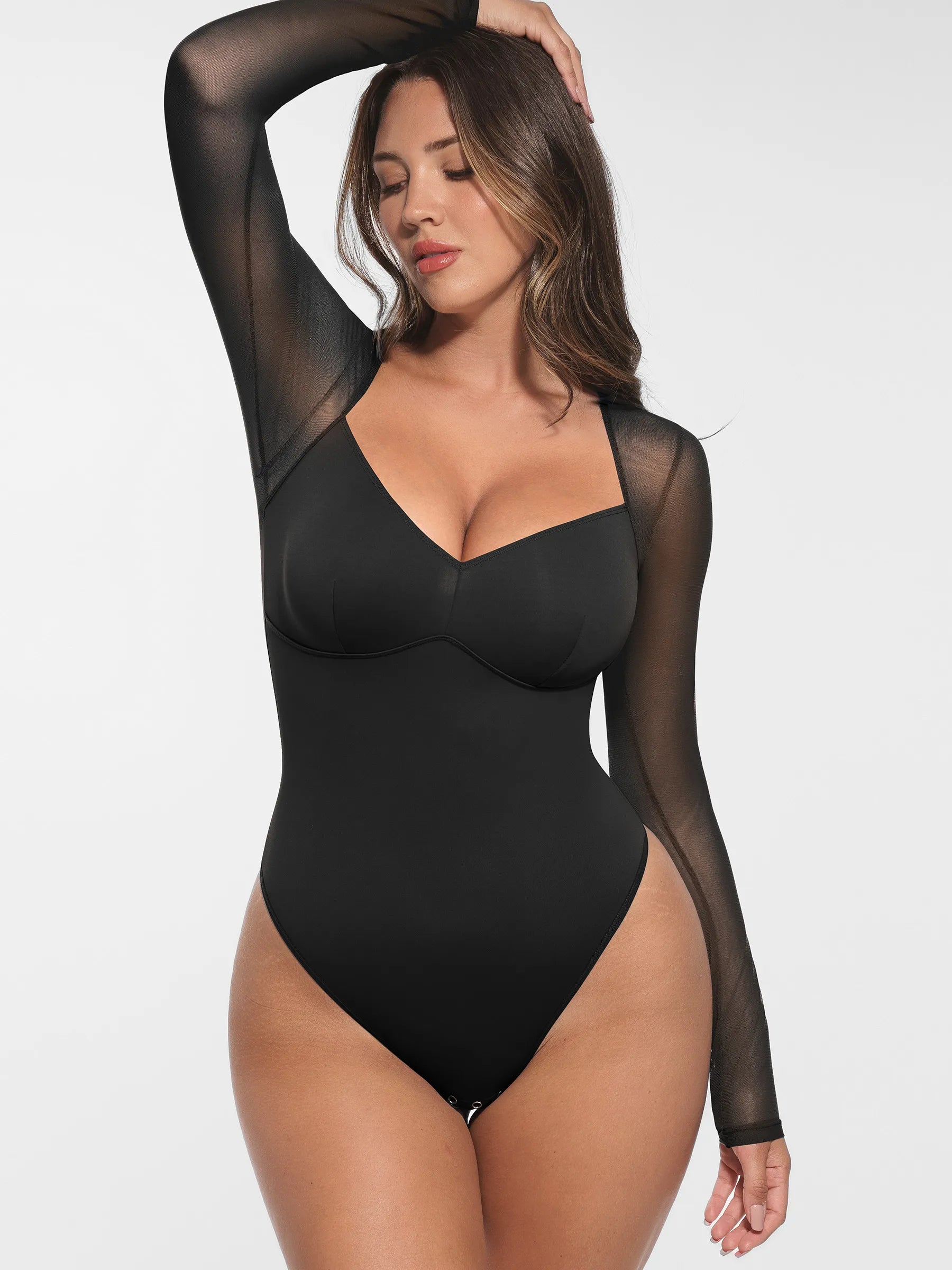
After considering size, compression, and outfit needs, the next step is finding a faja that supports more than one area without feeling overly complicated to style. A full-coverage design like the Feelingirl Full-Coverage Chest Faja Tummy Control Butt Lift Bodysuit works well for this purpose. It combines chest coverage, tummy control, waist smoothing, and butt-lifting support in one piece, making it easier to create a smooth line under fitted dresses, jumpsuits, and everyday outfits. Since this style offers strong compression, checking the size chart carefully is especially important. The right fit should feel secure and supportive, not tight or restrictive.
Step-By-Step Guide To Putting On A Faja
Putting on a faja can feel tricky at first. Take your time and avoid pulling too hard.
Start With The Loosest Setting
Begin with the loosest row of hooks or the most relaxed setting. This helps your body adjust and protects the garment from overstretching. Step into the faja carefully, pull it up slowly over the hips, adjust the lower section first, then bring the waist into place.
Fasten The Faja From Bottom To Top
For hook-and-eye styles, fasten from the bottom upward so the garment sits evenly. If your faja has hooks and a zipper, close the hooks first, then zip it. This reduces pressure on the zipper and improves support.
Adjust The Fit Before Wearing It Out
Check the waist, abdomen, hips, thighs, bust, and straps. The fabric should sit flat without folding, pinching, or digging. Sit down, walk, and bend slightly. If you cannot move normally, the faja is too tight or the style is wrong for your body.
Daily Wear Tips For Comfort And Safety
A faja should help you feel supported, not trapped. Comfort is part of a good fit.
Break-In Schedule For New Users
Do not wear a new faja all day right away. Start with 1 to 2 hours at home. If it feels comfortable, increase to 2 to 4 hours over the next few wears. Avoid sleeping in a faja unless your doctor specifically tells you to.
Bathroom And Outfit Tricks
Before wearing a faja to an event, test it with the full outfit. Sit, walk, and check the look in natural light. This helps you spot rolling, lines, or visible closures early.
Warning Signs Your Faja Is Too Tight
Remove or adjust your faja if you feel trouble breathing, sharp pain, numbness, tingling, dizziness, nausea, stomach discomfort, or deep marks that do not fade. Size up, reduce compression, or choose a different style.
Conclusions
A faja is a structured compression garment that smooths, shapes, and supports the body. It can help create a cleaner silhouette under clothing, especially around the tummy, waist, hips, thighs, and back. The right faja depends on your goal, measurements, outfit, and comfort level. Start with realistic compression, follow the size chart, and give yourself time to adjust.
Frequently Asked Questions
What Is The Purpose Of Wearing A Faja?
The purpose of wearing a faja is to smooth and support the body. Many people wear one to shape the waist, control the tummy, smooth the hips, or create a cleaner look under fitted clothing. Post-surgery fajas may also be used to support recovery, but they should be worn according to medical advice.
Does A Faja Flatten Your Stomach?
A faja can temporarily flatten the appearance of your stomach while you are wearing it. It compresses and smooths the tummy area so clothing fits more evenly. However, it does not remove belly fat or create permanent stomach flattening by itself.
Do Fajas Actually Change Your Shape?
Fajas can change how your body looks while you wear them, but they do not permanently reshape your body on their own. For long-term body changes, factors such as exercise, nutrition, posture, and body composition matter more. A faja is best viewed as a shaping and support garment.
How Many Hours A Day Do You Wear A Faja?
For beginners, start with 1 to 2 hours a day and increase slowly if the faja feels comfortable. Many people wear a faja for a few hours during the day or for special occasions. Avoid wearing it for too long if you feel pain, numbness, breathing difficulty, or digestive discomfort.
What Is The Difference Between A Waist Trainer And A Faja?
A waist trainer mainly focuses on compressing the waist and midsection. A faja usually covers more of the body and may shape the tummy, waist, hips, thighs, back, and butt. Fajas can also come in full body or shorts-style designs, while waist trainers are usually limited to the waist area.